
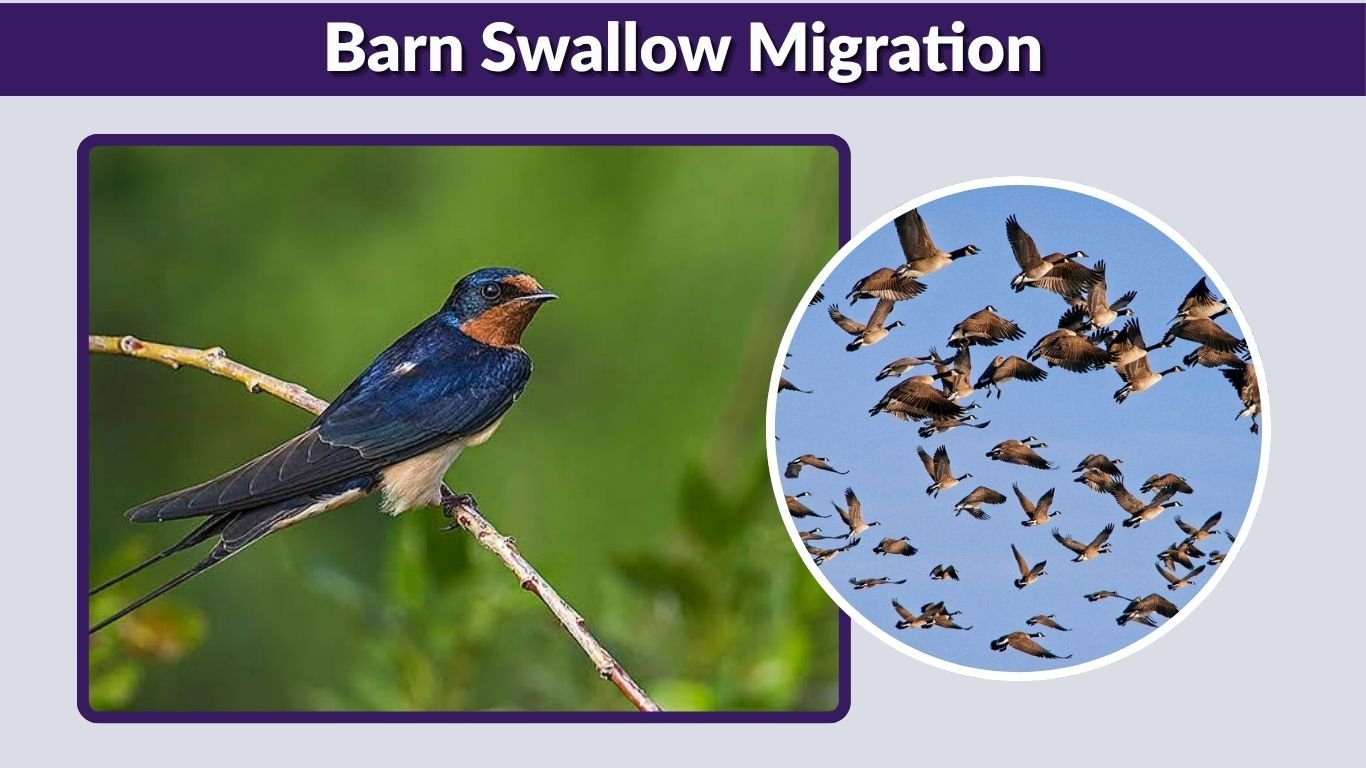
Barn swallow migration is a remarkable seasonal journey involving thousands of miles between breeding and wintering grounds. These small, agile birds travel across continents to escape cold weather and find abundant flying insects. Every year, barn swallows migrate from North America, Europe, and northern Asia toward warmer regions of South America, Africa, and southern Asia. Their migration timing, distance, and routes vary depending on geographic location and environmental conditions. Understanding these patterns helps birdwatchers recognize when barn swallows arrive, where they spend winter, and how they survive their long journeys.
Do Barn Swallows Migrate?
Yes, barn swallows (Hirundo rustica) are migratory birds that travel between seasonal breeding and wintering locations. Most populations breed in the Northern Hemisphere during spring and summer before moving south when temperatures fall.
Migration is primarily driven by seasonal food availability. Barn swallows feed almost entirely on flying insects, which become scarce during colder months. Traveling to warmer regions allows them to find food throughout the year.
Unlike many resident birds, barn swallows undertake long-distance journeys annually. Many return to familiar breeding locations and sometimes reuse their previous mud nests.
When Do Barn Swallows Migrate?
Barn swallow migration timing depends on latitude, climate, and breeding activity. In North America, spring migration generally occurs between March and May, while fall migration begins during summer and continues through autumn.
When Do Barn Swallows Migrate South?
Barn swallows usually begin traveling south after completing their breeding season. Some populations start migrating during July, while others remain until September or October.
Northern populations generally depart earlier than those living farther south. In Canada and the northern United States, substantial movements occur during August and September.
When Do Barn Swallows Migrate North?
Northward migration begins as temperatures rise and flying insects become more abundant.
Barn swallows may reach southern California and Texas as early as late January or February, although broader arrivals occur during March and April. Birds breeding in northern Canada and Alaska generally arrive later, sometimes during May.
Where Do Barn Swallows Migrate in Winter?
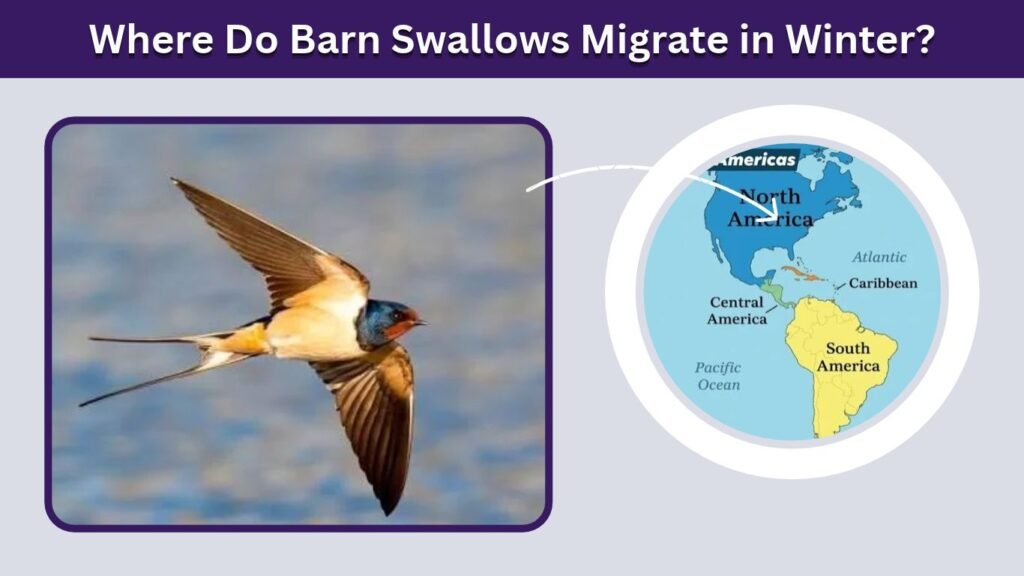
Barn swallows spend winter in warmer regions where flying insects remain available. Their winter destinations depend largely on the geographic location of their breeding populations.
North American Barn Swallows
Barn swallows breeding in Canada and the United States primarily migrate toward Central and South America.
Wintering destinations include Colombia, Brazil, Bolivia, Paraguay, and Argentina. Some populations travel farther south than others, depending on their breeding origins.
European Barn Swallows
European barn swallows generally migrate to sub-Saharan Africa. Birds breeding in Britain frequently travel to southern Africa, while other European populations winter across western, central, and eastern African regions.
Asian Barn Swallows
Barn swallows breeding across northern Asia migrate toward India, Southeast Asia, and neighboring tropical regions.
Different Asian populations follow distinct routes, with some wintering on Southeast Asian islands.
Barn Swallow Migration Routes and Maps
Barn swallow migration routes connect northern breeding territories with southern wintering habitats. Their journeys frequently cross national borders, mountains, coastal regions, and large stretches of open countryside.
Migration pathways vary according to geography, prevailing winds, and food availability.
Major Barn Swallow Migration Routes
- North American route: Swallows move south through the United States, Mexico, and Central America toward South America.
- European route: Birds cross the Mediterranean region and Sahara Desert before reaching African wintering grounds.
- Asian route: Northern Asian populations migrate toward India and Southeast Asia.
- Atlantic and Gulf crossings: Some North American individuals cross sections of the Gulf of Mexico or Caribbean during migration.
Barn Swallow Migration Map 2026
A barn swallow migration map helps illustrate seasonal distribution and movement patterns.
Cornell’s eBird platform provides sightings maps that include observations from 2026. Its weekly abundance maps illustrate typical seasonal movements using historical observations and statistical models.
These maps help identify migration patterns but should not be confused with live GPS tracking of individual birds.
How Far Do Barn Swallows Migrate?
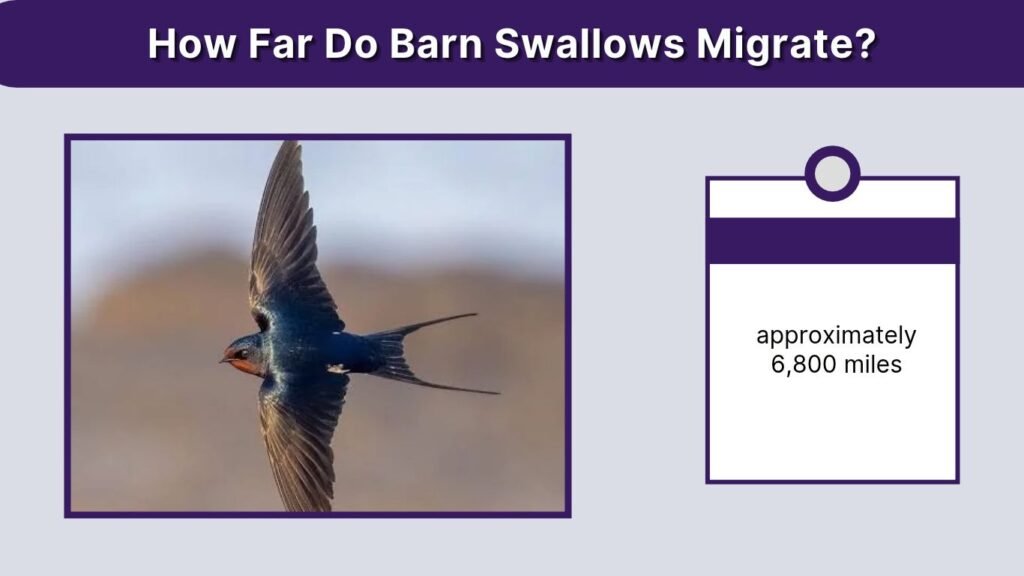
Barn swallows are impressive long-distance travelers. Some North American populations migrate more than 11,000 kilometers, or approximately 6,800 miles, between breeding and wintering locations.
Their actual migration distances depend on where they breed and spend winter. Birds nesting farther north may travel considerably greater distances than populations breeding in warmer regions.
How Far Do Barn Swallows Fly in a Day?
Migrating barn swallows can travel more than 200 miles in a day under favorable conditions.
However, their daily distances vary with wind, weather, food availability, and necessary resting periods. Unlike birds that rely entirely on stored energy, barn swallows can capture flying insects while traveling.
Do Barn Swallows Migrate During the Day?
Barn swallows are primarily daytime migrants. They frequently feed while flying and generally settle into communal roosts at night.
Wetlands, reedbeds, and other protected habitats provide important overnight resting locations.
Barn Swallow Migration in Texas, Canada, and the UK
Migration schedules differ between regions because birds travel different distances and experience different seasonal conditions. Understanding local patterns helps birdwatchers predict when swallows will appear or disappear.
Barn Swallow Migration Through Texas
Texas is an important migration region connecting North American breeding territories with southern wintering destinations.
Many barn swallows arrive during March and April. Southbound migration is noticeable during August and September, although birds may continue passing through during October.
Barn Swallow Migration in Canada
Barn swallows commonly reach southern Canadian breeding territories during April and May.
Their fall migration becomes noticeable during August and September as they depart toward Central and South America.
Barn Swallow Migration in the UK
Barn swallows typically return to Britain during April, although early individuals may arrive in March.
Many begin departing in September, with some remaining into October. British barn swallows generally spend winter in Africa.
How Do Barn Swallows Prepare for Migration?
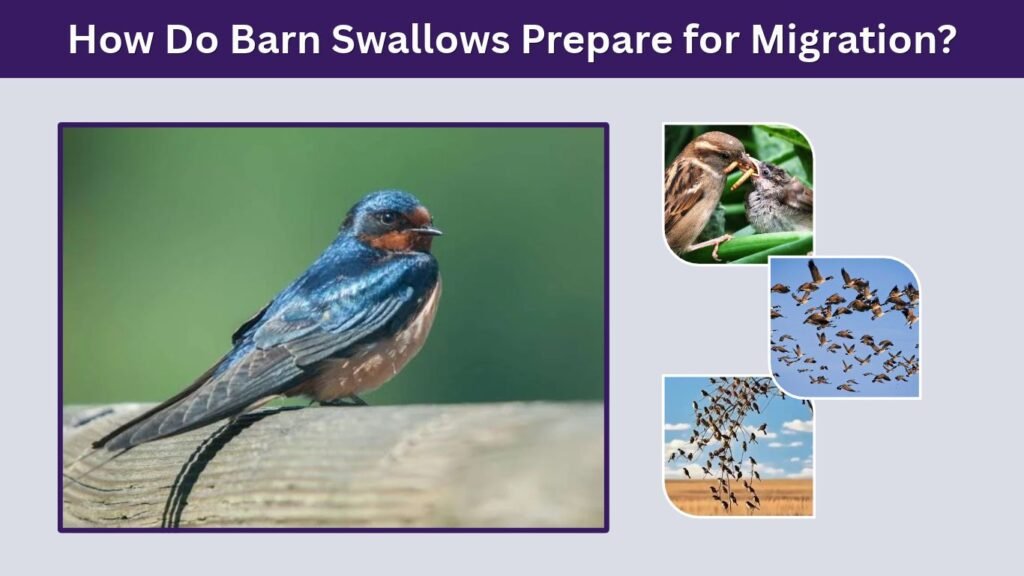
Before migration, barn swallows undergo behavioral changes that help them survive long-distance travel. Preparing for these journeys requires reliable food supplies, healthy flight feathers, and suitable resting locations.
Important Migration Preparations
- Increased feeding: Swallows consume flying insects to build energy reserves before departure.
- Flock gathering: Birds frequently assemble in large groups around fields, wetlands, and overhead wires.
- Feather maintenance: Healthy feathers improve flight efficiency during extended journeys.
- Communal roosting: Groups rest together in sheltered locations before continuing their travels.
- Seasonal orientation: Internal biological rhythms and environmental cues help guide departure timing.
Young barn swallows also undertake migration, often beginning their first major journey only weeks after becoming independent.
Threats Affecting Barn Swallow Migration
Barn swallows encounter several environmental challenges during their seasonal journeys. Their dependence on flying insects makes them particularly vulnerable to changing weather conditions and declining insect populations.
Habitat destruction can also reduce the availability of suitable feeding and resting locations along migration routes.
Major Migration Challenges
- Extreme weather: Storms and strong winds can delay migration or cause exhaustion.
- Food shortages: Reduced insect populations limit available energy.
- Habitat loss: Wetland destruction removes important stopover and roosting areas.
- Climate change: Changing temperatures may alter migration timing and insect availability.
- Agricultural intensification: Some farming practices reduce suitable feeding habitats.
Conserving insect-rich landscapes and wetlands benefits migrating barn swallows throughout their annual journeys.
FAQs
1. Do barn swallows migrate every year?
Yes, most barn swallows migrate annually between breeding and wintering grounds. Northern populations generally travel south during autumn and return during spring. Their migration schedules depend on local temperatures, breeding locations, and seasonal availability of flying insects.
2. Where do barn swallows from California migrate?
Barn swallows breeding in California generally migrate toward Mexico, Central America, and parts of South America. Their winter destinations vary between populations, with migration routes influenced by geography, weather, and the availability of suitable feeding habitats.
3. Do barn swallows migrate in groups?
Yes, barn swallows often migrate in loose groups and gather in large flocks at communal roosts. Hundreds or even thousands may assemble around wetlands and reedbeds before continuing their journeys, although flock sizes vary considerably.
4. Do barn swallows return to the same nest?
Many barn swallows return to familiar breeding territories after migration. Some reuse their previous mud nests when those structures remain intact and suitable. Others construct new nests nearby if their former nesting locations are damaged or unavailable.
5. How long does barn swallow migration take?
Barn swallow migration generally takes several weeks or longer, depending on distance, weather, and feeding conditions. These birds do not travel continuously. They often stop to rest and feed, allowing them to recover energy before continuing toward their seasonal destinations.