
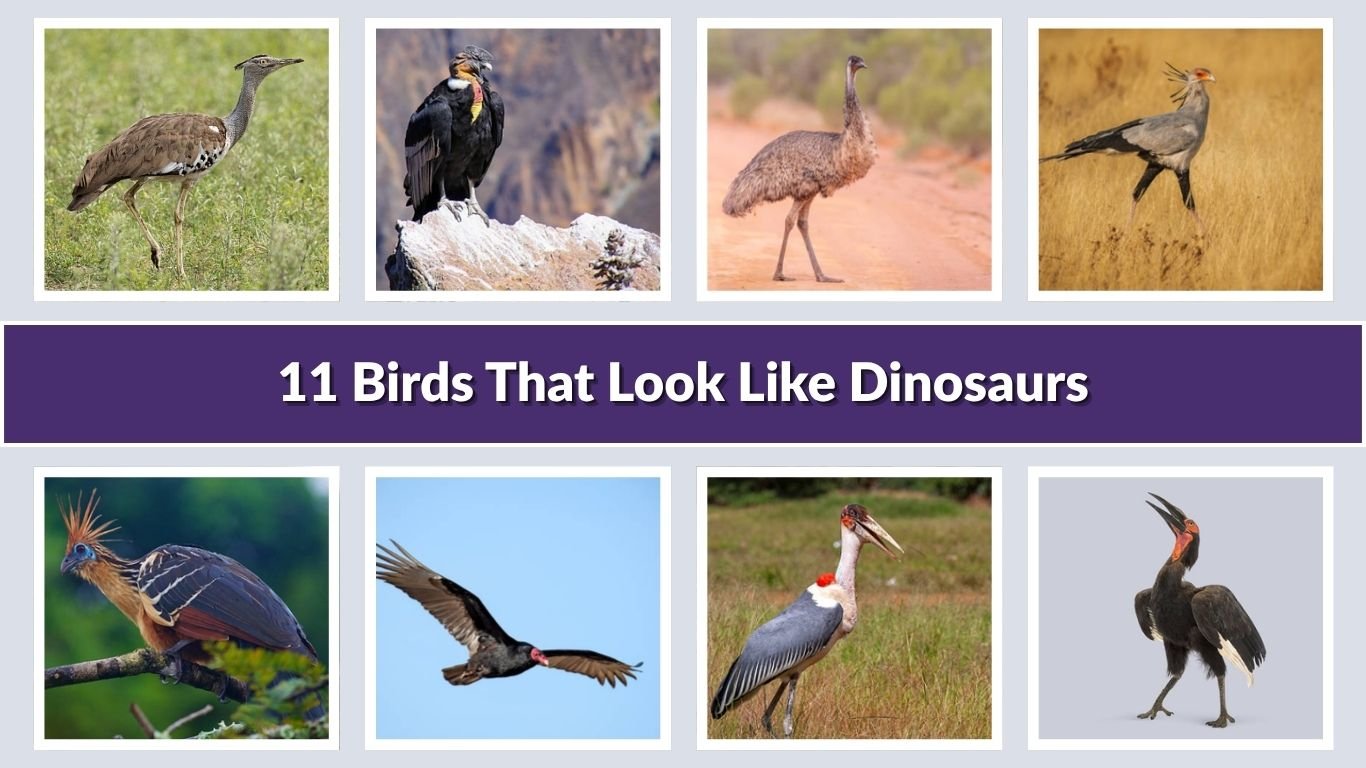
Birds are more closely related to dinosaurs than many people realize. In fact, modern birds evolved directly from ancient theropod dinosaurs, which explains why some species still look surprisingly prehistoric. From massive flightless runners to eerie scavengers with bald heads and powerful beaks, these birds carry features that seem frozen in time. Their size, posture, and behavior often remind us of creatures from millions of years ago. In this list, you’ll discover 11 fascinating birds whose appearance strongly resembles that of ancient dinosaurs.
1. Shoebill
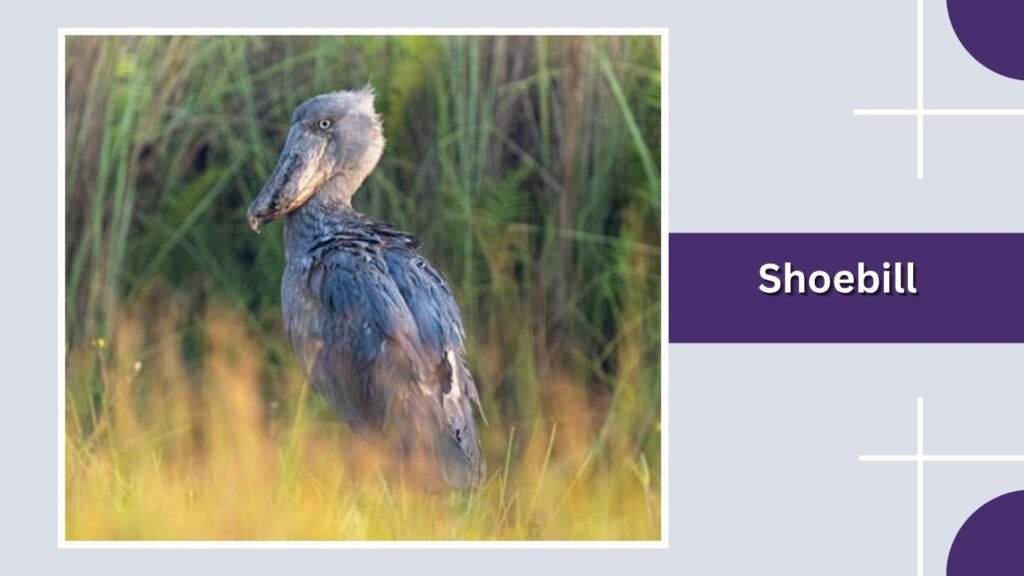
A large, prehistoric-looking bird native to Africa, the shoebill is famous for its massive shoe-shaped bill and dinosaur-like appearance. Its slow, deliberate movements and intense stare make it resemble ancient predators from millions of years ago.
Identification
- Huge, broad bill shaped like a shoe, with sharp edges for gripping prey
- Tall stature, reaching up to 5 feet (1.5 meters) in height
- Blue-gray feathers with a slightly dusty or powdery look
- Long, sturdy legs adapted for standing in shallow water
- Wide wingspan that can extend over 8 feet (2.4 meters)
- Large head compared to body size, enhancing its dinosaur-like profile
- Strong neck used to support its heavy bill
- Sharp, piercing eyes that give it an intense and intimidating expression
Habitat
Shoebills are primarily found in the freshwater wetlands and swamps of central and eastern Africa. Countries like South Sudan, Uganda, Rwanda, and Zambia are known for hosting these unique birds. They prefer remote, undisturbed marshlands with dense vegetation such as papyrus and reeds.
These environments provide ideal hunting grounds, as shallow waters allow shoebills to stand still while scanning for prey. The dense plant life also offers protection and nesting areas. Shoebills are generally solitary and avoid human-populated regions, which is why they are rarely seen despite their large size.
Comparison
The shoebill is often compared to prehistoric dinosaurs because of its massive, rugged build and slow, calculated behavior. Its large bill resembles the snout of some ancient reptiles, and its motionless hunting style gives it an almost statue-like presence.
Unlike modern birds that are quick and lightweight, the shoebill appears heavy and grounded. Its deliberate movements and powerful strikes resemble how we imagine ancient predators hunting. This combination of physical features and behavior makes it one of the most dinosaur-like birds alive today.
Diet
Shoebills are carnivorous and highly skilled hunters. Their primary diet consists of large fish such as lungfish, tilapia, and catfish. They are known for their patience, often standing motionless for long periods before launching a sudden, powerful attack.
In addition to fish, shoebills also eat frogs, water snakes, lizards, and even small crocodiles. Occasionally, they may consume small mammals or birds if the opportunity arises. Their strong, sharp-edged bill allows them to grasp, crush, and swallow prey efficiently, making them formidable predators in their swamp habitat.
2. Cassowary
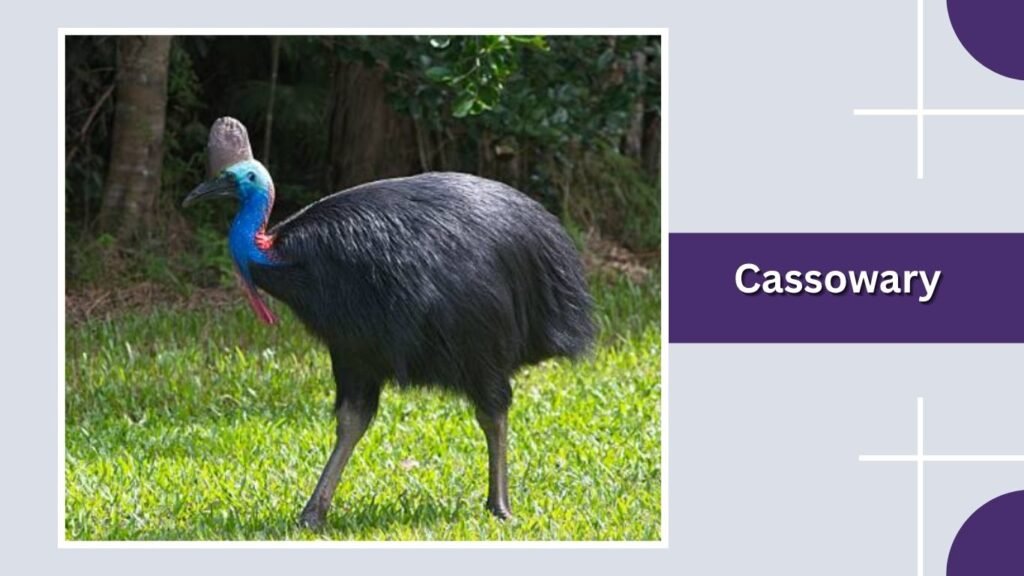
The cassowary is a large, flightless bird native to the tropical forests of New Guinea and northern Australia. With its helmet-like casque, powerful legs, and striking appearance, it is often considered one of the most dinosaur-like birds alive today.
Identification
- Large, heavy body with black, coarse feathers that resemble fur
- Distinctive casque (helmet-like structure) on top of the head
- Bright blue and red skin on the neck
- Strong, muscular legs built for running and kicking
- Three-toed feet with a long, dagger-like claw on each inner toe
- Height up to 6 feet (1.8 meters), making it one of the tallest birds
- Small wings that are not used for flight
- Sharp, alert eyes and a serious, intimidating expression
Habitat
Cassowaries inhabit dense tropical rainforests, swamps, and mangrove areas in New Guinea, Indonesia, and northeastern Australia. They prefer thick vegetation where they can move quietly and remain hidden from threats.
These birds are mostly solitary and territorial, often staying within a defined area. The dense forest provides both food sources and protection. Cassowaries are also known to travel along forest paths and may venture near human settlements if food is available.
Comparison
Cassowaries are often compared to dinosaurs due to their large size, powerful legs, and intimidating features. Their casque resembles the crests seen on some prehistoric reptiles, and their thick, clawed feet give them a raptor-like appearance.
Unlike most modern birds, cassowaries rely more on strength than flight. Their ability to deliver strong kicks with sharp claws makes them resemble ancient ground predators. Their overall build and behavior strongly reflect what many imagine small to medium-sized dinosaurs looked like.
Diet
Cassowaries are primarily frugivorous, meaning they mainly eat fruits. They play a crucial role in their ecosystem by spreading seeds through their droppings, helping maintain forest biodiversity.
In addition to fruits, they also consume fungi, insects, small animals, and occasionally carrion. Their diet is varied depending on availability, but fruit remains their main food source. Their strong digestive system allows them to process large fruits that many other animals cannot handle.
3. Ostrich
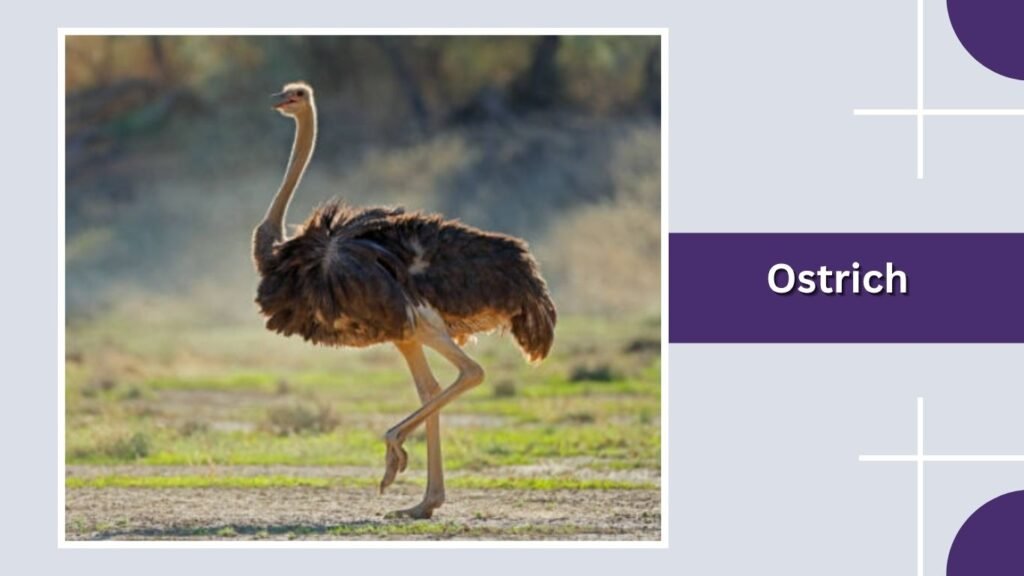
The ostrich is the largest living bird on Earth and is native to the open landscapes of Africa. With its long neck, powerful legs, and inability to fly, the ostrich has a body structure that strongly resembles ancient theropod dinosaurs. Its speed and size make it one of the most impressive modern birds.
Identification
- Largest bird in the world, reaching up to 9 feet (2.7 meters) in height
- Long, bare neck and small head relative to its massive body
- Large eyes (the biggest of any land animal), giving excellent vision
- Black and white feathers in males; females are mostly brown-gray
- Long, extremely powerful legs adapted for running
- Two-toed feet (unique among birds), with one large, strong toe
- Small, flightless wings used for balance and display
- Broad, rounded body with a slightly forward-leaning posture
Habitat
Ostriches are commonly found in savannas, grasslands, and semi-arid regions across Africa. They thrive in open environments where they can use their speed and vision to detect predators from a distance. Countries like Kenya, Tanzania, Namibia, and South Africa are well-known for ostrich populations.
These birds prefer areas with low vegetation, allowing them to run freely at high speeds. Ostriches are highly adaptable and can survive in harsh conditions, including deserts, as long as water and food are available. They often live in small groups, which helps them stay alert to danger.
Comparison
Ostriches are often compared to dinosaurs due to their long neck, bipedal stance, and powerful hind legs. Their body structure is similar to that of small to medium-sized theropod dinosaurs like Velociraptor or Gallimimus.
Unlike flying birds, ostriches rely entirely on running, reaching speeds up to 70 km/h (43 mph). Their strong legs can also deliver dangerous kicks, much like how dinosaurs are believed to have defended themselves. Their overall posture and movement make them look like living fossils from the prehistoric era.
Diet
Ostriches are omnivores, meaning they eat both plant and animal matter. Their diet mainly consists of grasses, seeds, leaves, and fruits. However, they also consume insects, small reptiles, and other tiny creatures when available.
Since they do not have teeth, ostriches swallow small stones and sand to help grind food in their gizzard. They can go without water for several days by getting moisture from their food. Their flexible diet helps them survive in a wide range of environments.
4. Emu
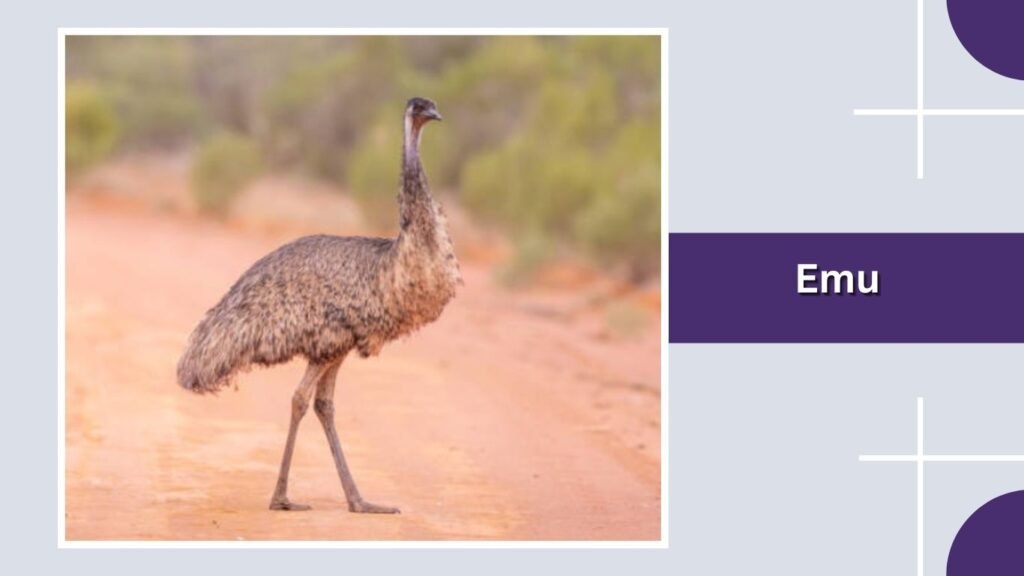
The emu is the second-largest living bird, native to Australia, and is well known for its shaggy feathers and strong, fast-running legs. Its tall frame, long neck, and flightless nature give it a striking resemblance to ancient dinosaurs, especially small theropods.
Identification
- Tall bird reaching up to 6 feet (1.8 meters) in height
- Long neck with a small head
- Soft, shaggy brown feathers that appear hair-like
- Strong, long legs built for speed and endurance
- Three-toed feet with sharp claws
- Small, reduced wings hidden beneath feathers
- Large, dark eyes adapted for wide vision
- Lightweight but sturdy body structure
Habitat
Emus are widely distributed across Australia, inhabiting a variety of environments including grasslands, savannas, forests, and semi-arid regions. They are highly adaptable and can survive in both dry and moderately wet climates.
They prefer open areas where they can move freely and spot predators easily. Emus are nomadic, meaning they travel long distances in search of food and water, especially during seasonal changes. They tend to avoid dense forests but may pass through them when migrating.
Comparison
Emus are often compared to dinosaurs due to their upright posture, long legs, and bipedal movement. Their body structure closely resembles that of small theropod dinosaurs, which also walked on two legs and had long necks.
Unlike many modern birds, emus rely on running rather than flying. They can reach speeds of up to 50 km/h (31 mph), using their powerful legs to escape danger. Their simple, streamlined body and steady gait make them look like a living example of prehistoric bird evolution.
Diet
Emus are omnivores with a flexible diet that changes based on availability. They primarily eat plants such as seeds, grasses, fruits, and leaves. However, they also consume insects like beetles, ants, and caterpillars.
Like ostriches, emus swallow small stones to help grind food in their digestive system. They can go for days without food but will eat large amounts when resources are abundant. Their varied diet allows them to survive in Australia’s often unpredictable environment.
5. Southern Ground Hornbill
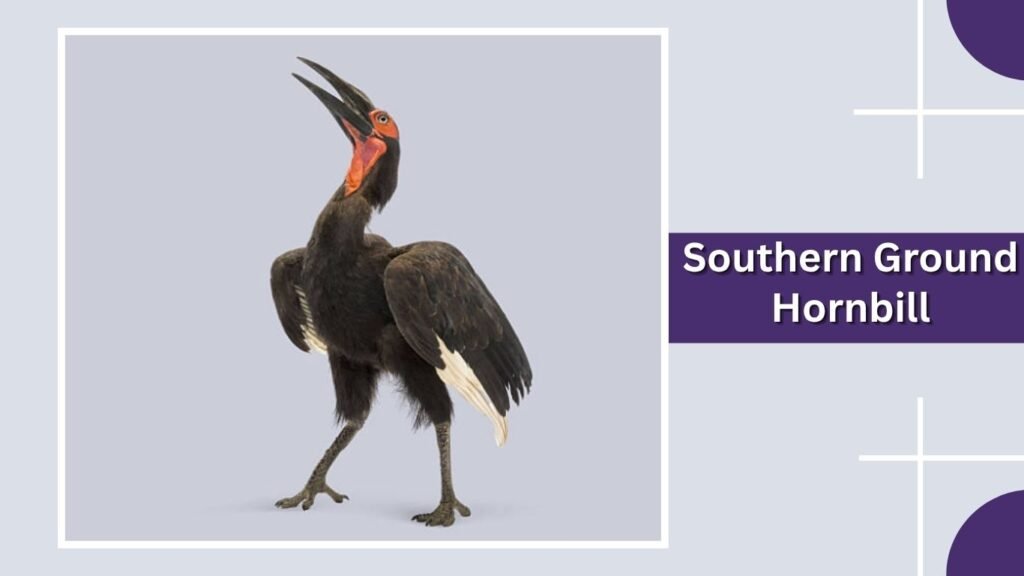
The southern ground hornbill is a large, striking bird found in sub-Saharan Africa. Known for its deep booming calls and bold appearance, it has a heavy bill, long legs, and a slow, deliberate walking style that gives it a distinctly dinosaur-like presence.
Identification
- Large black body with glossy feathers
- Bright red bare skin on the face and throat (especially in adults)
- Massive, curved bill with a casque on top
- Long, strong legs adapted for walking on the ground
- Broad wings, though it spends most time walking rather than flying
- Height up to 4 feet (1.2 meters)
- Prominent eyelashes, giving it a unique facial appearance
- Deep, resonant call that can be heard over long distances
Habitat
Southern ground hornbills are found in open woodlands, savannas, and grasslands across countries like South Africa, Botswana, Kenya, and Tanzania. They prefer areas with scattered trees and open ground, which allow them to walk and hunt easily.
These birds are highly social and often live in small family groups. They require large territories and are known to patrol their area regularly. Tall trees are important for nesting and roosting, while open land provides space for foraging.
Comparison
This bird is often compared to dinosaurs due to its heavy build, long legs, and ground-dwelling lifestyle. Its slow, purposeful walk and large bill resemble features seen in prehistoric creatures.
Unlike many birds that rely on flight, the southern ground hornbill spends most of its time on the ground, much like ancient theropods. Its strong legs and commanding presence give it a primitive, almost reptilian look that reinforces its dinosaur-like reputation.
Diet
Southern ground hornbills are carnivorous and opportunistic feeders. Their diet includes insects, snakes, lizards, frogs, and small mammals. They are known to hunt actively, using their strong bill to capture and kill prey.
They may also eat eggs and even young birds if the opportunity arises. By foraging on the ground in groups, they can cover large areas and find a variety of food sources, making them effective hunters in their environment.
6. Secretary Bird
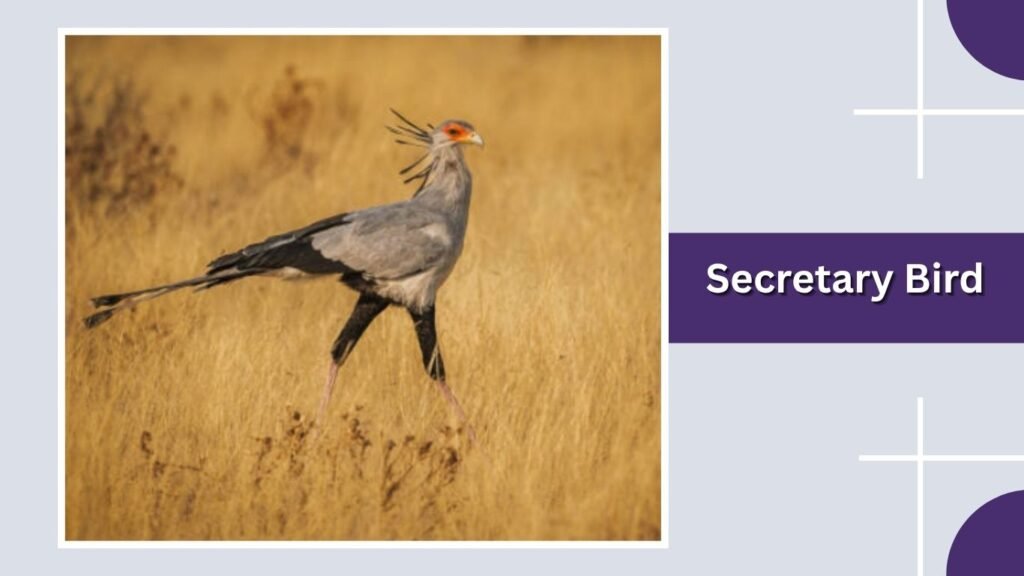
The secretary bird is a unique, long-legged bird of prey found in Africa. With its tall, crane-like body and eagle-like head, it has a striking appearance that resembles certain dinosaur species. Its method of hunting on foot further enhances its prehistoric look.
Identification
- Tall bird standing up to 4.5 feet (1.3 meters)
- Long, slender legs designed for walking and stomping prey
- Eagle-like head with a hooked beak
- Distinctive crest of long, black feathers at the back of the head
- Mostly gray body with black wings and tail feathers
- Bare, reddish-orange facial skin
- Strong feet used for delivering powerful kicks
- Long tail with elongated central feathers
Habitat
Secretary birds are commonly found in open grasslands, savannas, and lightly wooded areas across sub-Saharan Africa. They prefer wide, open spaces where they can walk freely and spot prey from a distance.
Unlike many birds of prey that soar frequently, secretary birds spend most of their time on the ground. They build nests in tall trees or shrubs but hunt primarily on foot. These birds are often seen alone or in pairs, covering large areas while searching for food.
Comparison
The secretary bird is often compared to dinosaurs because of its upright posture, long legs, and ground-based hunting style. Its body resembles small theropod dinosaurs that walked on two legs and hunted actively.
What makes it especially dinosaur-like is its hunting technique—stalking prey and then delivering rapid, forceful kicks. This behavior is similar to how some prehistoric predators are believed to have hunted. Its combination of bird and reptile-like traits gives it a truly ancient appearance.
Diet
Secretary birds are carnivorous and specialize in hunting ground-dwelling prey. Their diet mainly includes snakes, lizards, rodents, insects, and small birds. They are especially famous for their ability to kill venomous snakes.
Using their powerful legs, they stomp on prey with great speed and precision. Once the prey is subdued, they use their sharp beak to eat it. Their hunting style is highly effective and makes them one of the most unique predators among birds.
7. Marabou Stork
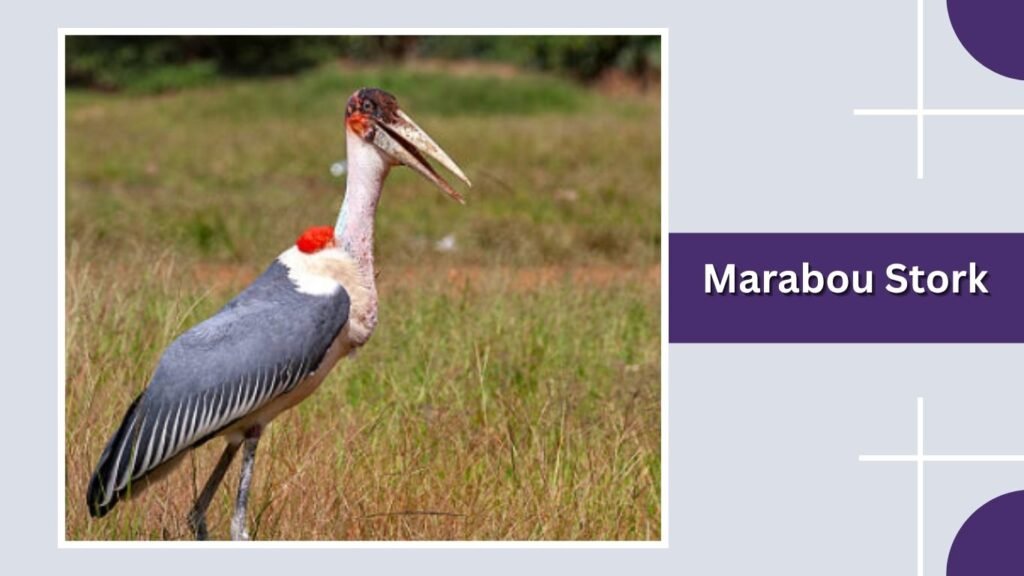
The marabou stork is a large, scavenging bird found across Africa, known for its bald head, massive bill, and hunched posture. Its eerie, almost prehistoric appearance makes it one of the most dinosaur-like birds, often resembling ancient carrion-feeding creatures.
Identification
- Very large bird with a wingspan up to 10.5 feet (3.2 meters)
- Bald, pinkish head and neck, similar to vultures
- Long, thick, slightly curved bill
- Distinct throat pouch (gular sac) hanging from the neck
- Dark wings with a white underside
- Long, stilt-like legs adapted for walking and wading
- Hunched back posture giving a “vulture-like” silhouette
- Sparse feathers on head to stay clean while feeding on carcasses
Habitat
Marabou storks are commonly found in savannas, wetlands, riverbanks, and even urban areas across sub-Saharan Africa. They are highly adaptable and often gather near water sources, garbage dumps, and slaughterhouses where food is plentiful.
Unlike many birds, they are comfortable around human settlements due to easy access to waste and scraps. They also roost in large trees or cliffs, often in groups. Their ability to thrive in both wild and urban environments makes them one of the most widespread large birds in Africa.
Comparison
The marabou stork strongly resembles prehistoric scavengers due to its bald head, heavy bill, and intimidating size. Its hunched posture and slow, deliberate movements give it a reptilian, almost dinosaur-like presence.
Much like ancient carrion-eating dinosaurs, it feeds on dead animals and uses its powerful bill to tear flesh. Its appearance is often considered unattractive, but these features are highly specialized for survival, making it an excellent modern example of evolution shaping function over form.
Diet
Marabou storks are opportunistic feeders with a highly varied diet. They primarily eat carrion (dead animals), acting as natural cleaners of the environment. However, they are not limited to scavenging.
They also consume fish, frogs, insects, small mammals, and even other birds. In urban areas, they often feed on garbage and food waste. Their strong digestive system allows them to handle decaying meat safely, making them an important part of the ecosystem by reducing waste and preventing disease spread.
8. Turkey Vulture
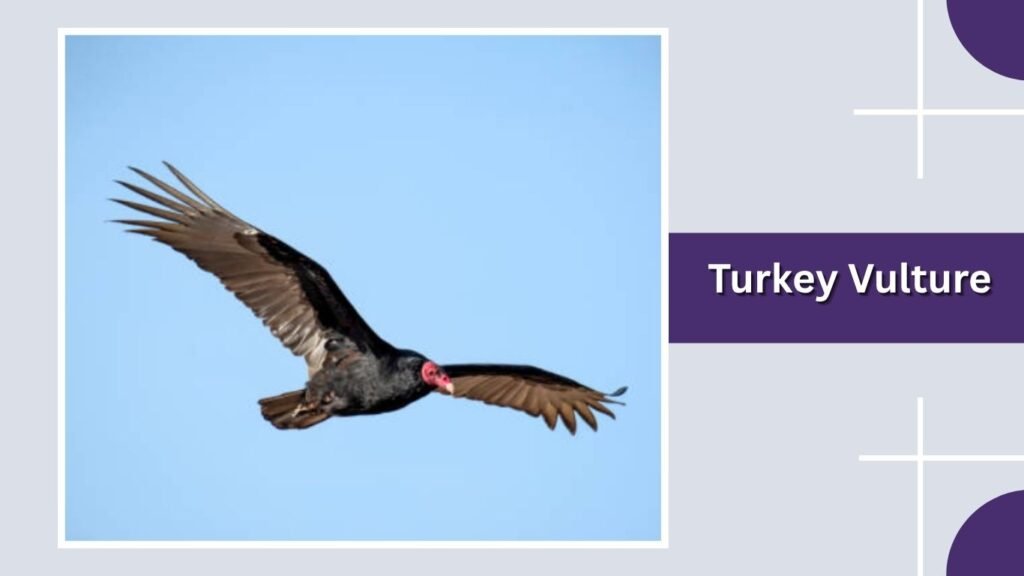
The turkey vulture is a large scavenging bird found across the Americas, known for its bald red head and soaring flight. Its appearance and feeding habits closely resemble those of ancient dinosaur-like scavengers, giving it a primitive and eerie look.
Identification
- Medium to large bird with a wingspan up to 6 feet (1.8 meters)
- Bald, red head resembling a turkey (hence the name)
- Dark brown to black body feathers
- Long, broad wings with lighter undersides
- Slightly hunched posture when perched
- Sharp, hooked beak designed for tearing flesh
- Keen sense of smell (rare among birds)
- Wobbly, teetering flight pattern when soaring
Habitat
Turkey vultures are widely distributed across North and South America. They can be found in a variety of habitats, including forests, grasslands, deserts, and even suburban areas. They prefer open spaces for soaring but also need nearby trees or cliffs for roosting.
These birds are highly adaptable and can survive in both wild and human-influenced environments. They often gather in large groups, especially near food sources like roadkill or carcasses. Their ability to travel long distances allows them to cover vast areas in search of food.
Comparison
Turkey vultures resemble ancient scavenging dinosaurs due to their bald heads, dark plumage, and feeding behavior. Their featherless head is similar to what scientists believe some prehistoric scavengers may have had to avoid contamination while feeding.
Their slow, gliding flight and reliance on thermal air currents give them a ghost-like presence in the sky. Like ancient creatures, they play a crucial ecological role by cleaning up dead animals and preventing the spread of disease.
Diet
Turkey vultures are strict scavengers, meaning they feed almost entirely on carrion. They rarely hunt live prey and instead rely on their excellent sense of smell to locate dead animals, even from great distances.
They consume a wide range of carcasses, from small rodents to large mammals. Their digestive system is extremely strong, allowing them to safely eat decaying meat filled with bacteria. This makes them essential to ecosystems, as they help recycle nutrients and keep environments clean.
9. Andean Condor
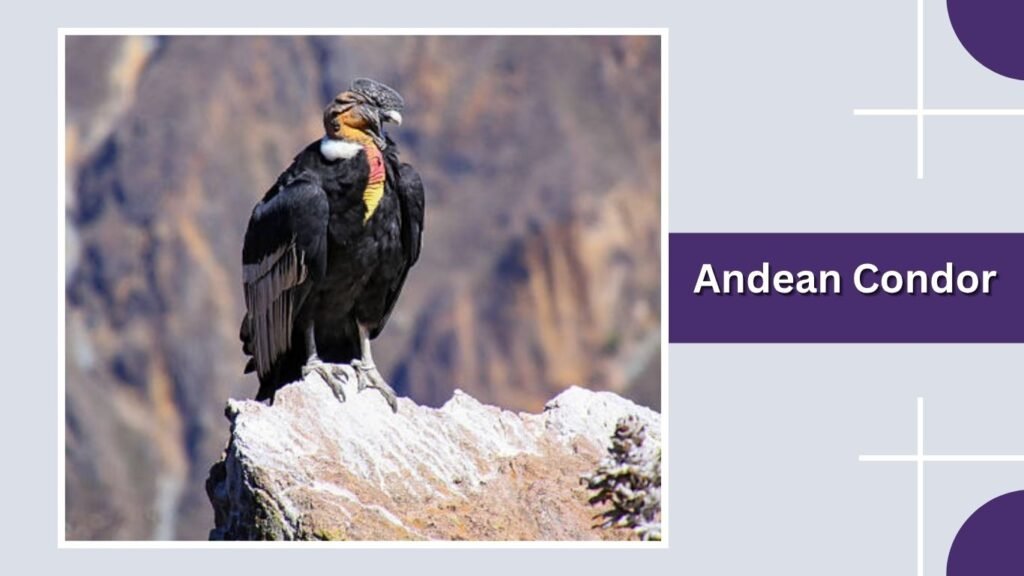
The Andean condor is one of the largest flying birds in the world, found in South America. With its विशाल wingspan, bald head, and powerful build, it has a strong resemblance to prehistoric flying reptiles and scavenging dinosaurs.
Identification
- Massive wingspan reaching up to 10–11 feet (3–3.3 meters)
- Black body with white collar-like feathers around the neck
- Bald head, often reddish or pinkish in color
- Large, hooked beak for tearing flesh
- Broad wings adapted for soaring long distances
- Males have a noticeable comb (crest) on the head
- Strong, heavy body with a commanding presence
- Long flight feathers giving a finger-like wing shape in flight
Habitat
Andean condors are native to the Andes Mountains and surrounding regions of South America, including countries like Chile, Peru, Argentina, and Colombia. They are commonly found in mountainous areas, cliffs, and open grasslands.
They prefer high altitudes where strong air currents help them soar with minimal effort. Condors often nest on inaccessible cliff ledges, which provide safety from predators. They can travel hundreds of kilometers in a single day while searching for food, using thermal currents to glide efficiently.
Comparison
The Andean condor is often compared to ancient flying creatures due to its enormous wingspan and slow, powerful flight. Its bald head and scavenging behavior also resemble prehistoric carrion-eaters.
Unlike many modern birds, condors rely heavily on soaring rather than flapping. Their presence in the sky, gliding silently over vast landscapes, gives them an ancient and majestic appearance. They are often seen as living reminders of Earth’s prehistoric past.
Diet
Andean condors are scavengers that primarily feed on carrion. They consume the remains of large animals such as deer, cattle, and other mammals. Their strong beak allows them to tear through tough skin and muscle.
They rely on keen eyesight to locate food from great heights. Condors may travel long distances without eating, but when they find food, they can consume large amounts at once. Their role as scavengers helps maintain ecosystem health by cleaning up dead animals.
10. Hoatzin
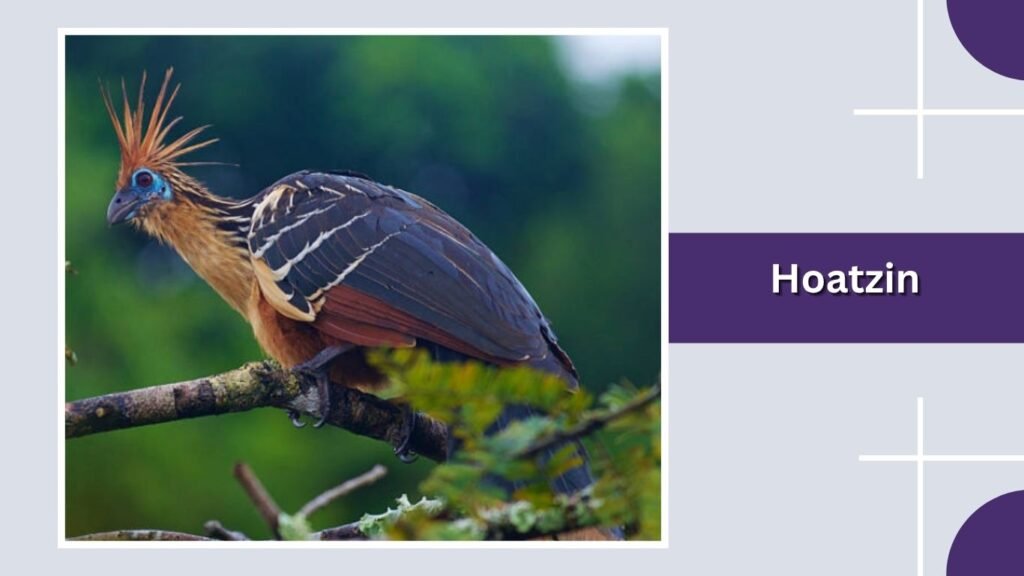
The hoatzin is a unique bird found in South America, often called a “living fossil” due to its primitive features. With its spiky crest, blue face, and unusual digestive system, it has a strange, almost dinosaur-like appearance unlike any other modern bird.
Identification
- Medium-sized bird with a long neck and small head
- Distinct spiky crest on top of the head
- Bright blue facial skin with red eyes
- Brown body with white streaks on wings and back
- Long tail used for balance
- Weak wings, making it a poor flyer
- Chicks have clawed wings (a rare, primitive trait)
- Slightly hunched posture resembling ancient birds
Habitat
Hoatzins are found in the Amazon and Orinoco river basins of South America, including countries like Brazil, Venezuela, Colombia, and Peru. They live in swampy forests, mangroves, and riverbanks with dense vegetation.
They prefer areas near water, as they are not strong fliers and rely on climbing through branches. Hoatzins are social birds and are often seen in small groups. Their habitat provides both food and safety, allowing them to move easily among trees and escape predators by dropping into water if needed.
Comparison
The hoatzin is often compared to early bird ancestors and dinosaurs due to its primitive characteristics. The most notable feature is that young hoatzins have claws on their wings, similar to ancient transitional species like Archaeopteryx.
Its digestive system also resembles that of herbivorous mammals, which is unusual for birds. Combined with its awkward flight and reptile-like posture, the hoatzin is considered one of the closest modern examples of early bird evolution.
Diet
Hoatzins are herbivores, feeding mainly on leaves, buds, and fruits. Unlike most birds, they use a fermentation process in their enlarged crop to digest plant material, similar to how cows digest food.
This unique digestive system produces a strong odor, often compared to manure, which has earned them the nickname “stinkbird.” Despite this, their specialized diet allows them to thrive in environments where leafy vegetation is abundant.
11. Kori Bustard
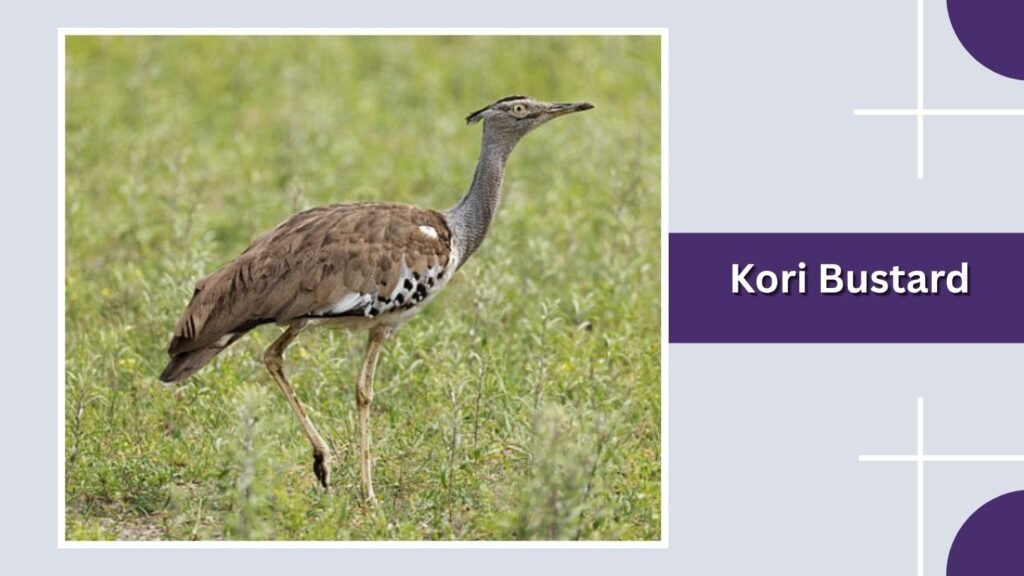
The kori bustard is one of the heaviest flying birds in the world, native to Africa. With its large body, long legs, and ground-dwelling behavior, it has a strong resemblance to small dinosaur species that once roamed open landscapes.
Identification
- Very large, heavy bird weighing up to 18 kg (40 lbs)
- Long neck and relatively small head
- Brown and gray mottled feathers for camouflage
- Strong, long legs adapted for walking
- Broad wings, though flight is rare due to heavy body
- Thick, sturdy bill
- Upright posture with a slightly forward-leaning stance
- Males are significantly larger than females
Habitat
Kori bustards are found in open savannas, grasslands, and semi-arid regions across eastern and southern Africa. Countries such as Botswana, Namibia, Kenya, and Tanzania are common habitats for these birds.
They prefer wide, open areas with low vegetation, which allows them to walk freely and spot predators easily. Kori bustards spend most of their time on the ground and rarely fly unless necessary. Their natural camouflage helps them blend into their surroundings and avoid danger.
Comparison
The kori bustard is often compared to dinosaurs due to its large, bulky body and terrestrial lifestyle. Its long legs and upright posture resemble those of ground-dwelling theropod dinosaurs.
Unlike many birds, it relies more on walking than flying, giving it a primitive and heavy appearance. Its slow movements and massive size make it look like a creature from a much earlier time in Earth’s history, reinforcing its dinosaur-like image.
Diet
Kori bustards are omnivores with a varied diet. They eat insects such as grasshoppers and beetles, as well as small reptiles, rodents, and birds. They also consume seeds, berries, and other plant material.
Their diet changes depending on availability, making them highly adaptable. By feeding on both plants and animals, they play an important role in maintaining ecological balance in their habitat.
FAQs
Why do some birds look like dinosaurs?
Birds are actually direct descendants of theropod dinosaurs, which lived millions of years ago. Over time, they evolved feathers and the ability to fly, but many still retain physical traits like long legs, sharp beaks, and upright posture that resemble their ancient ancestors.
Which bird looks most like a dinosaur?
The shoebill and cassowary are often considered the most dinosaur-like birds. Their large size, powerful build, and intimidating features closely resemble prehistoric predators, making them appear almost unchanged from ancient times.
Are dinosaur-like birds dangerous to humans?
Most of these birds are not dangerous unless provoked. However, species like cassowaries and ostriches can be aggressive and use their strong legs to defend themselves. It’s best to observe them from a safe distance in their natural habitat.
Do these birds have any special survival traits?
Yes, many of these birds have unique adaptations. For example, vultures have strong digestive systems to eat decaying meat, while hoatzins use fermentation to digest leaves. These traits help them survive in environments where other animals might struggle.
Are these birds related to modern flying birds?
Yes, all modern birds share a common ancestor with dinosaurs. While some birds evolved for flight, others like ostriches and emus became flightless. Despite differences, they are all part of the same evolutionary lineage.
