
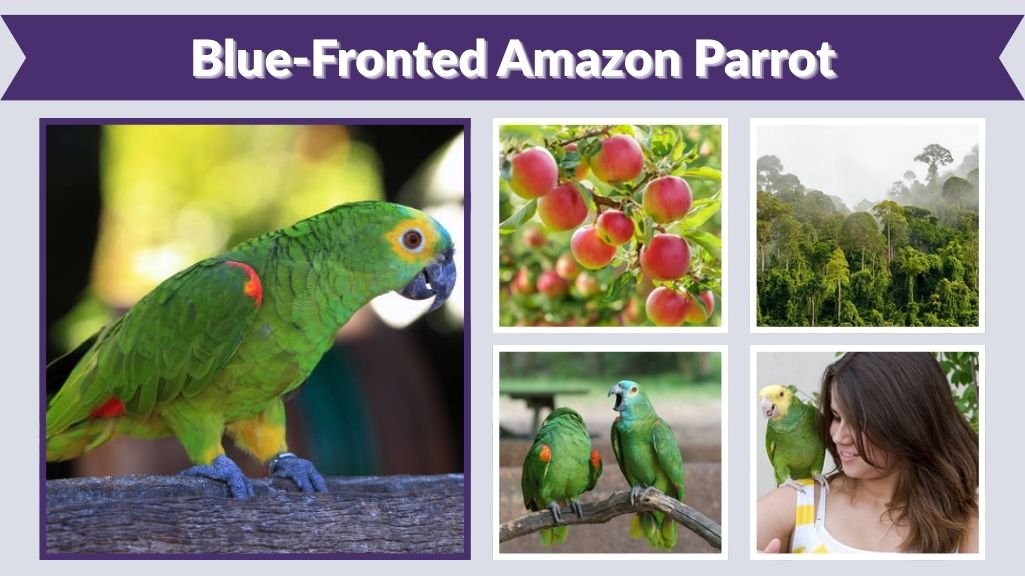
The Blue-Fronted Amazon Parrot is one of the most popular Amazon parrot species in the world. Known for its vibrant colors, intelligence, and impressive talking ability, this bird has become a favorite among parrot enthusiasts. Native to South America, Blue-Fronted Amazons are social, playful, and capable of forming strong bonds with their owners. Whether you are considering buying one or simply want to learn more about this remarkable bird, understanding its care, lifespan, diet, and personality is essential for responsible ownership.
What Is a Blue-Fronted Amazon Parrot?
The Blue-Fronted Amazon Parrot is a medium-to-large parrot species admired for its colorful appearance and engaging personality. It belongs to the Amazon parrot family, a group known for intelligence and vocal talent. These birds are often kept as companion pets because of their ability to learn words, interact with humans, and adapt well to captive environments.
Scientific Name
The scientific name of the Blue-Fronted Amazon Parrot is Amazona aestiva. It is one of the most widely recognized Amazon parrot species and has been kept as a companion bird for decades.
Blue-Fronted Amazon Parrot Facts
Several characteristics make this species unique:
- Native to South America
- Excellent talking ability
- Strong social personality
- Long lifespan
- Bright green plumage
- Blue markings above the beak
Why They Are Popular Pets
Their intelligence, playful nature, and ability to mimic speech make Blue-Fronted Amazons highly desirable pets. Many owners enjoy their entertaining behavior and strong emotional bonds.
Blue-Fronted Amazon Origin and Habitat
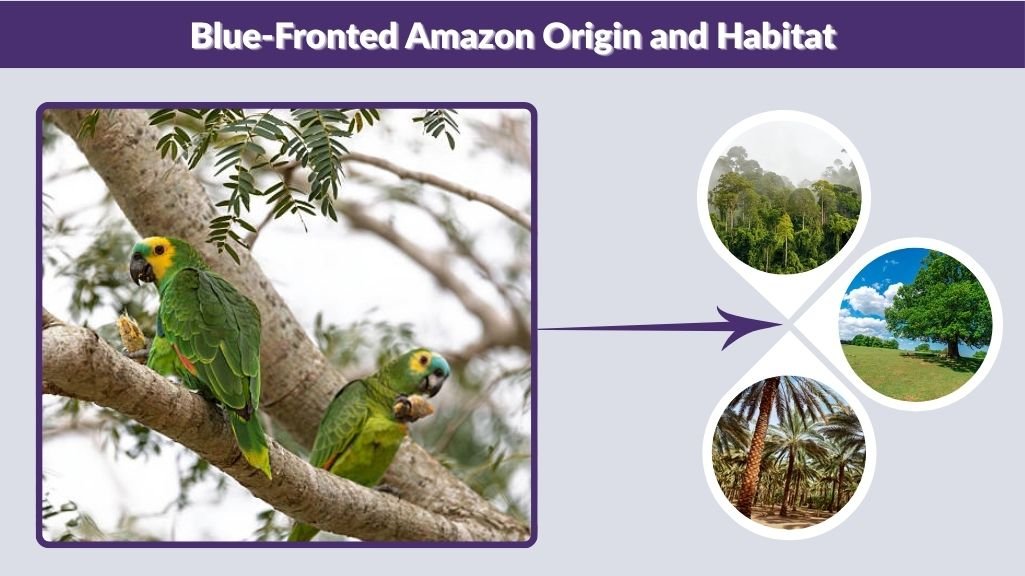
Blue-Fronted Amazons are naturally found in South America, where they inhabit forests, savannas, and wooded regions. Their adaptability allows them to thrive in different environments as long as food and nesting sites are available.
Where Blue-Fronted Amazons Come From
This species is native to:
- Brazil
- Bolivia
- Paraguay
- Argentina
These countries provide the warm climate and vegetation needed to support healthy wild populations.
Native Habitat
In the wild, Blue-Fronted Amazons inhabit tropical forests, open woodlands, palm groves, and savanna regions. They often travel in pairs or small flocks while searching for food and nesting areas.
Wild Population Behavior
Wild birds spend much of their day foraging, socializing, and communicating through loud vocalizations. Their strong flock instincts help protect them from predators and environmental threats.
Blue-Fronted Amazon Appearance
The Blue-Fronted Amazon is one of the most visually striking Amazon parrots. Its colorful feathers and expressive face make it easily recognizable among other parrot species.
Blue-Fronted Amazon Size
Adult Blue-Fronted Amazons generally reach a length of 14 to 15 inches (35–38 cm). Their sturdy bodies and strong beaks give them a powerful appearance.
Weight and Physical Features
Most adults weigh between 400 and 550 grams. They have broad wings, a short square tail, and a strong hooked beak designed for cracking nuts and seeds.
Plumage and Coloration
The species is primarily green with distinctive blue feathers above the beak. Many birds also display yellow markings on the face and head, creating a colorful and attractive appearance.
Blue-Fronted Amazon Male vs Female
Male and female Blue-Fronted Amazons appear very similar, making visual identification difficult. While some subtle differences may exist, accurate gender determination usually requires scientific testing.
Physical Differences
In most cases, males and females share nearly identical coloration and body structure. Small differences in size or head shape are often unreliable indicators.
Behavioral Differences
Some owners report personality differences between males and females, but behavior varies significantly between individual birds. Socialization and environment often have a greater impact than gender.
DNA Testing for Gender
DNA testing remains the most accurate way to determine whether a Blue-Fronted Amazon is male or female. Veterinarians and avian laboratories commonly offer this service.
Blue-Fronted Amazon Lifespan
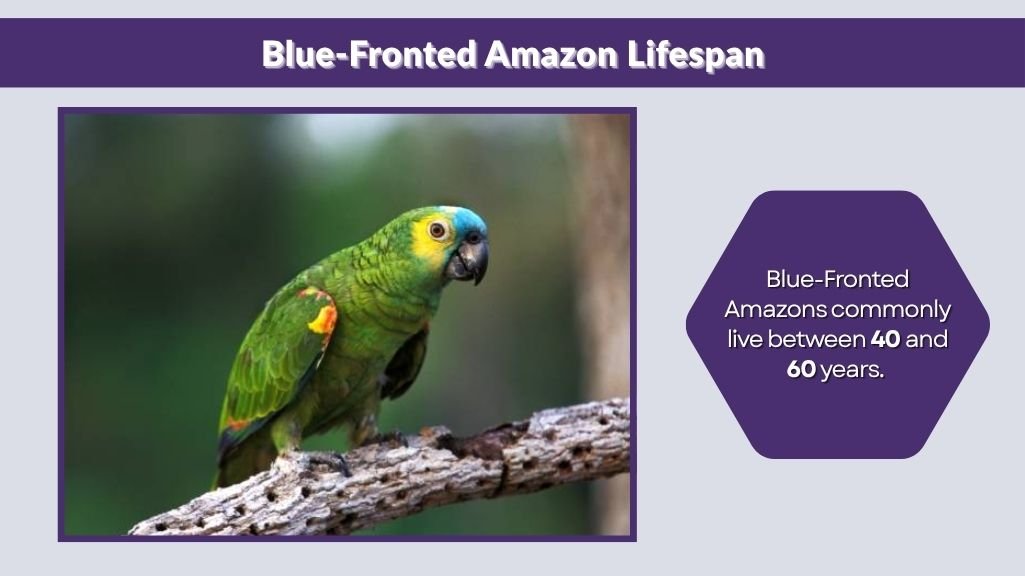
One of the most important considerations for potential owners is lifespan. Blue-Fronted Amazons are long-lived parrots that require a serious commitment. Proper care can help these birds remain healthy and active for many decades.
How Long Do Blue-Fronted Amazon Parrots Live?
In captivity, Blue-Fronted Amazons commonly live between 40 and 60 years. Some individuals may exceed this range when provided with excellent nutrition and veterinary care.
Lifespan in the Wild
Wild birds generally have shorter lifespans because they face predators, disease, food shortages, and environmental challenges. Survival depends heavily on habitat quality and local conditions.
Factors Affecting Longevity
Several factors influence lifespan:
- Balanced nutrition
- Clean living environment
- Regular veterinary care
- Mental stimulation
- Physical exercise
- Stress reduction
Owners who meet these needs significantly improve the chances of a long and healthy life.
Blue-Fronted Amazon Personality and Temperament
The Blue-Fronted Amazon is known for being intelligent, energetic, and highly social. These parrots thrive on interaction and enjoy being involved in household activities. Their outgoing nature makes them entertaining companions, but they also require consistent attention and training.
Blue-Fronted Amazon Temperament
Most Blue-Fronted Amazons are friendly and affectionate when properly socialized. They often form strong bonds with family members and enjoy spending time outside their cages.
Social Behavior
These parrots are naturally social birds that crave interaction. Without sufficient attention, they may become bored or develop undesirable behaviors such as excessive screaming or feather plucking.
Common Personality Traits
Many owners appreciate their:
- Intelligence
- Curiosity
- Loyalty
- Playfulness
- Confidence
- Strong communication skills
Can Blue-Fronted Amazon Parrots Talk?
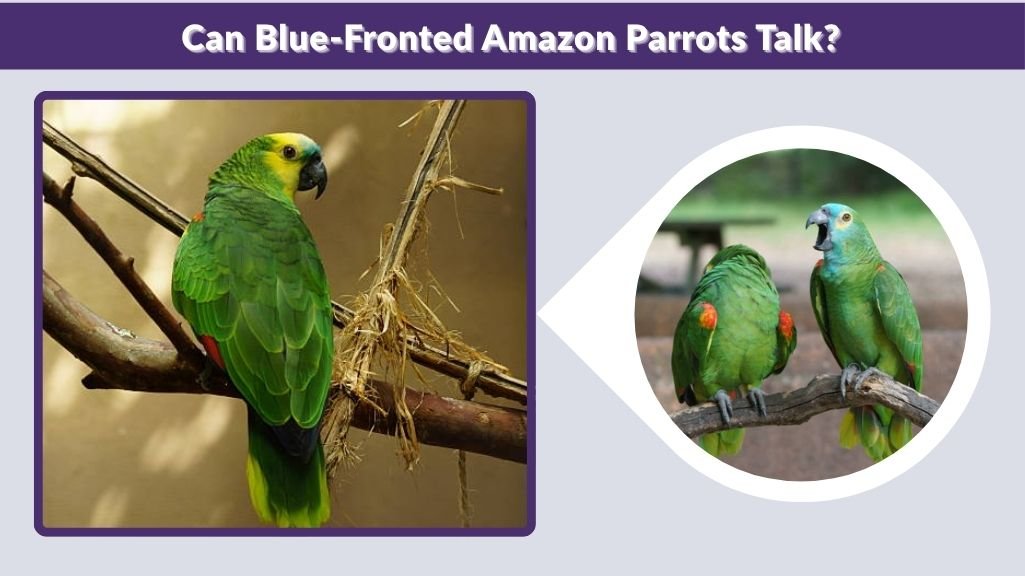
One of the biggest attractions of the Blue-Fronted Amazon Parrot is its remarkable talking ability. Amazon parrots are widely regarded as some of the best talking birds in the world. With proper training and regular interaction, many Blue-Fronted Amazons develop extensive vocabularies and can mimic human speech with impressive clarity.
Blue-Fronted Amazon Talking Ability
These parrots can learn dozens or even hundreds of words throughout their lives. Their voices are often clear and easy to understand, making them popular among bird enthusiasts who enjoy interactive pets.
How Many Words Can They Learn?
The number of words varies by individual bird. Some learn only a few phrases, while others develop large vocabularies and use words appropriately in certain situations.
Teach a Blue-Fronted Amazon Parrot to Talk
Successful speech training often includes:
- Repeating words consistently
- Using positive reinforcement
- Keeping training sessions short
- Speaking clearly and slowly
- Practicing daily
Patience and repetition are essential when teaching a parrot to talk.
Blue-Fronted Amazon Diet
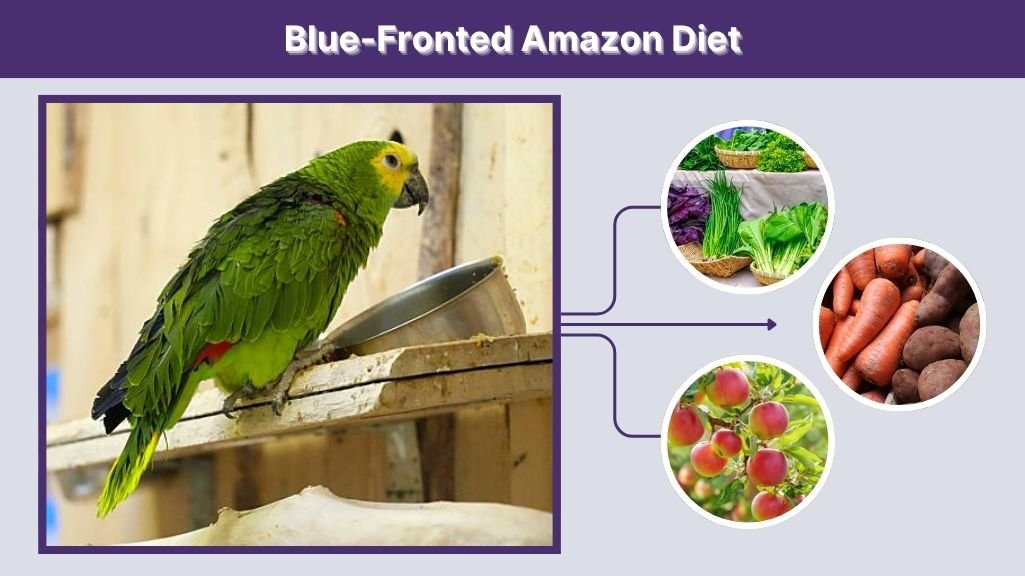
A proper diet is one of the most important factors affecting a Blue-Fronted Amazon’s health and lifespan. These birds require a balanced combination of pellets, vegetables, fruits, and healthy grains to meet their nutritional needs.
What Can Blue-Fronted Amazons Eat?
In captivity, Blue-Fronted Amazons benefit from a varied diet that provides essential vitamins, minerals, and nutrients. Fresh foods should be offered regularly alongside a quality pellet-based diet.
Healthy Foods for Blue-Fronted Amazons
Recommended foods include:
- High-quality pellets
- Leafy green vegetables
- Carrots and sweet potatoes
- Apples and berries
- Whole grains
- Sprouted seeds
Providing dietary variety helps maintain overall health and prevents nutritional deficiencies.
Foods to Avoid
Certain foods can be harmful or toxic to parrots. Owners should avoid chocolate, avocado, caffeine, alcohol, and heavily processed foods. These substances can cause serious health complications.
Blue-Fronted Amazon Care Guide
Proper care involves more than simply providing food and water. Blue-Fronted Amazons require daily exercise, mental stimulation, social interaction, and a safe living environment to thrive.
Housing Requirements
A large cage is essential for this active species. The enclosure should provide enough space for climbing, stretching, and moving comfortably throughout the day.
Exercise and Enrichment
Regular exercise helps prevent obesity and behavioral issues. Out-of-cage time, climbing opportunities, and interactive toys are important parts of a healthy routine.
Grooming and Molting
Like all parrots, Blue-Fronted Amazons undergo periodic molting. During this time, old feathers are replaced with new ones. Proper nutrition and access to bathing opportunities help support healthy feather growth.
Blue-Fronted Amazon Health Issues
Blue-Fronted Amazons are generally hardy birds, but they can experience health problems if their care requirements are not met. Early detection and preventive veterinary care are essential for maintaining long-term health.
Common Health Problems
These parrots may be susceptible to obesity, respiratory infections, nutritional deficiencies, and feather-related disorders. Many health issues can be prevented through proper diet and husbandry.
Avian Pox in Blue-Fronted Amazon Parrots
Avian pox is a viral disease that can affect parrots and other bird species. Symptoms may include lesions around the face, beak, and feet. Veterinary diagnosis and supportive care are important for affected birds.
Preventive Healthcare
Regular veterinary examinations, proper nutrition, and a clean environment significantly reduce the risk of illness and help ensure a longer lifespan.
Are Blue-Fronted Amazon Parrots Good Pets?
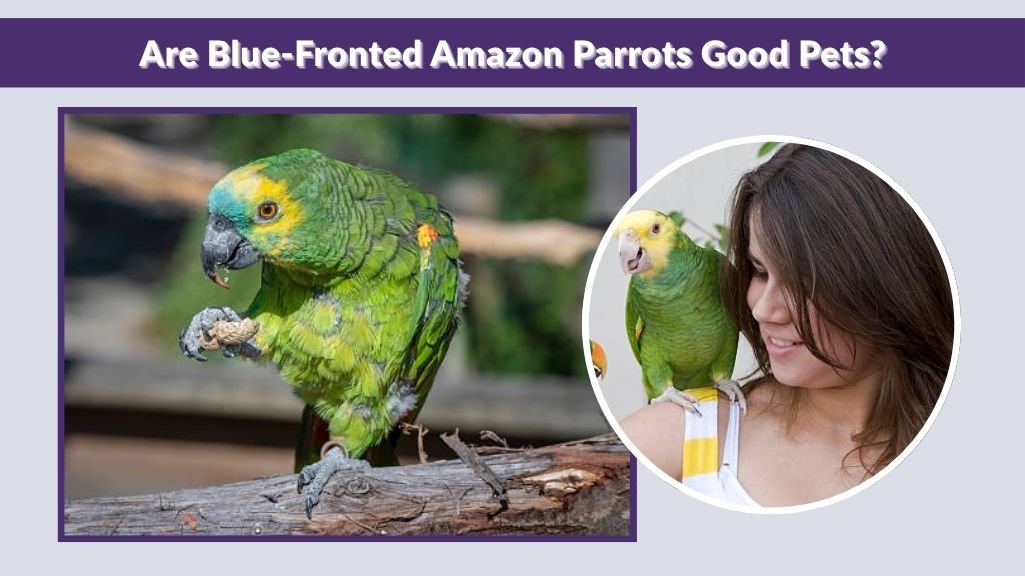
Blue-Fronted Amazons are intelligent, affectionate birds that can make outstanding companions for the right owners. However, their long lifespan and social needs require careful consideration before bringing one home.
Advantages of Ownership
Many owners appreciate:
- Excellent talking ability
- Strong intelligence
- Affectionate personality
- Long lifespan
- Interactive behavior
These qualities make them rewarding companions for experienced and dedicated bird keepers.
Challenges of Ownership
Potential challenges include:
- Loud vocalizations
- Long-term commitment
- Need for daily attention
- Large cage requirements
- Occasional hormonal behavior
Understanding these responsibilities helps ensure successful ownership.
Are They Good for Beginners?
While beginners can successfully keep Blue-Fronted Amazons, these parrots are often better suited for owners willing to invest significant time in training, socialization, and ongoing care.
Blue-Fronted Amazon Price and Buying Guide
The cost of a Blue-Fronted Amazon varies depending on age, breeder reputation, location, and level of socialization. Prospective owners should consider both the purchase price and long-term care expenses.
Blue-Fronted Amazon Cost
In many regions, a Blue-Fronted Amazon Parrot typically costs between $1,000 and $3,000. Prices may vary depending on availability and breeder practices.
Factors Affecting Price
Several factors influence the purchase price:
- Bird age
- Hand-raised status
- Breeder reputation
- Training level
- Geographic location
Choosing a Healthy Bird
A healthy Blue-Fronted Amazon should have bright eyes, clean feathers, good energy levels, and a strong appetite. Purchasing from reputable breeders or rescue organizations is strongly recommended.
Eclectus vs Blue-Fronted Amazon
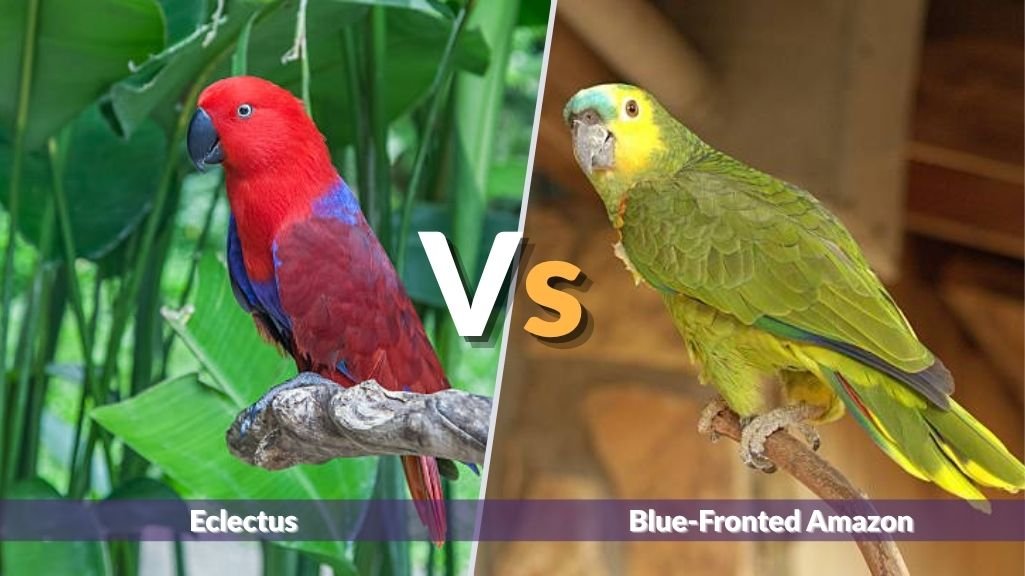
Many prospective owners compare Eclectus parrots and Blue-Fronted Amazons when choosing a companion bird. Both species are intelligent and beautiful, but they differ in personality and care requirements.
Personality Comparison
Blue-Fronted Amazons are generally more outgoing and playful, while Eclectus parrots are often calmer and more sensitive to environmental changes.
Talking Ability Comparison
Both species can learn speech effectively, although Blue-Fronted Amazons are often recognized for their energetic personalities and entertaining vocal performances.
Which Bird Is Better?
The best choice depends on the owner’s lifestyle, experience level, and personal preferences. Each species offers unique qualities that appeal to different types of bird enthusiasts.
FAQs
What Is the Scientific Name of the Blue-Fronted Amazon Parrot?
The scientific name of the Blue-Fronted Amazon Parrot is Amazona aestiva. It is one of the most popular and widely kept Amazon parrot species in the world.
How Big Do Blue-Fronted Amazon Parrots Get?
Adult Blue-Fronted Amazon Parrots typically grow to 14–15 inches (35–38 cm) in length and weigh between 400 and 550 grams.
Are Blue-Fronted Amazon Parrots Loud?
Yes, Blue-Fronted Amazons can be quite vocal. They communicate through calls, whistles, and speech mimicry, especially during the morning and evening hours.
How Can You Tell a Male From a Female Blue-Fronted Amazon?
Male and female Blue-Fronted Amazons look very similar, making visual identification difficult. DNA testing is the most reliable method for determining a bird’s gender.
How Long Does It Take to Teach a Blue-Fronted Amazon to Talk?
Some Blue-Fronted Amazons begin mimicking words within a few months, while others may take longer. Consistent daily training, repetition, and positive reinforcement greatly improve speech development.
