
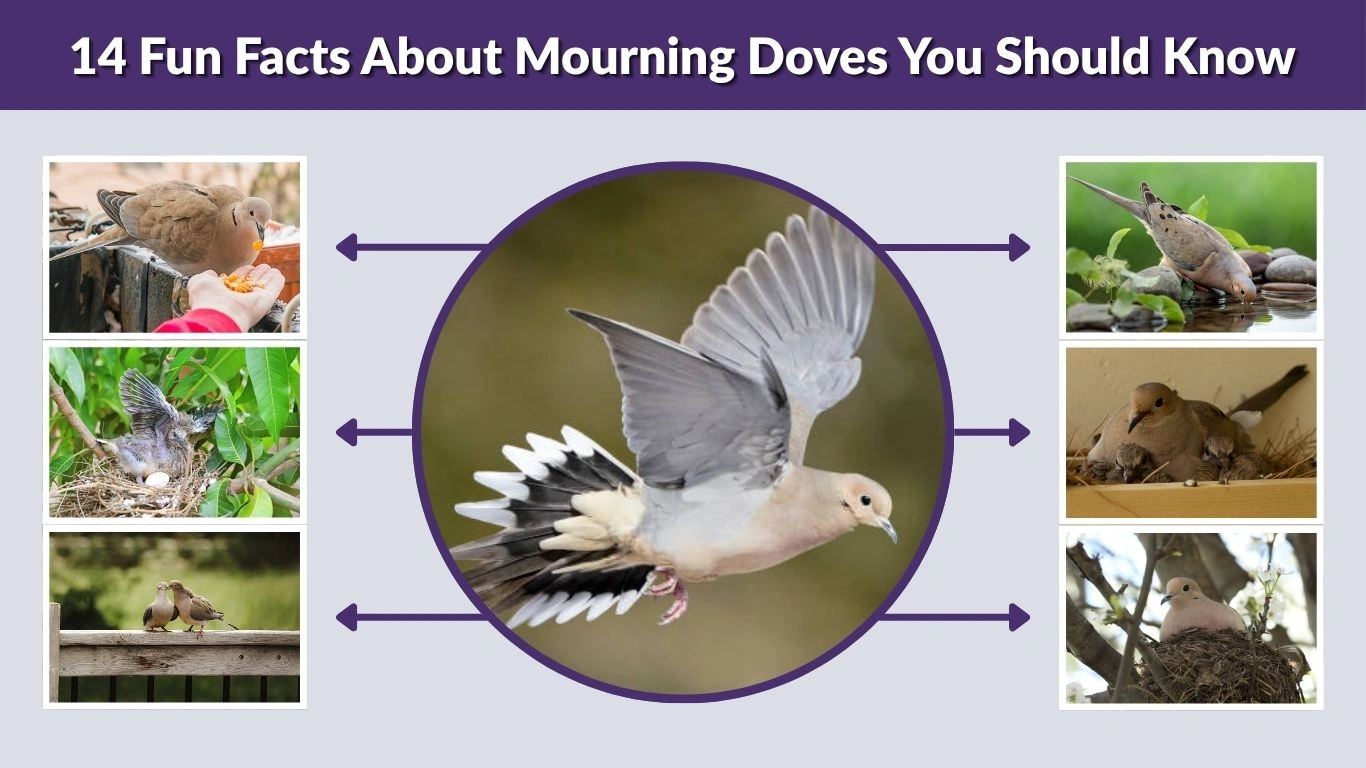
14 Fun Facts About Mourning Doves You Should Know
Mourning doves are one of the most familiar and peaceful birds you can spot in everyday life. Known for their soft gray color and gentle … Read More
Mourning doves are one of the most familiar and peaceful birds you can spot in everyday life. Known for their soft gray color and gentle … Read More
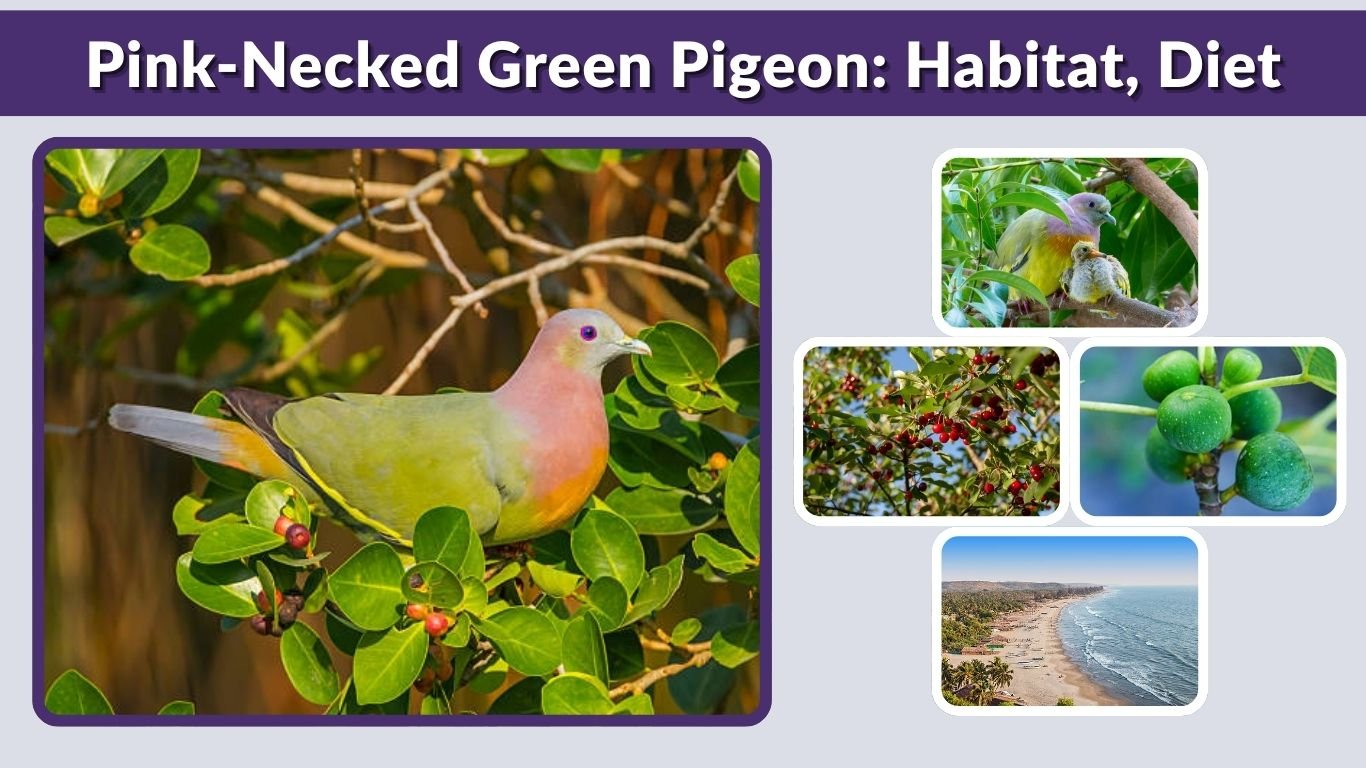
The pink-necked green pigeon (Treron vernans) is a colorful and eye-catching bird commonly found across Southeast Asia. Known for its vibrant green body and the … Read More
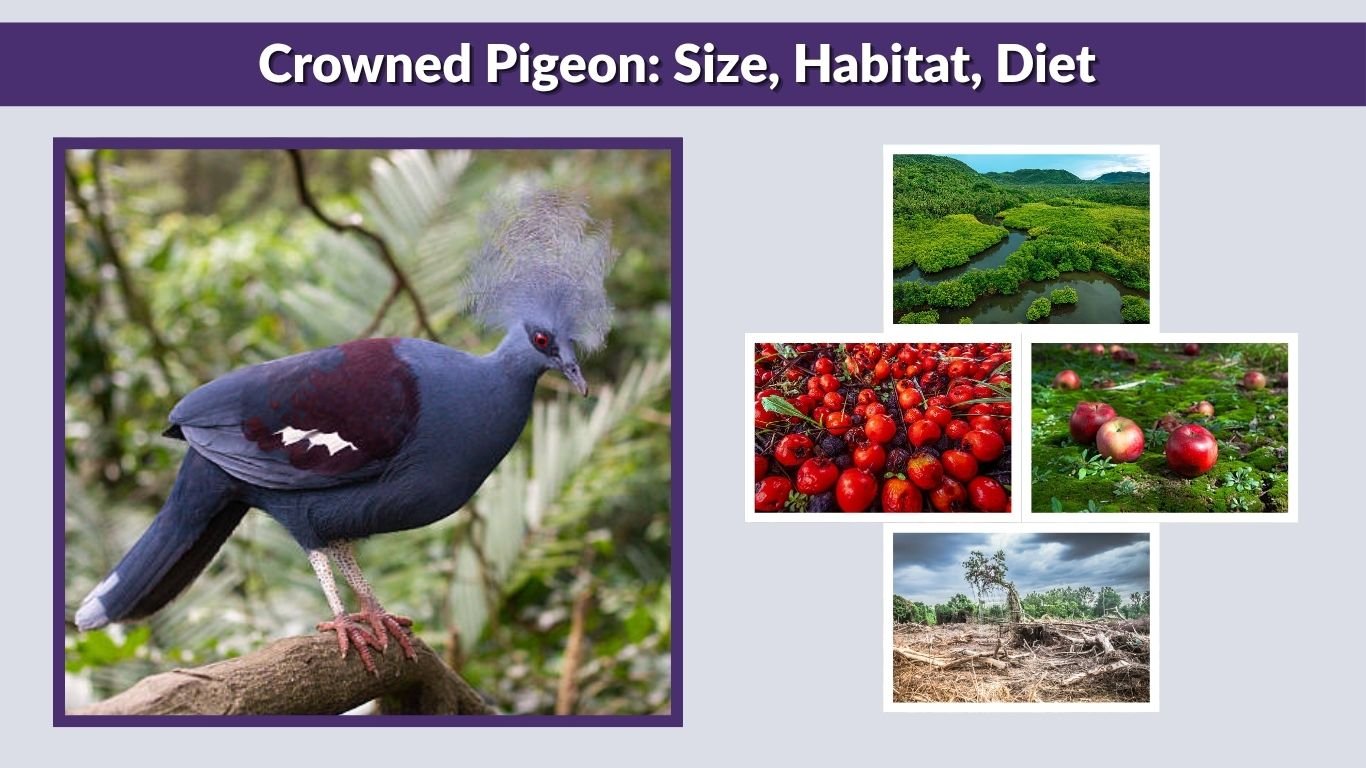
The crowned pigeon is one of the most fascinating and visually striking birds in the world. Native to the tropical forests of New Guinea, this … Read More
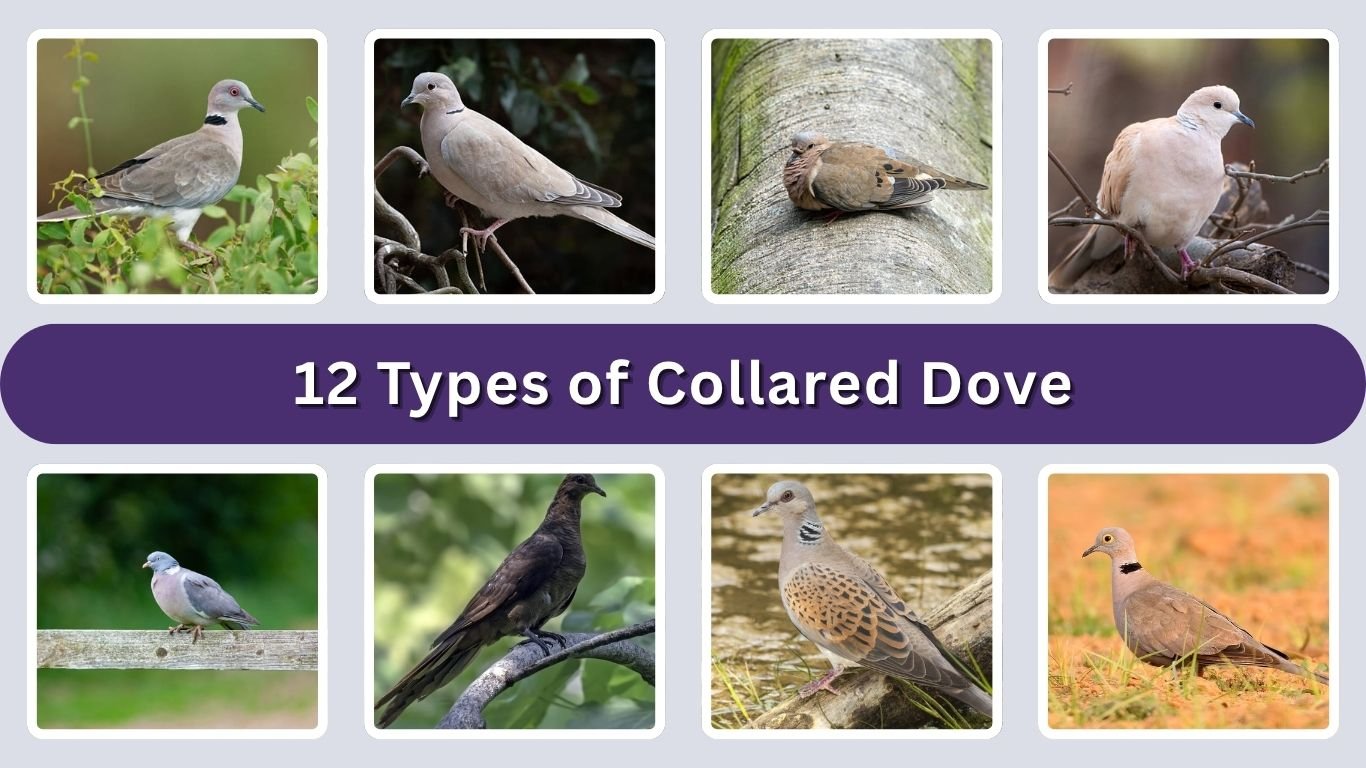
Collared doves are a group of elegant and gentle birds known for the distinctive dark “collar” marking on the back of their neck. Found across … Read More
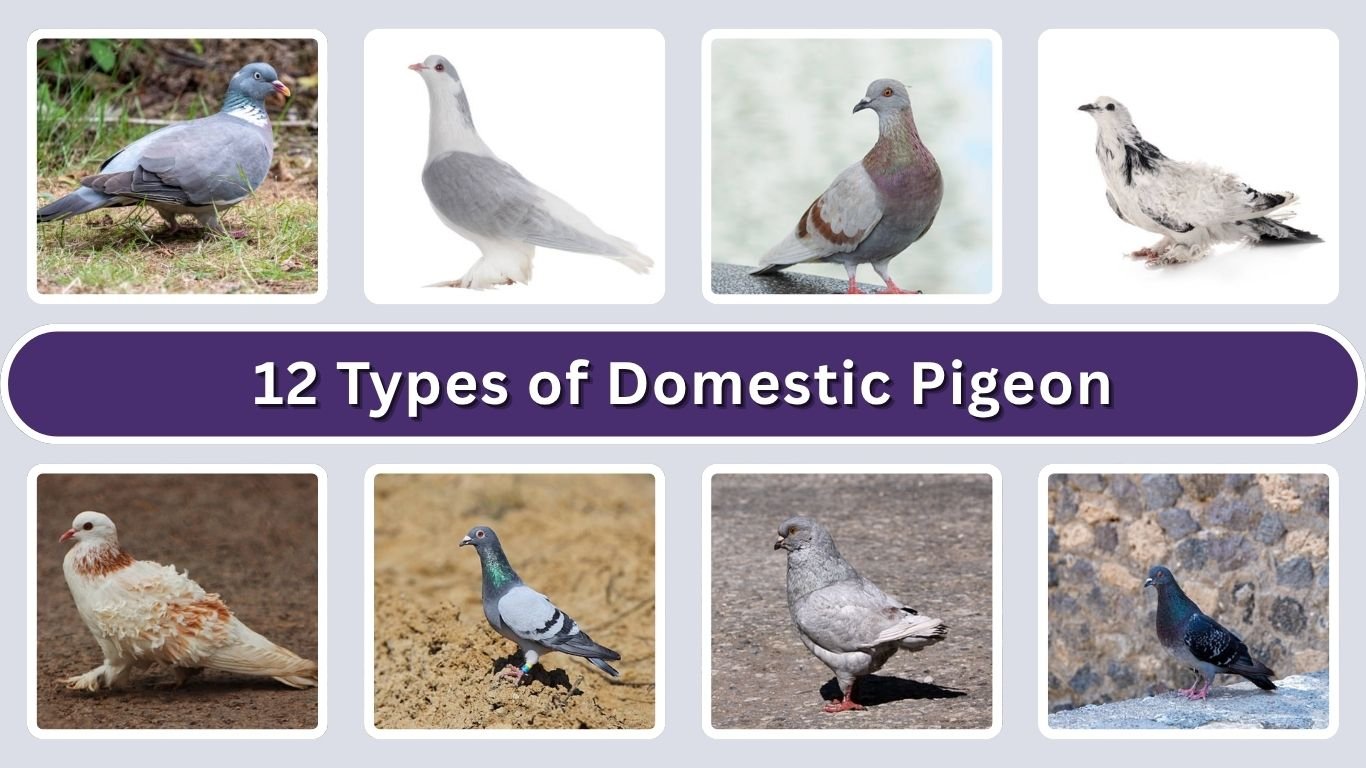
Domestic pigeons come in a wide variety of breeds, each with unique features, behaviors, and purposes. Some are bred for racing and flying, while others … Read More
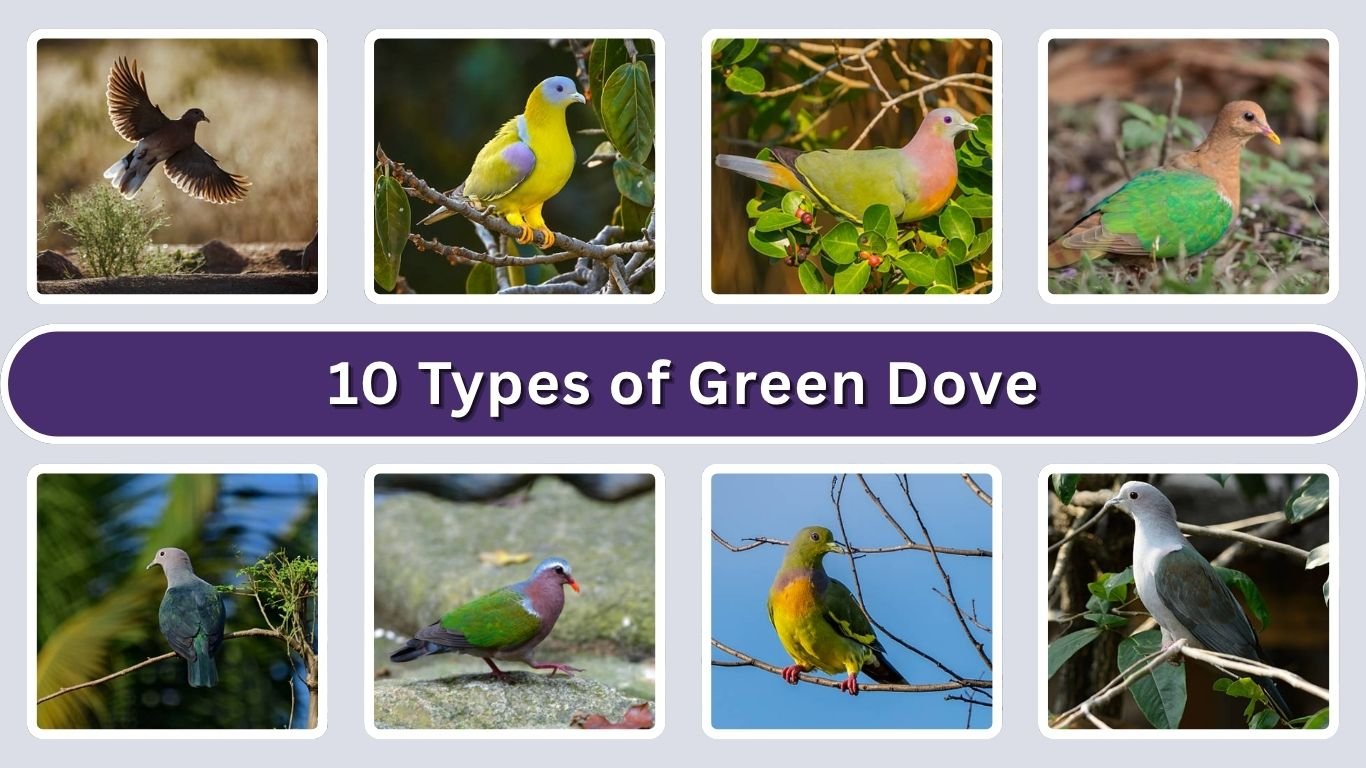
Green doves are beautiful and vibrant birds known for their soft green plumage and fruit-based diet. Found mainly in tropical and subtropical regions, these birds … Read More
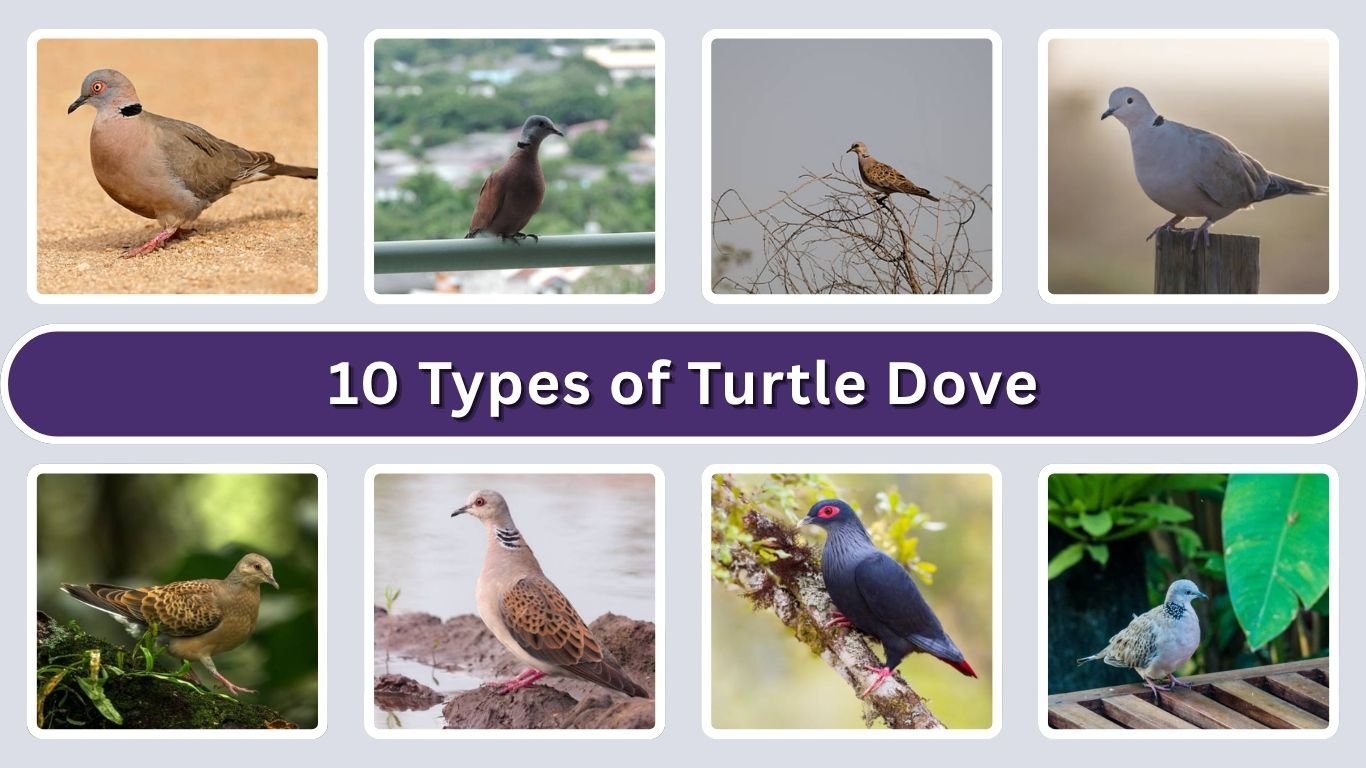
Turtle doves are gentle and graceful birds known for their soft cooing sounds and symbolic meaning of peace and love. Found across Europe, Asia, and … Read More
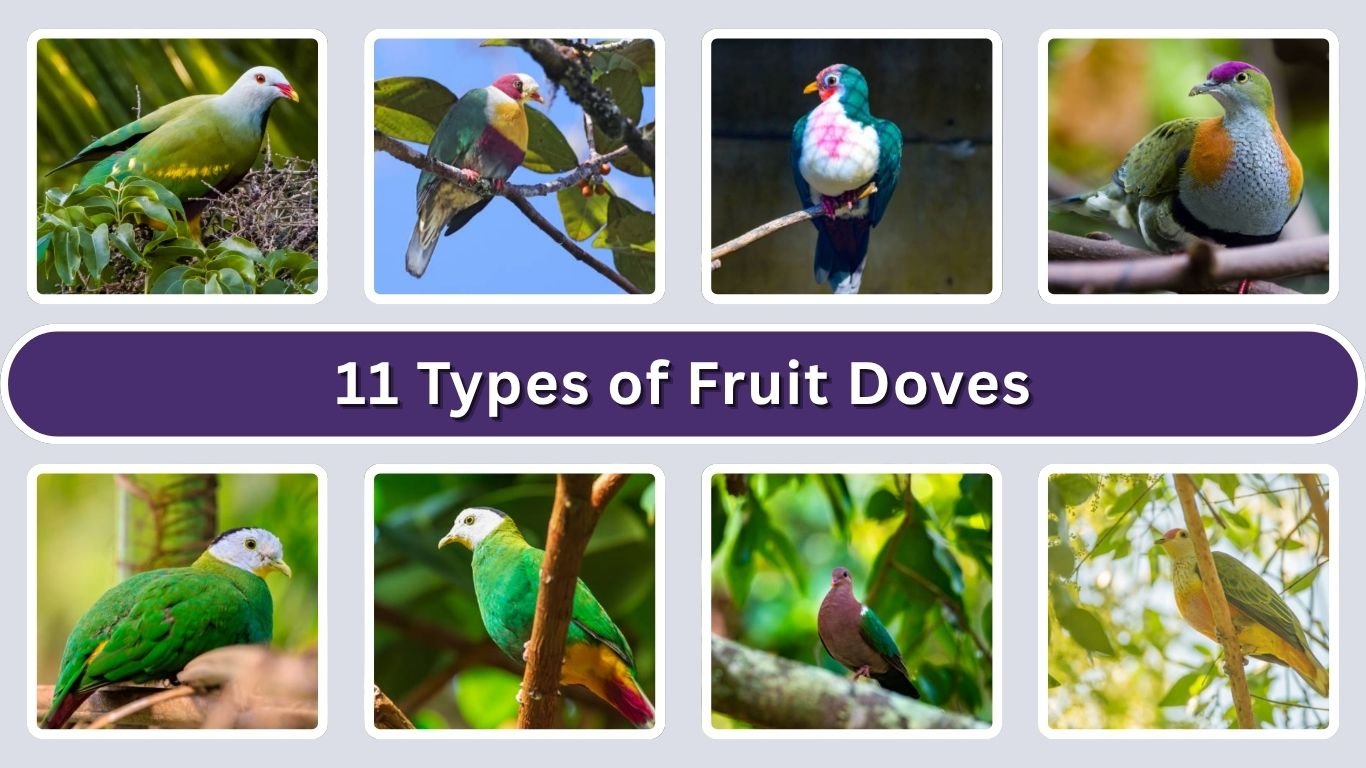
Fruit doves are among the most colorful and fascinating birds found in tropical regions. Known for their vibrant plumage and tree-dwelling lifestyle, these birds play … Read More
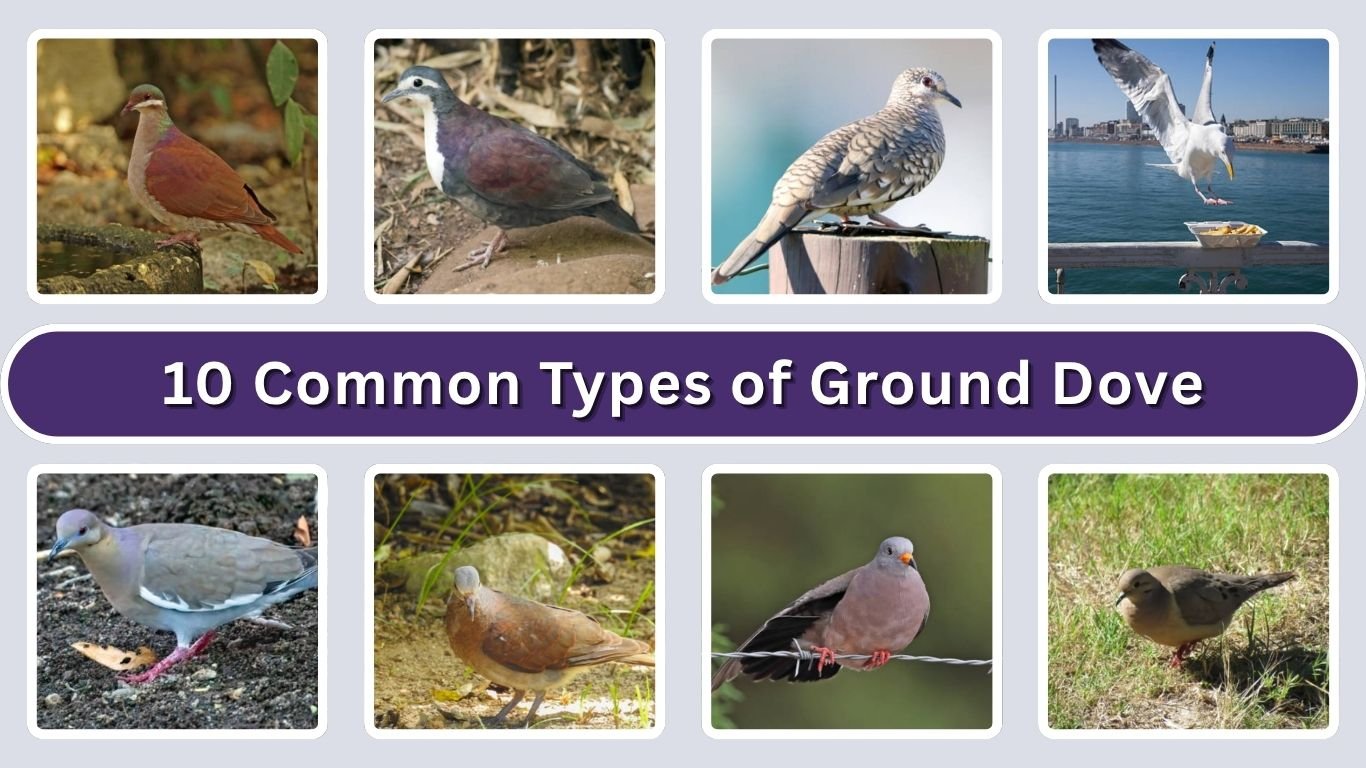
Ground doves are small, gentle birds known for their calm behavior and ground-feeding habits. Found mainly in warm regions, these birds adapt to a variety … Read More
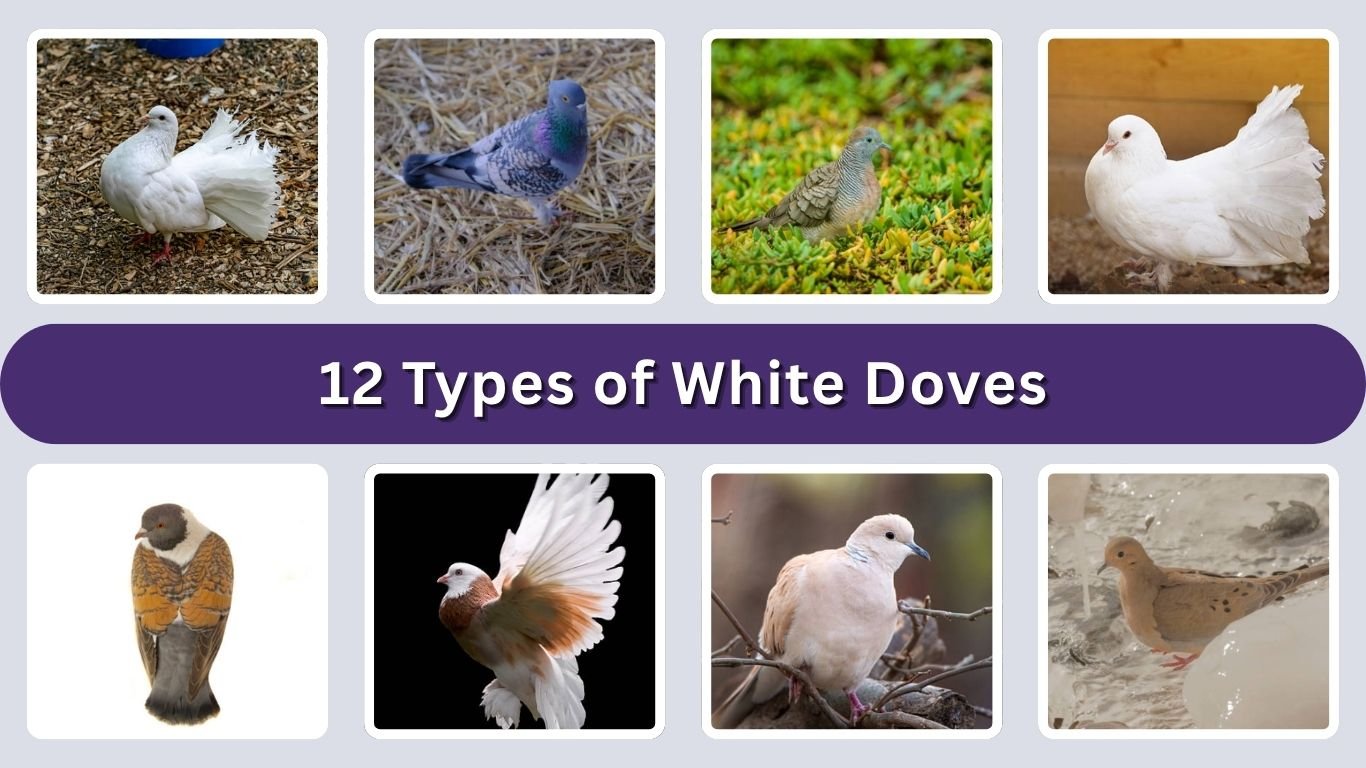
White doves are admired around the world for their beauty, grace, and symbolic meaning. Often associated with peace, love, and purity, these birds are commonly … Read More