
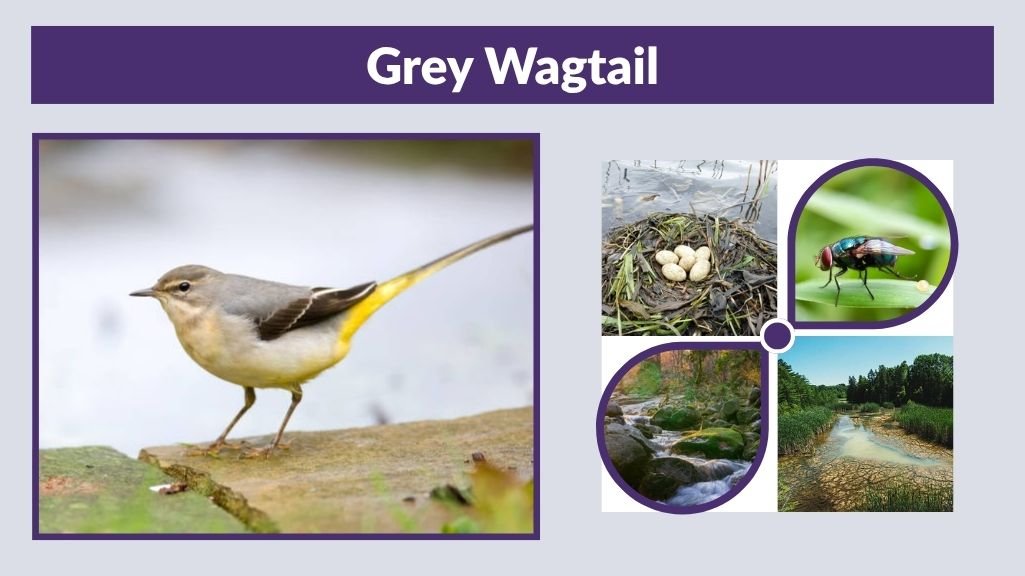
The grey wagtail is a slender and elegant bird known for its long wagging tail and striking yellow underparts. Its scientific name is Motacilla cinerea, and it is commonly found near rivers, streams, and wetlands across Europe and Asia. Birdwatchers often admire its energetic movement and graceful flight near water.
Grey wagtails are active insect-eating birds that migrate seasonally in many regions. They are sometimes confused with yellow wagtails because both species share bright yellow coloring. This guide explains grey wagtail identification, habitat, diet, migration, nesting habits, and behavior.
What Is a Grey Wagtail?
The grey wagtail is a small songbird belonging to the wagtail family. It is especially recognized for its long tail, grey upper body, and constant tail-wagging movement near freshwater habitats.
Scientific Name of the Grey Wagtail
The scientific name of the grey wagtail is Motacilla cinerea. It belongs to the wagtail and pipit family called Motacillidae.
Grey Wagtail Appearance
- Grey upper body
- Bright yellow underparts
- Long narrow tail
- White facial markings
Grey Wagtail Size and Shape
Grey wagtails have slim bodies, long tails, and light graceful flight patterns that help them move quickly near streams and rivers.
Why It Is Called a Wagtail
The bird constantly pumps or wags its tail while walking and feeding, which gives wagtails their common name.
Grey Wagtail Habitat and Distribution
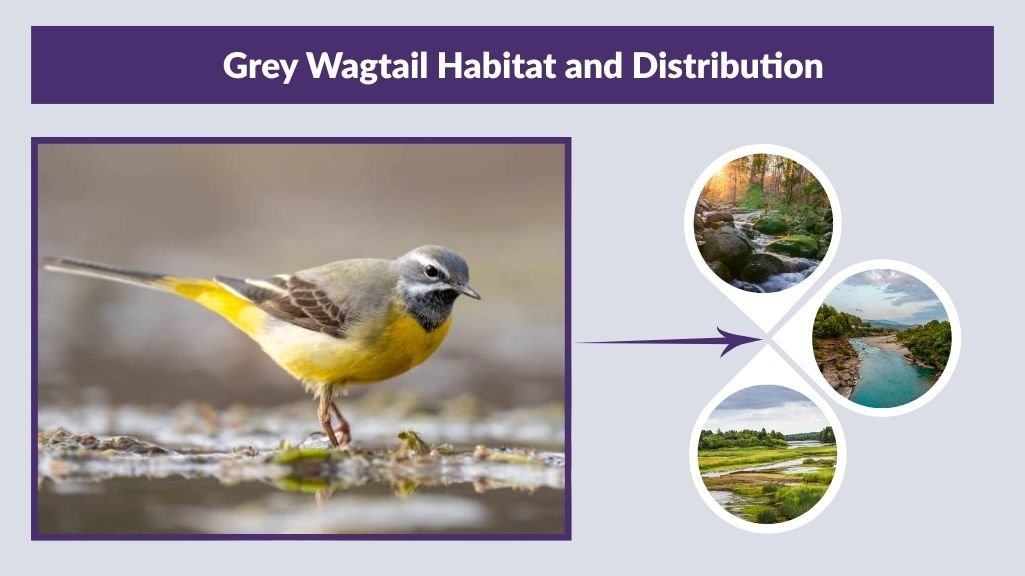
Grey wagtails strongly prefer freshwater habitats and are usually found close to streams, rivers, ponds, and wetlands. Their distribution covers large areas of Europe and Asia.
Preferred Habitat
These birds are commonly seen near fast-flowing streams, rocky rivers, waterfalls, wetlands, and shallow freshwater edges.
Grey Wagtail in the UK
- Found near rivers and canals
- Seen during winter and breeding season
- Common in parts of Britain
- Frequently observed by birdwatchers
Grey Wagtail in India
Grey wagtails appear in India mainly during migration and winter months, especially near wetlands, rivers, and urban water bodies.
Worldwide Distribution
Grey wagtails occur across Europe, Asia, and parts of Africa, including islands such as the Canary Islands and Azores.
Grey Wagtail Identification
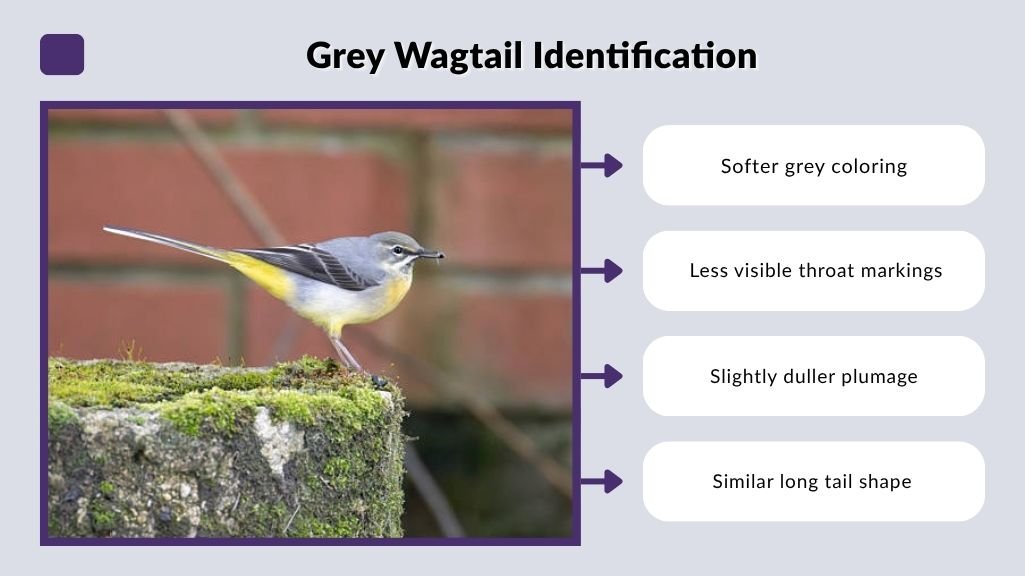
Correct identification is important because grey wagtails are often confused with yellow wagtails and other similar species.
Male Grey Wagtail Identification
Breeding males often show bright yellow bellies and a darker throat patch that becomes more visible during nesting season.
Female Grey Wagtail Identification
- Softer grey coloring
- Less visible throat markings
- Slightly duller plumage
- Similar long tail shape
Juvenile Grey Wagtail Features
Young grey wagtails usually appear duller and less colorful than adults. Their yellow coloring may look weaker during early development.
Grey Wagtail in Flight
Grey wagtails fly with quick undulating movements and often call while flying low above water or rocky streams.
Grey Wagtail vs Yellow Wagtail
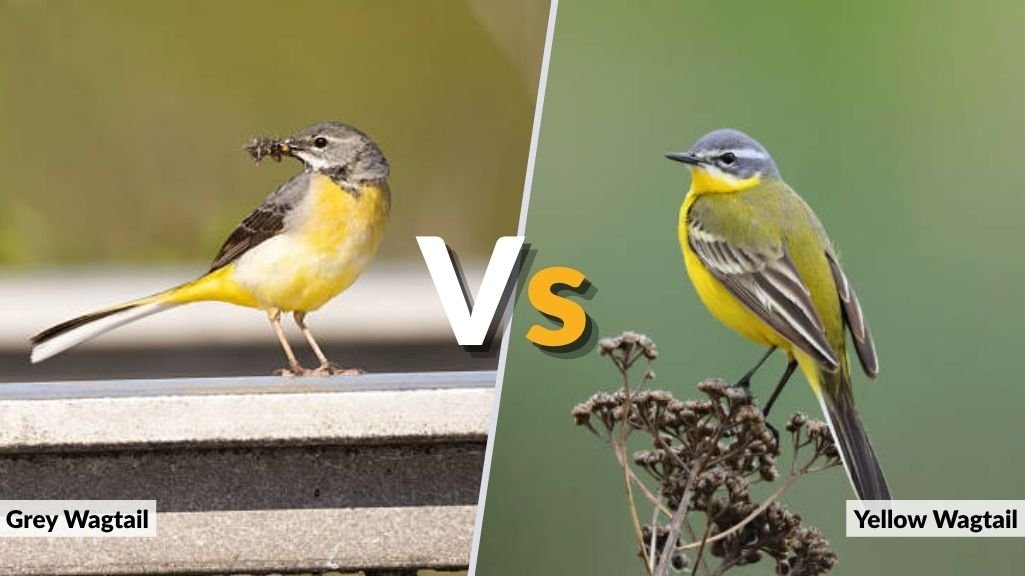
Grey wagtails and yellow wagtails look similar because both species have yellow underparts. However, several important differences help birdwatchers identify them correctly.
Color Differences
Grey wagtails usually have grey backs and brighter yellow bellies, while yellow wagtails often show greener or olive-colored upperparts.
Habitat Differences
- Grey wagtails prefer rivers
- Yellow wagtails favor grasslands
- Wet stream habitats attract grey wagtails
- Open fields attract yellow wagtails
Tail Length Comparison
Grey wagtails have noticeably longer tails than yellow wagtails, making them appear more slender during movement.
Behavior Differences
Grey wagtails spend more time near moving water, while yellow wagtails commonly feed in open farmland and grassy habitats.
Grey Wagtail Diet and Feeding Habits
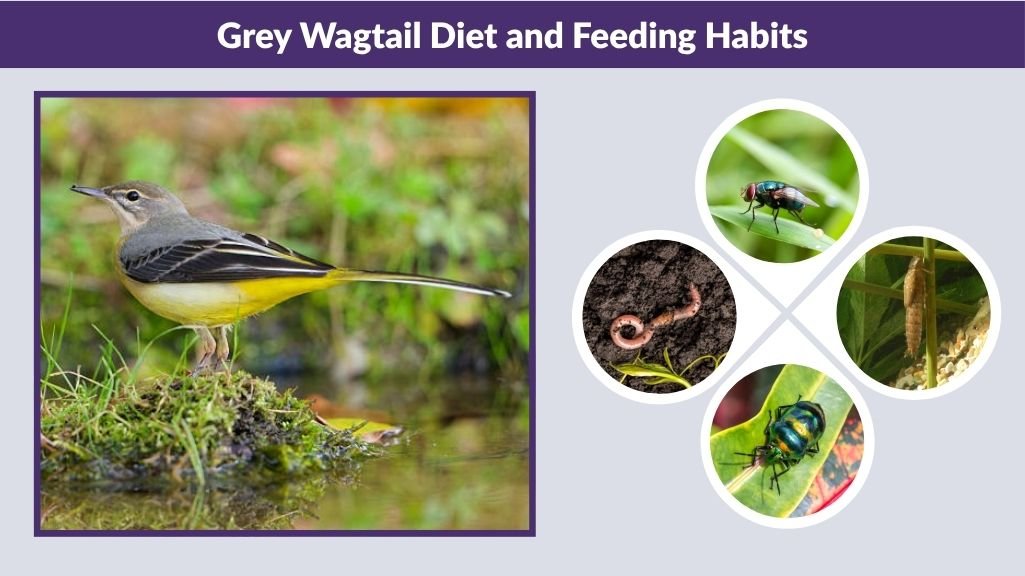
Grey wagtails feed mainly on insects and small aquatic creatures found around freshwater habitats. Their active feeding style helps them catch moving prey quickly.
What Do Grey Wagtails Eat?
- Insects and flies
- Small aquatic larvae
- Beetles and worms
- Tiny freshwater invertebrates
Feeding Behavior
Grey wagtails often run quickly along stream edges while searching for insects hiding among rocks and shallow water.
Feeding Juvenile Grey Wagtails
Adult birds bring insects and soft prey items back to the nest to feed growing chicks and fledglings.
Seasonal Diet Changes
Food availability changes with seasons, so grey wagtails may adjust feeding locations and prey selection during migration or winter months.
Grey Wagtail Nesting and Breeding
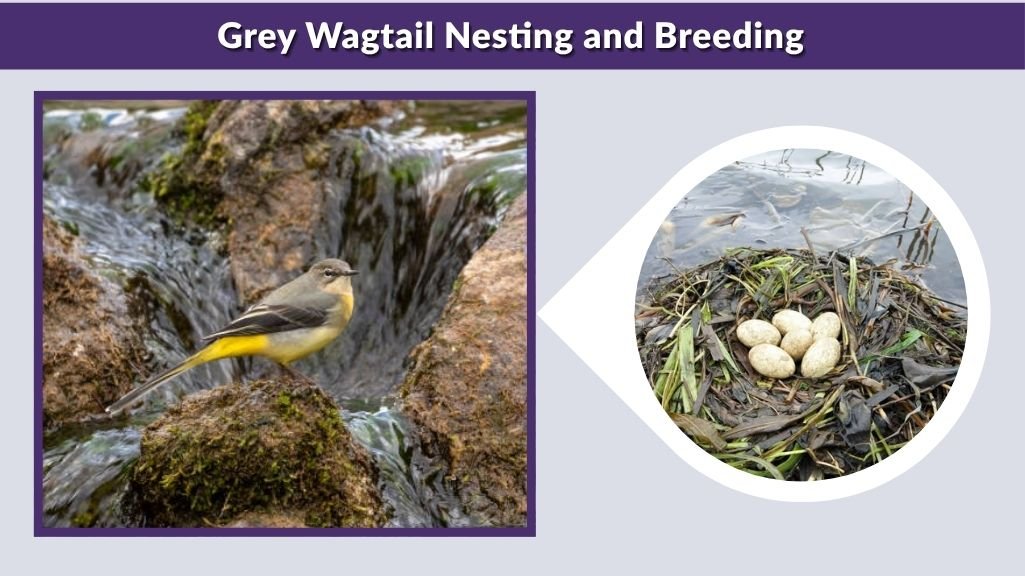
Grey wagtails build nests close to water sources where food remains plentiful during breeding season. They carefully protect eggs and chicks from predators.
Grey Wagtail Nest Locations
These birds often build nests beneath bridges, among rocks, inside riverbanks, or in sheltered crevices near streams.
Grey Wagtail Eggs
- Small speckled eggs
- Several eggs per clutch
- Camouflaged coloration
- Protected nesting sites
Breeding Season
Breeding usually begins during spring when insect populations increase and environmental conditions improve for raising chicks.
Raising Chicks and Fledglings
Both parents help feed and protect young birds until fledglings become strong enough to fly and forage independently.
Grey Wagtail Migration
Many grey wagtails migrate seasonally depending on weather conditions and food availability. Northern populations often move south during colder months to find warmer habitats with reliable insect populations.
Do Grey Wagtails Migrate?
Grey wagtails are partial migrants. Some populations remain in the same region year-round, while others travel long distances during winter.
Grey Wagtail Migration in India
- Winter visitor in many regions
- Seen near lakes and rivers
- Common during cooler months
- Frequently spotted in wetlands
European Migration Patterns
Birds breeding in colder northern areas often migrate toward southern Europe, Africa, or warmer coastal regions during winter.
Winter Plumage and Behavior
Grey wagtails may appear slightly duller during winter, but they remain active and continue feeding near freshwater habitats.
Grey Wagtail Song and Calls
Grey wagtails use high-pitched calls and songs for communication, mate attraction, and territory defense near nesting areas.
Grey Wagtail Song
The song usually consists of soft musical notes and short high-pitched phrases repeated from perches near water.
Grey Wagtail Flight Call
- Sharp high-pitched sounds
- Calls during flight
- Contact communication
- Alarm warning sounds
Communication Between Pairs
Breeding pairs communicate frequently while defending nesting territories and feeding chicks near streams or rivers.
Recognizing Grey Wagtail Sounds
Birdwatchers often identify grey wagtails by their distinctive calls before spotting the bird near moving water.
Grey Wagtail Behavior
Grey wagtails are energetic birds known for constant movement and active feeding behavior along freshwater habitats.
Tail Wagging Behavior
The constant up-and-down tail movement is one of the bird’s most recognizable features and may help with balance or communication.
Territorial Habits
- Defend feeding areas
- Protect nests aggressively
- Chase away rival birds
- Active during breeding season
Flight and Perching Style
Grey wagtails often perch on rocks, branches, or stream edges before making quick flights to catch insects.
Interaction With Other Birds
They may share habitats with other wagtails and small birds but can become territorial near nesting areas.
Are Grey Wagtails Rare?
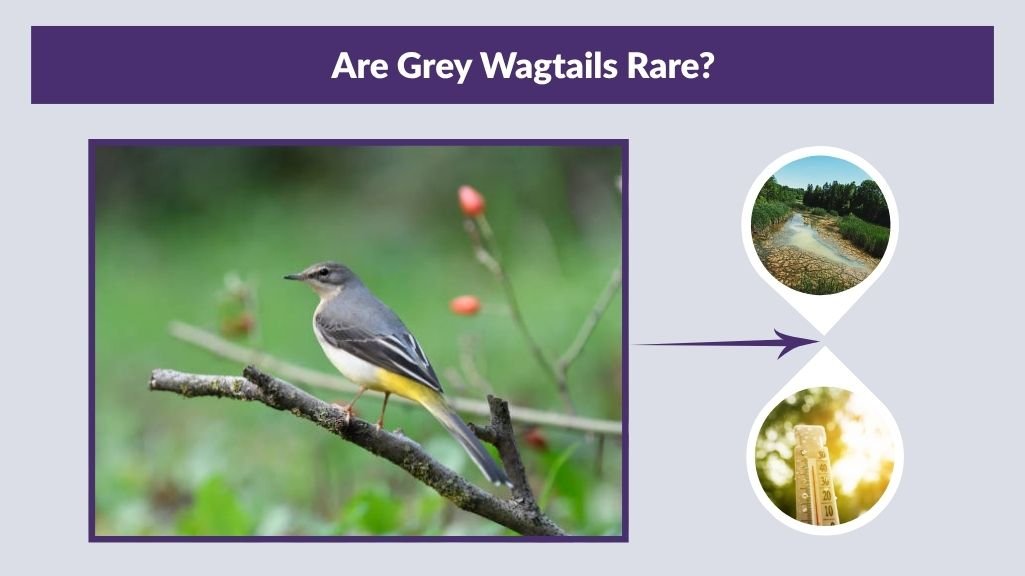
Grey wagtail populations vary depending on habitat quality and environmental conditions. In many areas they remain locally common near suitable freshwater habitats.
Grey Wagtail Population Trends
Some populations remain stable, while others are affected by pollution, habitat loss, and environmental changes.
Threats to Grey Wagtails
- Water pollution
- Habitat destruction
- Reduced insect populations
- Climate-related changes
Habitat Loss and Pollution
Polluted rivers and damaged wetland habitats reduce feeding opportunities and nesting success for grey wagtails.
Conservation Efforts
Protecting freshwater ecosystems and maintaining clean river habitats help support healthy grey wagtail populations.
Grey Wagtail Spiritual Meaning and Symbolism
In some cultures and birdwatching traditions, wagtails symbolize movement, positivity, adaptability, and energy.
Grey Wagtail Symbolism
Grey wagtails are often associated with flexibility and resilience because of their active lifestyle and migration habits.
Spiritual Meaning in Folklore
- Symbol of movement
- Linked to positive energy
- Associated with freedom
- Represents adaptability
Birdwatching and Cultural Interest
Bird enthusiasts admire grey wagtails because of their graceful movement, colorful appearance, and riverside behavior.
Why People Admire Grey Wagtails
Their elegant flight, bright yellow coloring, and constant tail movement make them attractive and memorable birds.
Interesting Facts About Grey Wagtails
Grey wagtails have several unique characteristics that make them popular among birdwatchers and nature photographers.
They Constantly Wag Their Tails
Tail wagging is one of the bird’s most distinctive behaviors and helps identify wagtails quickly.
They Prefer Fast-Flowing Water
- Frequently seen near streams
- Prefer rocky rivers
- Avoid dry habitats
- Depend on freshwater insects
Males Change Plumage During Breeding Season
Breeding males often develop brighter throat markings and stronger yellow coloration during spring.
They Can Catch Insects Mid-Air
Grey wagtails sometimes fly out from rocks or branches to catch insects directly in the air before returning to a perch.
FAQs
Are grey wagtails rare birds?
Grey wagtails are not usually considered rare, but they may be less common in areas without clean rivers, streams, or suitable freshwater habitats.
Where do grey wagtails build nests?
Grey wagtails often build nests near water in rock crevices, riverbanks, bridges, walls, or sheltered spaces close to streams.
What does a juvenile grey wagtail look like?
Juvenile grey wagtails are duller in color than adults and usually have softer yellow tones with less distinct markings.
Do grey wagtails visit gardens?
Yes, grey wagtails sometimes visit gardens, especially if there are ponds, streams, or wet areas that attract insects.
What sound does a grey wagtail make?
Grey wagtails produce high-pitched calls and soft songs that are often heard while the bird is flying near water.
