
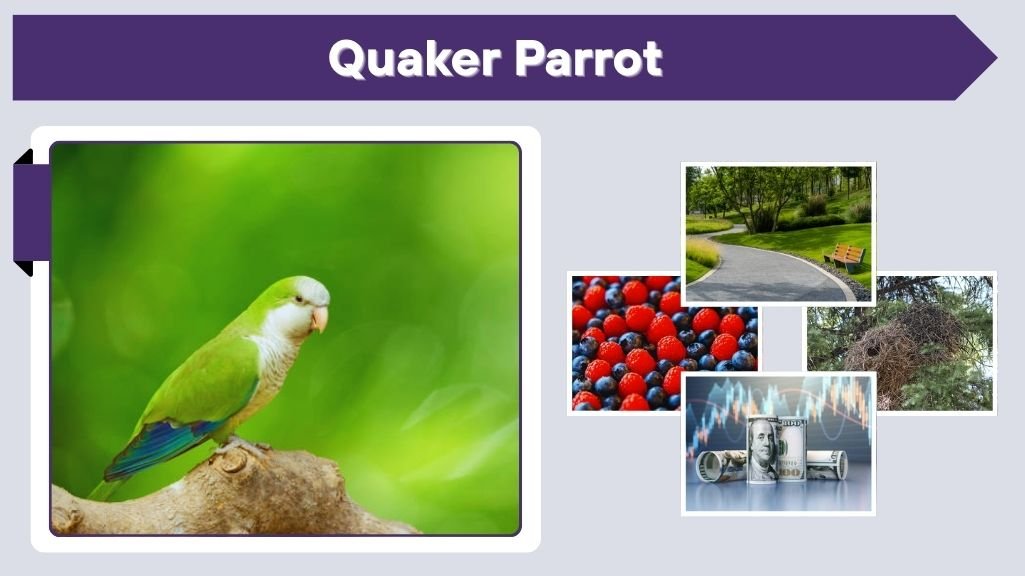
The Quaker parrot is a highly intelligent and social bird that has become a favorite among pet owners worldwide. Also known as the monk parakeet, this colorful parrot is admired for its talking ability, playful personality, and strong bond with humans. Native to South America, Quaker parrots have successfully adapted to many environments around the world. Whether you are considering one as a pet or simply want to learn more about this fascinating species, understanding its care, lifespan, diet, and behavior is essential.
What Is a Quaker Parrot?
Quaker parrots are medium-sized parrots known for their intelligence, affectionate nature, and remarkable speaking abilities. They are one of the few parrot species that build large communal nests. Their popularity as companion birds continues to grow because they are interactive, trainable, and highly entertaining pets.
Quaker Parrot Scientific Name
The scientific name of the Quaker parrot is Myiopsitta monachus. It belongs to the parrot family and is the only member of its genus. The bird is commonly referred to as both a Quaker parrot and a monk parakeet.
Why Are They Called Quaker Parrots?
The name comes from the bird’s gray face and chest feathers, which resemble traditional Quaker clothing. The alternative name, monk parakeet, comes from the same distinctive coloration.
Quaker Parrot Characteristics
Some notable characteristics include:
- Bright green plumage
- Gray face and chest
- Strong curved beak
- High intelligence
- Excellent mimicry skills
- Social and affectionate personality
Where Are Quaker Parrots From?
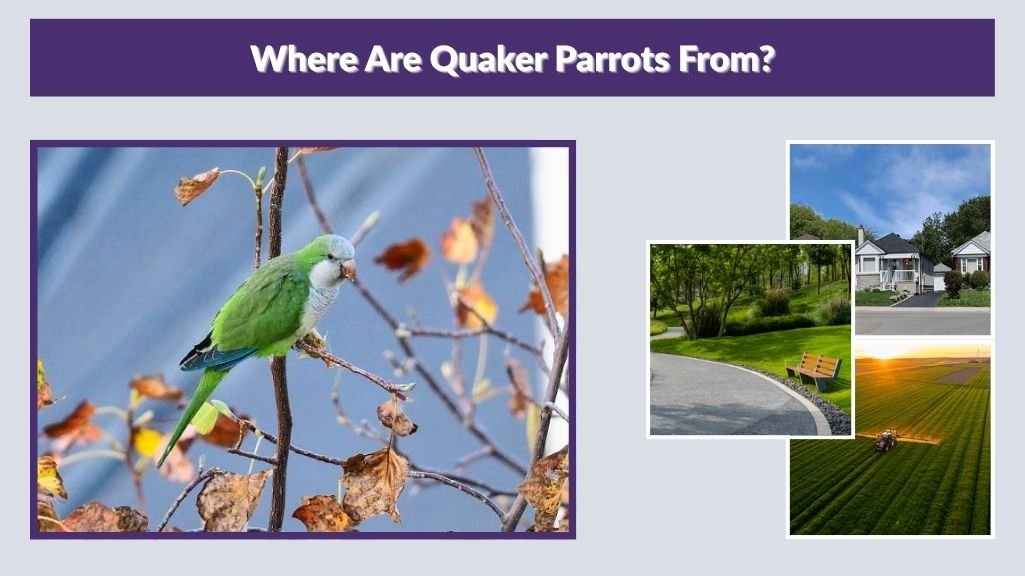
Quaker parrots originate from South America but have expanded far beyond their native range. Their adaptability and ability to thrive in different climates have allowed them to establish populations in many countries around the world.
Native Range of Quaker Parrots
Wild Quaker parrots are naturally found in:
- Argentina
- Paraguay
- Uruguay
- Southern Brazil
- Bolivia
These regions provide suitable climates and abundant food resources that support healthy populations.
Wild Quaker Parrots Around the World
Outside their native range, Quaker parrots have formed wild colonies in North America and Europe. Many of these populations originated from escaped or released pet birds.
Quaker Parrot Range Today
Today, Quaker parrots can be seen in urban parks, suburban neighborhoods, and agricultural areas. Their adaptability is one of the main reasons they have become successful in many parts of the world.
Quaker Parrot Appearance and Colors
One of the most attractive features of the Quaker parrot is its wide variety of color mutations. While the natural green variety remains the most common, breeders have developed several unique and beautiful color combinations.
Green Quaker Parrot
The green Quaker parrot is the natural wild type. It features a bright green body with a gray chest and face. This coloration helps the bird blend into vegetation in its native habitat.
Blue Quaker Parrot
Blue Quaker parrots are among the most popular color mutations. Their blue feathers create a striking appearance that many bird enthusiasts find appealing.
Other Quaker Parrot Colors
Additional color varieties include:
- Yellow (Lutino)
- White
- Albino
- Cinnamon
- Pallid
- Opaline
Rare mutations are often more expensive due to limited availability and specialized breeding programs.
Quaker Parrot Size and Physical Features
Quaker parrots are compact yet sturdy birds. Their manageable size makes them suitable for many households while still providing the intelligence and personality often associated with larger parrots.
Average Quaker Parrot Size
Adult Quaker parrots generally measure between 11 and 12 inches in length. Their size places them between small parakeets and larger parrot species.
Weight and Wingspan
Most healthy adults weigh between 90 and 150 grams. Their wings are proportionate to their body size and allow them to be agile fliers.
Male vs Female Quaker Parrot
Male and female Quaker parrots appear nearly identical. Visual differences are minimal, and DNA testing is usually required for accurate gender identification.
Quaker Parrot Lifespan
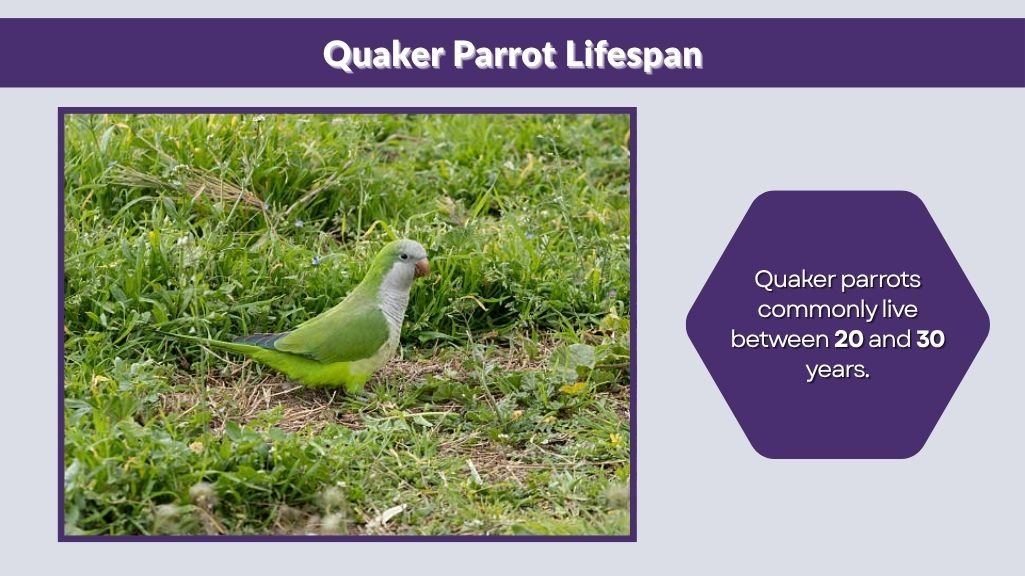
Quaker parrots are long-lived birds when provided with proper care. Their lifespan depends heavily on nutrition, environment, exercise, and veterinary attention. Responsible ownership can significantly increase both lifespan and quality of life.
How Long Do Quaker Parrots Live?
In captivity, Quaker parrots commonly live between 20 and 30 years. Some birds may live even longer when provided with excellent care throughout their lives.
Quaker Parrot Life Expectancy
Life expectancy varies depending on genetics, diet, and overall health. Birds raised in safe environments with balanced nutrition typically enjoy longer lifespans than those exposed to chronic stress or poor living conditions.
Factors That Affect Lifespan
Several factors influence longevity:
- Balanced diet
- Clean environment
- Mental stimulation
- Regular exercise
- Veterinary care
- Stress reduction
Providing proper care from an early age helps maximize both health and lifespan.
Quaker Parrot Diet
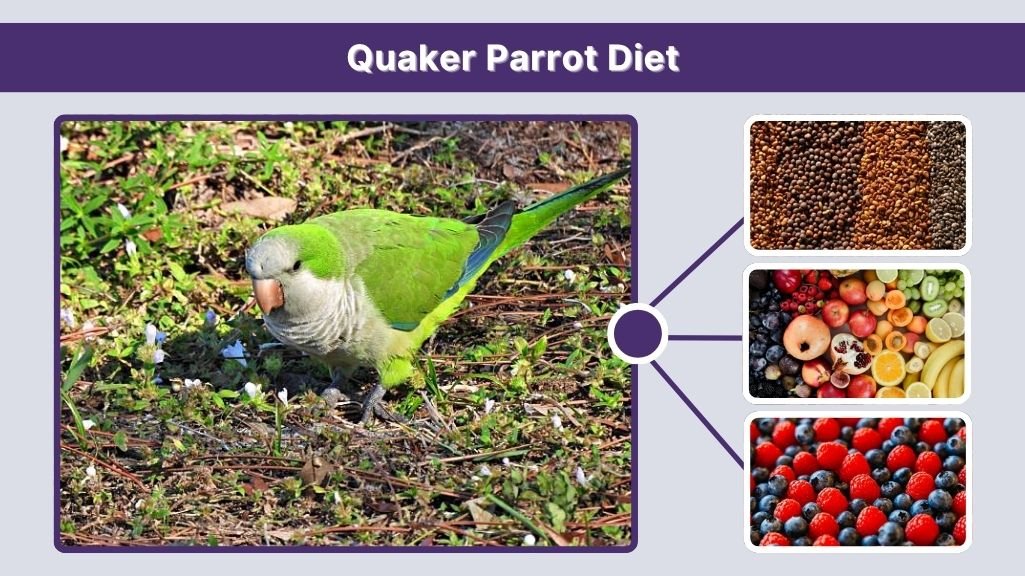
A nutritious diet is one of the most important aspects of Quaker parrot care. These birds require a variety of foods to receive the vitamins, minerals, and nutrients necessary for optimal health and development.
What Do Quaker Parrots Eat?
In the wild, Quaker parrots consume seeds, grains, fruits, berries, and plant material. They adapt their feeding habits based on seasonal food availability and environmental conditions.
Best Quaker Parrot Food
Pet Quaker parrots thrive on a balanced diet that includes high-quality pellets, fresh vegetables, fruits, and healthy grains. Variety helps prevent nutritional deficiencies and encourages healthy eating habits.
Foods to Avoid
Certain foods can be dangerous for Quaker parrots. Owners should never offer chocolate, avocado, caffeine, alcohol, or highly processed foods. Avoiding toxic foods is essential for maintaining long-term health and preventing serious medical issues.
Quaker Parrot Personality and Behavior
Quaker parrots are famous for their lively personalities and strong social bonds. They enjoy interacting with their owners and often become deeply attached to family members. Their intelligence, curiosity, and playful nature make them one of the most engaging pet bird species available today.
Are Quaker Parrots Friendly?
Most Quaker parrots are affectionate and enjoy spending time with their owners. They often seek attention, learn routines quickly, and can develop strong emotional connections with humans.
Are Quaker Parrots Aggressive?
Quaker parrots can become territorial, especially around their cages or nesting areas. Proper training, socialization, and regular interaction help reduce aggressive behavior and encourage positive habits.
Are Quaker Parrots Loud?
Although smaller than many parrot species, Quaker parrots can be vocal. They communicate through chirps, whistles, and calls throughout the day, making them moderately noisy pets.
Can Quaker Parrots Talk?
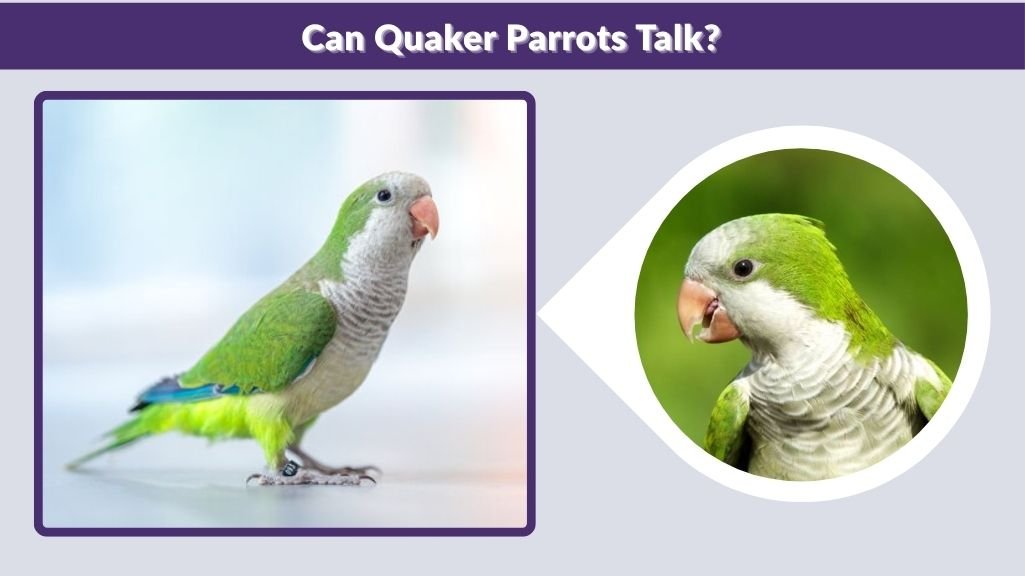
One of the biggest reasons people choose Quaker parrots is their ability to mimic human speech. They are considered among the best talking small parrots and can learn words, phrases, and even short conversations.
Do Quaker Parrots Talk?
Yes, Quaker parrots are excellent talkers. Many birds develop clear speech and can mimic sounds they hear regularly within the household.
At What Age Do Quaker Parrots Start Talking?
Some Quaker parrots begin mimicking sounds at just a few months of age. However, most birds start developing recognizable words between six months and one year old.
How to Teach a Quaker Parrot to Talk
Successful speech training often includes:
- Repeating simple words daily
- Using positive reinforcement
- Speaking clearly and consistently
- Training in quiet environments
- Practicing short sessions regularly
Patience and consistency usually produce the best results.
Quaker Parrot Care Guide
Proper care ensures that a Quaker parrot remains healthy, active, and mentally stimulated. These intelligent birds require daily interaction and enrichment to prevent boredom and behavioral issues.
Daily Care Requirements
Quaker parrots need fresh food, clean water, exercise, and social interaction every day. Neglecting these basic needs can negatively affect both physical and emotional health.
Choosing the Right Quaker Parrot Cage
A spacious cage allows the bird to move freely and exercise comfortably. The cage should contain multiple perches, feeding stations, and safe toys for enrichment.
Exercise and Enrichment
Regular physical and mental stimulation is essential. Activities such as climbing, foraging, puzzle toys, and supervised out-of-cage time help keep Quaker parrots happy and healthy.
Quaker Parrot Nesting Behavior
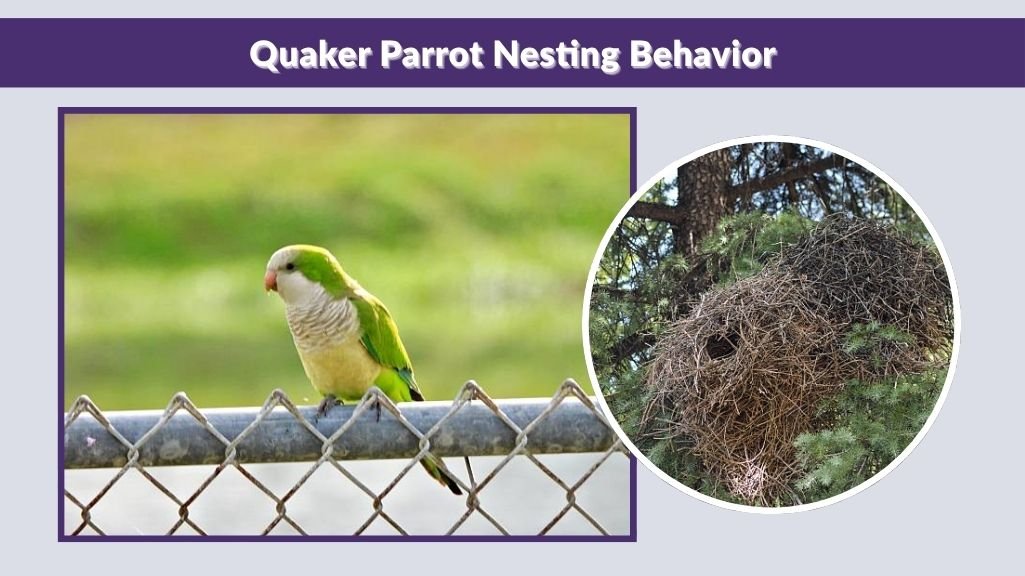
Unlike most parrots, Quaker parrots build large stick nests rather than relying on natural tree cavities. This unique behavior makes them one of the most fascinating parrot species in the world.
Quaker Parrot Nest Construction
Wild Quaker parrots gather sticks and branches to create complex communal nests. These structures may contain multiple chambers occupied by different breeding pairs.
Quaker Parrot Nest in Cage
Pet Quaker parrots sometimes attempt to build nests using paper, twigs, or cage accessories. This behavior is natural and reflects their instinctive nesting tendencies.
Breeding Habits
Breeding typically occurs during warmer seasons when food resources are plentiful. Healthy pairs may produce several eggs per clutch under suitable conditions.
Are Quaker Parrots Good Pets?
Quaker parrots are popular companion birds because they combine intelligence, affection, and entertainment in a manageable size. However, they are best suited for owners who can dedicate time to daily interaction.
Quaker Parrots as Pets
These birds thrive in homes where they receive attention and enrichment. They often enjoy learning tricks, playing games, and interacting with family members.
Are Quaker Parrots Good for Beginners?
They can be suitable for beginners who are willing to learn about parrot care. Their intelligence and social needs require commitment, but many first-time owners find them rewarding companions.
Pros and Cons of Ownership
Advantages
- Highly intelligent
- Excellent talking ability
- Strong owner bonds
- Entertaining personality
Challenges
- Can be noisy
- Require daily interaction
- Long lifespan commitment
- May become territorial
Why Are Quaker Parrots Illegal?
In some regions, Quaker parrots face ownership restrictions because of concerns about invasive populations. Their ability to survive and reproduce in non-native environments has led to legal regulations in certain areas.
Why Are Quaker Parrots Illegal in Some Places?
Escaped or released Quaker parrots can establish wild colonies. Their nesting habits and rapid population growth may create challenges for local ecosystems and infrastructure.
Are Quaker Parrots Legal Everywhere?
No. Laws vary depending on the country, state, or local jurisdiction. Potential owners should always verify current regulations before purchasing a Quaker parrot.
Invasive Species Concerns
Wild populations have become established in several locations, including parts of the United States and Europe. Wildlife authorities often monitor these populations to reduce environmental impacts.
Quaker Parrot Price and Buying Guide
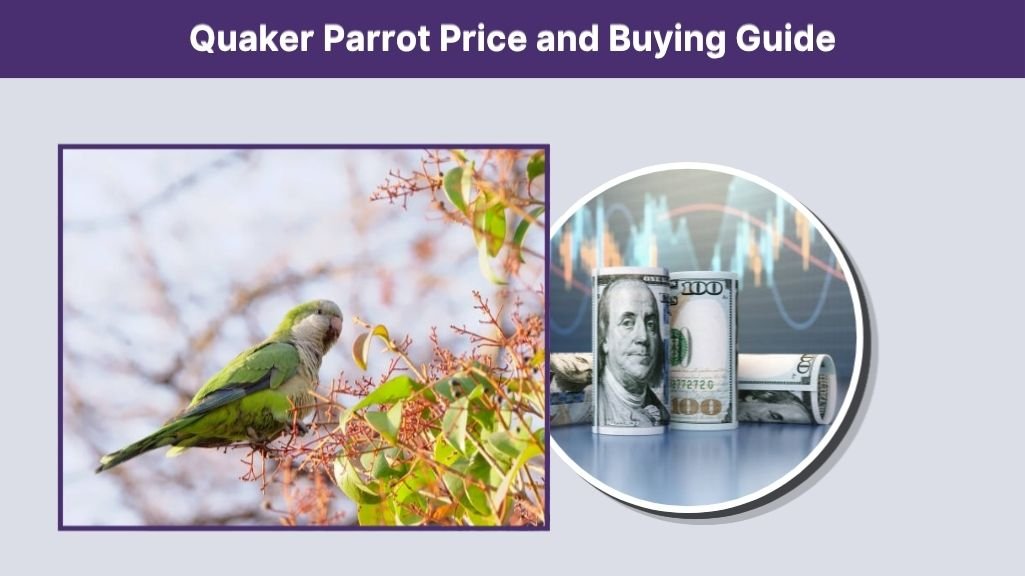
The cost of a Quaker parrot varies based on age, color mutation, breeder reputation, and location. Prospective owners should consider both the purchase price and ongoing care expenses.
How Much Do Quaker Parrots Cost?
Standard green Quaker parrots typically cost between $300 and $800. Rare color mutations often command significantly higher prices.
Factors That Affect Price
Several factors influence cost:
- Color mutation
- Bird age
- Hand-raised status
- Breeder reputation
- Regional availability
Finding a Healthy Quaker Parrot
When purchasing a bird, look for bright eyes, clean feathers, active behavior, and a reputable breeder. Healthy birds are generally alert, responsive, and well-socialized.
FAQs
What Is a Quaker Parrot?
A Quaker parrot is a small-to-medium-sized parrot species native to South America. It is also known as the monk parakeet and is famous for its intelligence and talking ability.
How Long Do Quaker Parrots Live?
Most Quaker parrots live between 20 and 30 years in captivity when provided with proper care, nutrition, and veterinary attention.
What Do Quaker Parrots Eat?
Their diet should include high-quality pellets, fresh vegetables, fruits, healthy grains, and clean water, with seeds offered in moderation.
Can Quaker Parrots Talk?
Yes. Quaker parrots are among the best talking small parrots and can learn a wide variety of words and phrases.
Are Quaker Parrots Good Pets?
Yes. They are affectionate, intelligent, and entertaining birds, but they require daily interaction and long-term commitment from their owners.
