
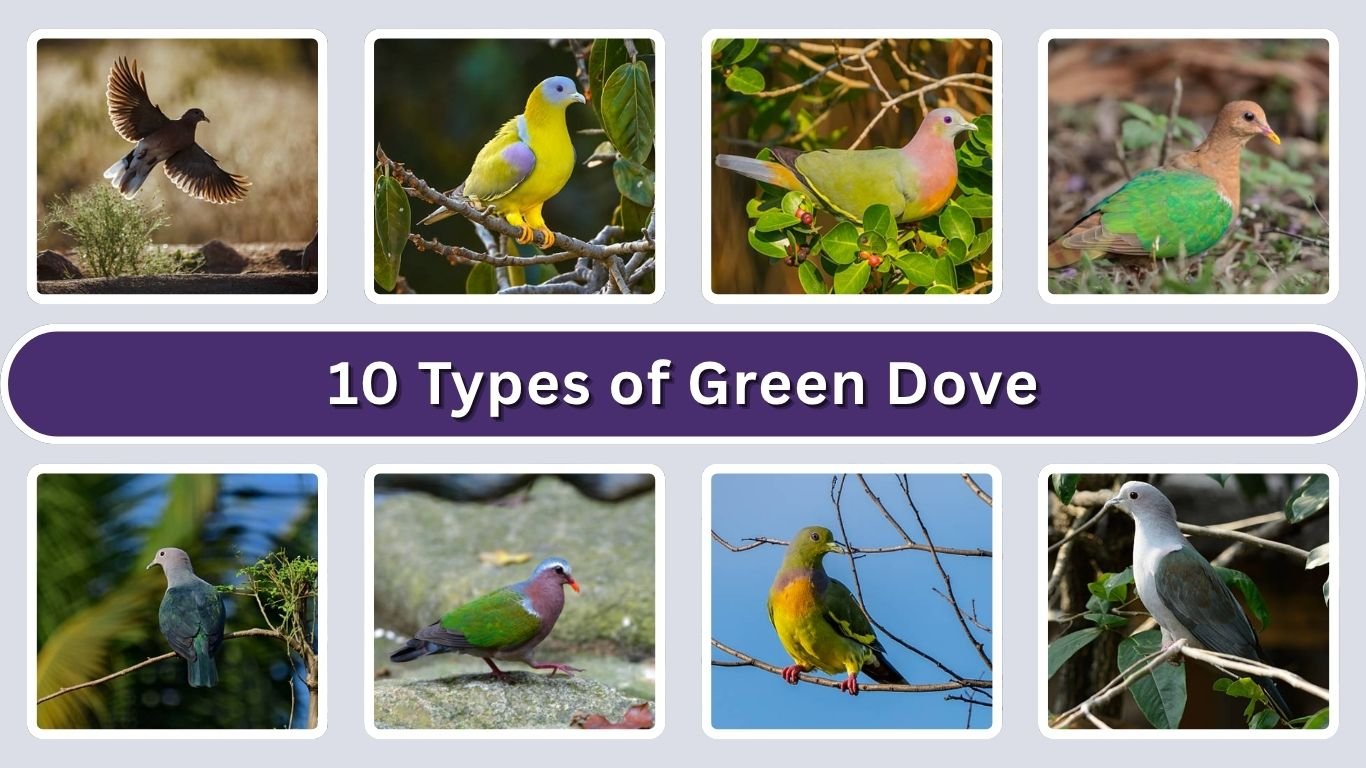
Green doves are beautiful and vibrant birds known for their soft green plumage and fruit-based diet. Found mainly in tropical and subtropical regions, these birds spend most of their time in trees, feeding on fruits and helping disperse seeds. Their calm behavior and colorful appearance make them popular among bird watchers. In this guide, you’ll discover 10 types of green doves, along with their unique features, habitats, and lifestyles.
1. Emerald Dove
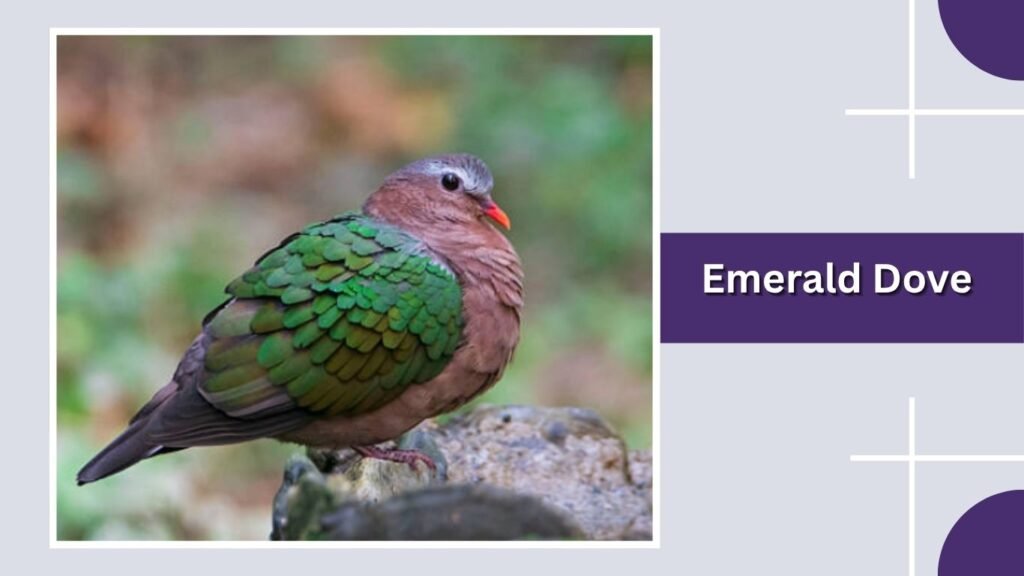
The Emerald Dove is a small yet striking bird known for its vivid green wings and peaceful behavior. It is widely distributed across South and Southeast Asia and is often associated with dense forests and shaded environments. Unlike many tree-dwelling doves, it frequently forages on the ground, making it easier to observe in quiet natural settings. Its gentle movements and soft coloration make it a favorite among bird watchers.
Identification
- Small to medium-sized dove with a compact, rounded body
- Bright emerald-green wings that shimmer in sunlight
- Warm brown head and underparts with smooth color blending
- Distinct white or pale forehead and eyebrow stripe
- Short tail with contrasting dark and pale tones
- Reddish bill and pinkish-red legs
- Dark eyes with a calm, soft expression
Habitat
The Emerald Dove prefers tropical and subtropical forests, especially areas with dense undergrowth and shaded ground. It is commonly found in woodland edges, bamboo thickets, and secondary forests. This species is also known to adapt to human-modified environments such as plantations, gardens, and parks, provided there is sufficient cover. It thrives in warm, humid climates and is widely distributed across countries like India, Bangladesh, Sri Lanka, and much of Southeast Asia. Access to water and dense vegetation is important, as these provide both food and protection from predators.
Behaviors
The Emerald Dove is primarily a ground forager, spending much of its time walking quietly through leaf litter in search of food. It is usually seen alone or in pairs and prefers staying in shaded, undisturbed areas. When alarmed, it takes a fast, direct flight, often with a noticeable whirring sound of wings, before settling on a low branch. It is generally shy but can become accustomed to human presence in quiet environments. Its call is soft and low, often heard during calm periods of the day.
Diet and Lifespan
The Emerald Dove mainly feeds on fallen fruits, seeds, and small invertebrates such as insects and snails. It forages carefully, picking food from the ground rather than from trees. This feeding behavior contributes to seed dispersal and helps maintain forest ecosystems. In the wild, the Emerald Dove typically lives around 5 to 8 years. Its lifespan can vary depending on habitat quality, availability of food, and exposure to predators, with individuals in safer environments potentially living longer.
2. Asian Emerald Dove
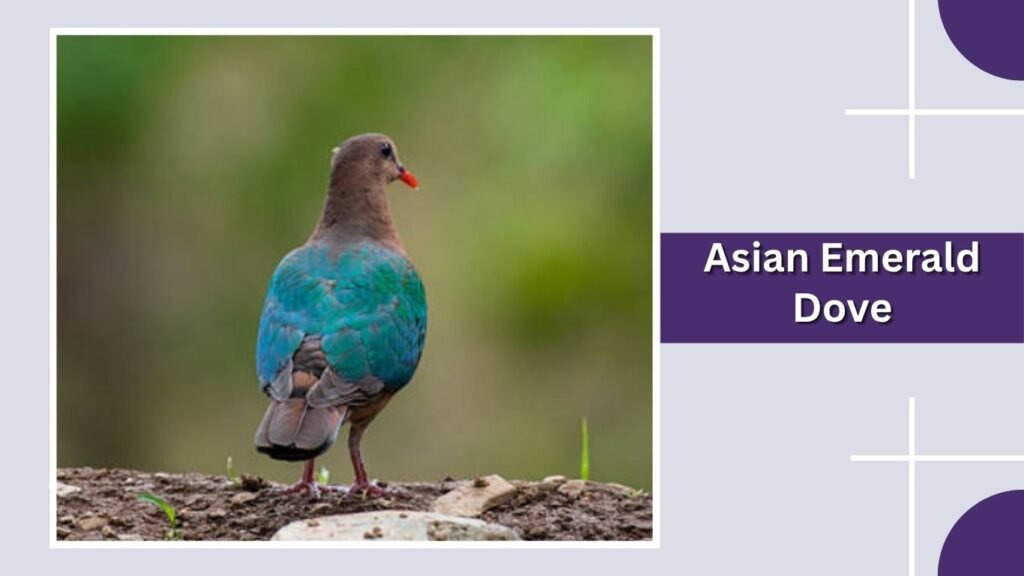
The Asian Emerald Dove is a close relative of the Emerald Dove and is admired for its bright green wings and calm, ground-dwelling nature. It is widely found across South and Southeast Asia and is often seen in forests and shaded areas where it quietly searches for food.
Identification
- Small to medium-sized dove with a compact body
- Bright metallic green wings that shine in sunlight
- Brownish head and underparts with smooth blending
- Pale gray or white forehead and facial markings
- Short tail with subtle contrast in color
- Reddish bill and pinkish legs
- Dark eyes with a gentle appearance
Habitat
The Asian Emerald Dove prefers dense tropical and subtropical forests, especially areas with thick undergrowth. It is commonly found in woodland edges, secondary forests, and bamboo thickets. This species also adapts to plantations, gardens, and parks if there is enough vegetation for cover. It thrives in warm and humid climates and is widely distributed across countries like India, Bangladesh, Thailand, and Indonesia. Access to water sources and shaded ground areas is important for its survival.
Behaviors
This dove spends much of its time on the forest floor, walking quietly while searching for food. It is usually seen alone or in pairs and avoids open spaces. When disturbed, it flies quickly with strong wingbeats and often lands on low branches. The Asian Emerald Dove is generally shy but can tolerate human presence in calm environments. It produces soft, low cooing sounds that are not easily heard from a distance.
Diet and Lifespan
The Asian Emerald Dove mainly feeds on seeds, fallen fruits, and small insects. It forages by carefully picking food from the ground, often among leaf litter. This behavior helps in seed dispersal and supports forest regeneration. Its lifespan in the wild is typically around 5 to 8 years, depending on environmental conditions, food availability, and predation.
3. Pacific Emerald Dove
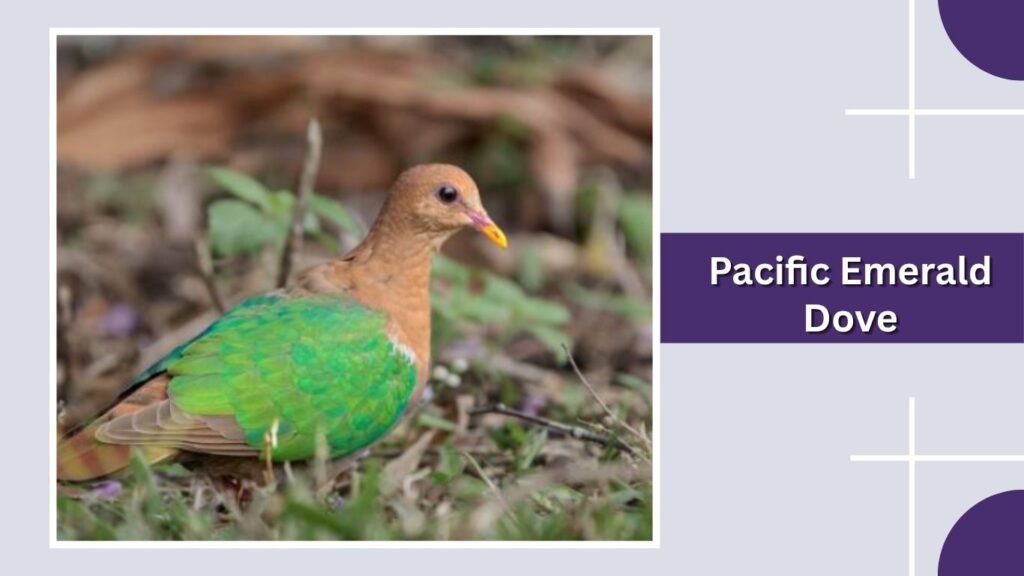
The Pacific Emerald Dove is a beautiful and adaptable bird found across many Pacific islands. Known for its shimmering green wings and gentle behavior, it is often seen in forested habitats as well as coastal areas. Its ability to live in a variety of environments makes it one of the more widespread emerald dove species.
Identification
- Small to medium-sized dove with a rounded, compact body
- Bright metallic green wings with a glossy appearance
- Brownish head and underparts with soft color blending
- Pale gray or whitish forehead and facial markings
- Short tail with subtle dark and light contrast
- Reddish bill and pinkish to red legs
- Dark, calm-looking eyes
Habitat
The Pacific Emerald Dove is commonly found in tropical forests, coastal woodlands, mangroves, and island habitats. It prefers areas with dense vegetation for shelter but can also be seen in gardens, plantations, and village surroundings. This species is widely distributed across Pacific islands, where it thrives in warm, humid climates. It often stays in areas close to water and prefers shaded ground for feeding and resting.
Behaviors
This dove spends most of its time on the ground, walking slowly and quietly while searching for food. It is usually seen alone or in pairs and tends to avoid open, exposed areas. When disturbed, it takes a quick, direct flight and often lands on a low branch or nearby cover. The Pacific Emerald Dove is generally calm and shy, producing soft cooing sounds that blend into its surroundings.
Diet and Lifespan
The Pacific Emerald Dove mainly feeds on fallen fruits, seeds, and small invertebrates such as insects. It forages carefully among leaf litter, playing a role in seed dispersal within its habitat. Its lifespan in the wild is estimated to be around 5 to 8 years, although this can vary depending on environmental conditions and predator presence.
4. Green Imperial Pigeon
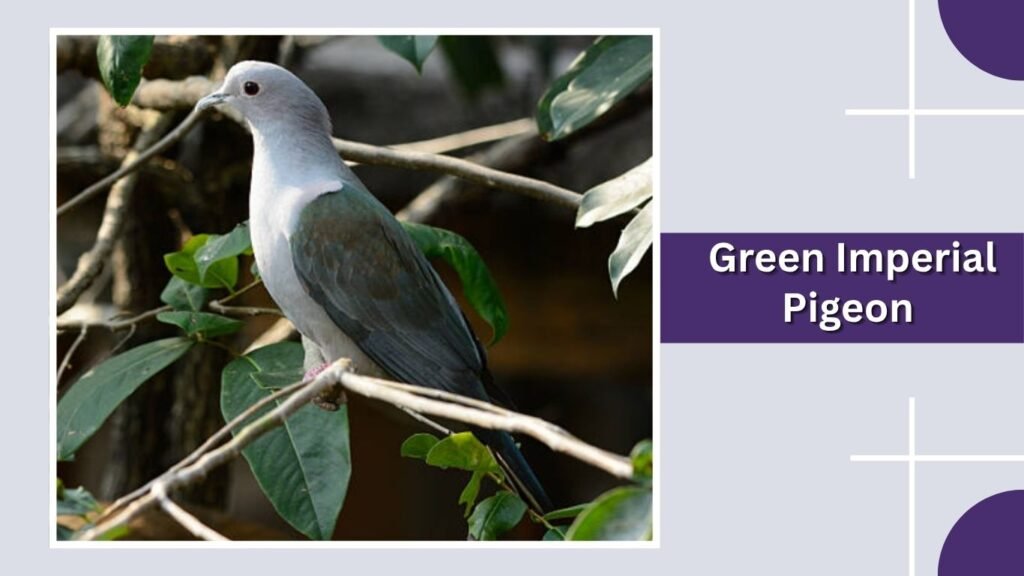
The Green Imperial Pigeon is a large and impressive dove known for its pale greenish plumage and strong presence in forest canopies. Unlike smaller green doves, this species spends most of its time high in trees and is often seen in groups feeding on fruits.
Identification
- Large, heavy-bodied pigeon with a strong build
- Pale greenish-gray upperparts with a smooth appearance
- Light gray to whitish head and neck
- Broad wings and a relatively long tail
- Strong, slightly curved bill adapted for fruit eating
- Dark eyes with a noticeable ring
- Overall clean and less patterned look compared to smaller doves
Habitat
The Green Imperial Pigeon is commonly found in tropical and subtropical forests, especially in lowland rainforests, coastal woodlands, and mangroves. It prefers tall trees where it can rest and feed safely. This species is widely distributed across South Asia, Southeast Asia, and parts of the Pacific. It may also visit plantations and large gardens if fruiting trees are available. Dense canopy cover and abundant fruit sources are essential for its survival.
Behaviors
This pigeon is mostly arboreal, spending nearly all its time in the canopy. It is often seen in small flocks, especially when feeding. The Green Imperial Pigeon flies strongly with steady wingbeats and can travel long distances in search of fruiting trees. It is generally quiet but may produce deep, low calls. Despite its size, it can be difficult to spot due to its calm and still behavior among foliage.
Diet and Lifespan
The Green Imperial Pigeon mainly feeds on fruits such as figs and large berries. It swallows fruits whole and plays a key role in seed dispersal across forests. This feeding habit makes it important for maintaining healthy ecosystems. Its lifespan in the wild is estimated to be around 6 to 10 years, depending on habitat conditions and availability of food.
5. Pink-necked Green Pigeon
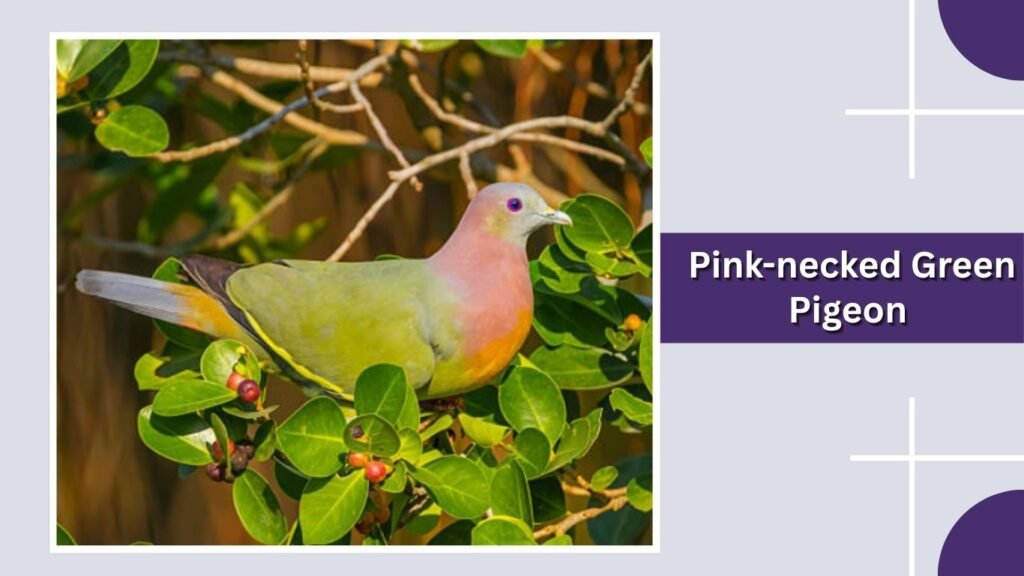
The Pink-necked Green Pigeon is a colorful and attractive bird known for its bright green body and the soft pink patch on the neck of males. It is commonly found in Southeast Asia and is often seen in both forests and urban areas with plenty of trees.
Identification
- Medium-sized bird with a plump, rounded body
- Bright green plumage covering most of the body
- Males have a distinct pink neck and upper chest patch
- Females are mostly green with less vivid coloration
- Yellowish underparts with smooth color blending
- Short tail and strong wings
- Pale bluish bill and dark eyes
Habitat
The Pink-necked Green Pigeon is commonly found in lowland forests, mangroves, gardens, and city parks. It prefers areas with abundant fruiting trees, which provide both food and shelter. This species is widely distributed across Southeast Asia, including countries like Malaysia, Indonesia, and Thailand. It adapts well to human presence and is often seen in urban environments where large trees are available. Warm, tropical climates with consistent food supply are ideal for its survival.
Behaviors
This bird spends most of its time in the tree canopy, rarely coming down to the ground. It is usually seen in small groups or pairs, quietly feeding or resting among branches. The Pink-necked Green Pigeon has a swift and direct flight, allowing it to move efficiently between trees. It is generally calm and not very vocal, producing soft, low calls.
Diet and Lifespan
The Pink-necked Green Pigeon mainly feeds on fruits, especially figs and berries. It plucks fruits directly from trees and swallows them whole. This species plays an important role in seed dispersal within its habitat. Its lifespan in the wild is typically around 5 to 10 years, depending on environmental conditions and food availability.
6. Orange-breasted Green Pigeon
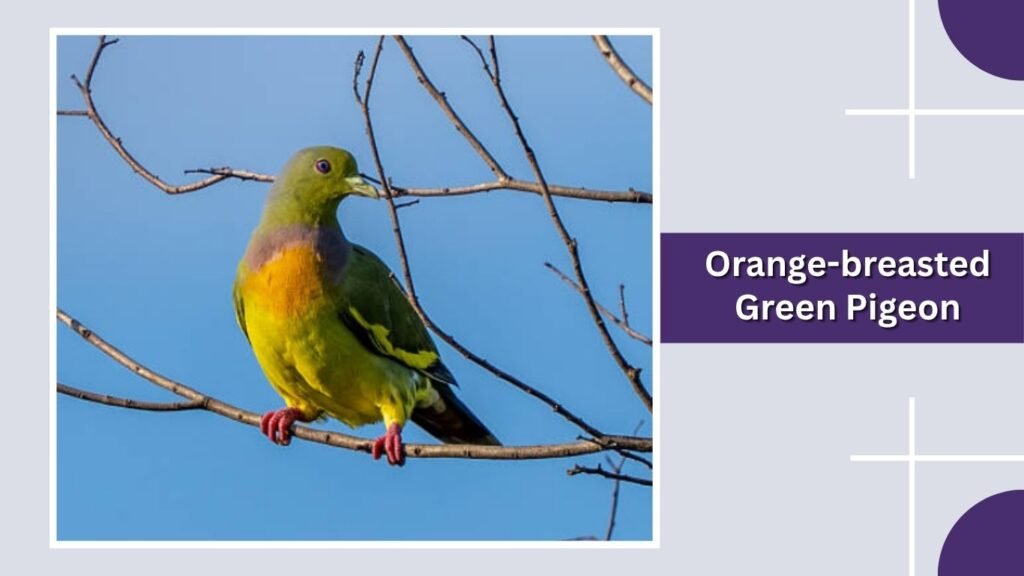
The Orange-breasted Green Pigeon is a small and colorful species known for its bright green body and distinctive orange breast. It is native to parts of Southeast Asia and is often found in forested areas where it blends well with foliage despite its vivid markings.
Identification
- Small to medium-sized bird with a compact body
- Bright green upperparts and wings
- Distinct orange or golden-orange patch on the breast
- Yellowish underparts blending smoothly with the orange
- Short tail and rounded wings
- Pale bill with dark, expressive eyes
- Overall vibrant yet well-camouflaged appearance
Habitat
The Orange-breasted Green Pigeon prefers tropical forests, woodland edges, and dense vegetation. It is commonly found in lowland forests and hilly regions where fruiting trees are abundant. This species is mainly distributed in Southeast Asia, including areas of Indonesia and surrounding islands. It thrives in warm, humid climates and generally avoids heavily urbanized environments, relying on natural forest cover for shelter and feeding.
Behaviors
This pigeon spends most of its time in the tree canopy, quietly moving among branches in search of food. It is usually seen alone or in small groups. The Orange-breasted Green Pigeon is calm and not very vocal, producing soft, low calls. Its flight is quick and direct, allowing it to travel efficiently between fruiting trees while staying hidden from predators.
Diet and Lifespan
The Orange-breasted Green Pigeon mainly feeds on fruits, berries, and figs. It plays an important role in seed dispersal, helping maintain healthy forest ecosystems. The bird plucks fruits directly from branches and swallows them whole. Its lifespan in the wild is estimated to be around 5 to 10 years, depending on environmental conditions and availability of food.
7. Yellow-footed Green Pigeon
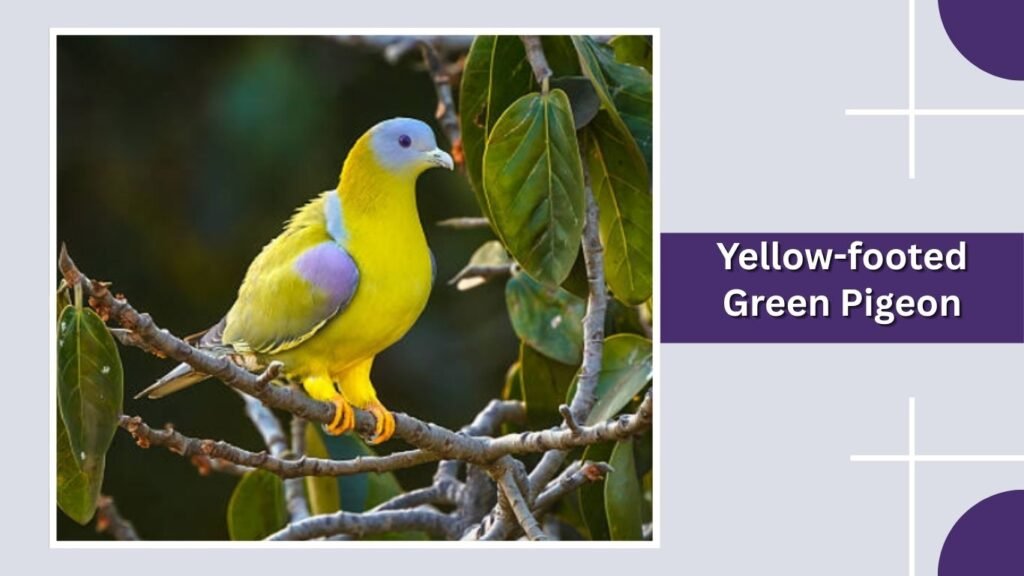
The Yellow-footed Green Pigeon is a well-known species in South Asia, especially recognized for its bright yellow legs and soft green plumage. It is commonly seen in groups and is often found in areas with abundant fruiting trees, making it a familiar bird in both rural and urban landscapes.
Identification
- Medium-sized bird with a plump, rounded body
- Soft green plumage covering most of the body
- Distinct bright yellow legs and feet
- Purple or maroon shoulder patch (more visible in males)
- Pale grayish head and neck
- Short tail and strong wings
- Light-colored bill with a bluish base
Habitat
The Yellow-footed Green Pigeon is commonly found in forests, woodlands, farmlands, and urban parks. It prefers areas with large fruiting trees such as fig and banyan trees. This species is widely distributed across South Asia, including India, Bangladesh, and Nepal. It adapts well to human environments and is often seen in city parks, gardens, and village areas where food is plentiful. Warm climates with access to trees and water are ideal for its survival.
Behaviors
This pigeon is highly social and is often seen in flocks, especially while feeding. It spends most of its time in the tree canopy and rarely comes down to the ground. The Yellow-footed Green Pigeon is calm and produces soft, whistling calls. It flies with steady wingbeats and can travel between feeding sites efficiently. Its group behavior makes it easier to spot compared to more solitary species.
Diet and Lifespan
The Yellow-footed Green Pigeon mainly feeds on fruits, particularly figs and berries. It plays a vital role in seed dispersal, supporting forest growth. The bird plucks fruits directly from branches and swallows them whole. Its lifespan in the wild is typically around 5 to 10 years, depending on habitat conditions, food availability, and environmental factors.
8. Thick-billed Green Pigeon
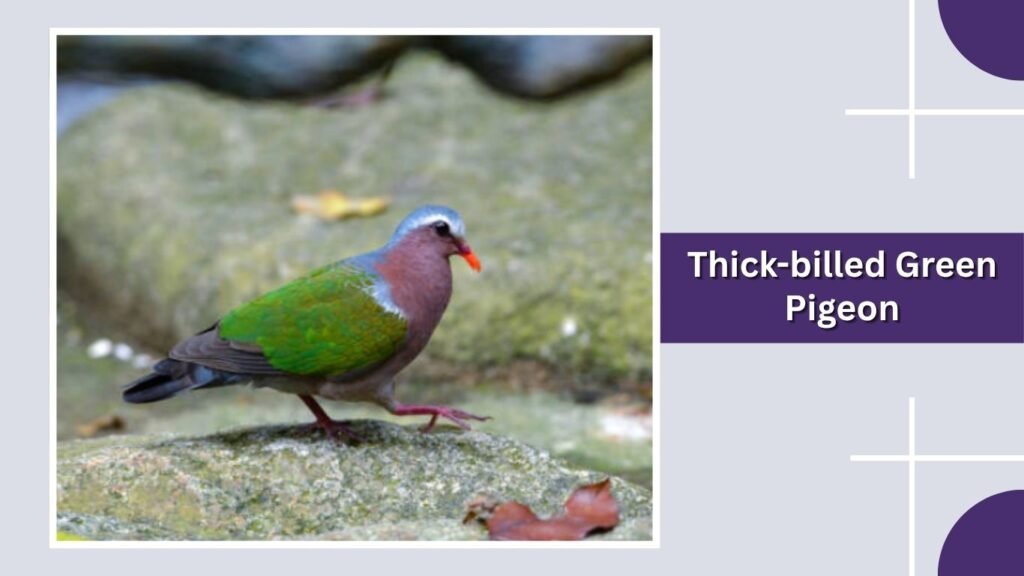
The Thick-billed Green Pigeon is a distinctive species known for its strong, heavy bill and soft green coloration. It is commonly found in Southeast Asia and is often seen in forested areas where fruiting trees are abundant.
Identification
- Medium-sized bird with a sturdy, compact body
- Soft green plumage with slight yellowish tones
- Thick, strong bill adapted for eating larger fruits
- Pale gray or greenish head and neck
- Short tail and broad wings
- Dark eyes with a noticeable, firm facial structure
- Subtle color variation between males and females
Habitat
The Thick-billed Green Pigeon prefers tropical and subtropical forests, especially lowland rainforests and woodland edges. It is commonly found in areas with dense tree cover and abundant fruit sources. This species is widely distributed across Southeast Asia, including regions of Indonesia, Malaysia, and Thailand. It thrives in warm, humid climates and may occasionally be seen in plantations and large gardens where fruiting trees are present.
Behaviors
This pigeon spends most of its time in the tree canopy, quietly feeding and resting among branches. It is usually seen alone or in small groups. The Thick-billed Green Pigeon is calm and not very vocal, producing soft cooing sounds. Its flight is steady and direct, allowing it to move between feeding areas efficiently. It tends to remain still for long periods, making it harder to spot.
Diet and Lifespan
The Thick-billed Green Pigeon mainly feeds on fruits, especially larger berries and figs that require a stronger bill to consume. It plays an important role in seed dispersal within its habitat. The bird picks fruits directly from trees and swallows them whole. Its lifespan in the wild is estimated to be around 5 to 10 years, depending on environmental conditions and food availability.
9. Sri Lanka Green Pigeon
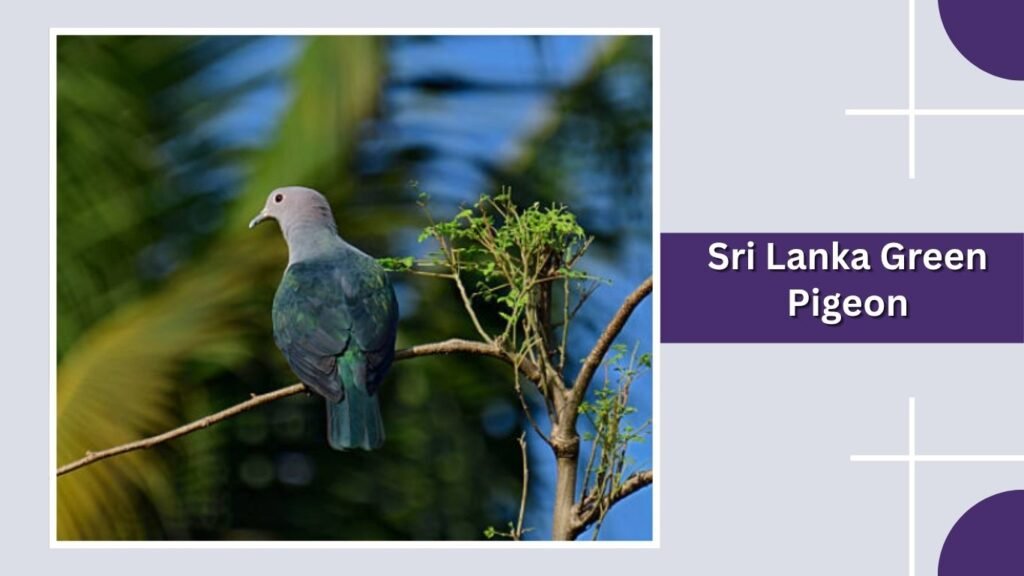
The Sri Lanka Green Pigeon is a unique and attractive species native to Sri Lanka. It is known for its soft green coloration and subtle yet elegant appearance. This bird is often found in forested areas and is well adapted to its tropical island environment.
Identification
- Medium-sized bird with a plump, rounded body
- Soft green plumage with a slightly yellowish tone
- Pale gray head and neck
- Subtle maroon or purple shoulder patch in males
- Short tail and smooth, compact wings
- Light-colored bill with a bluish base
- Bright eyes that stand out against the soft body color
Habitat
The Sri Lanka Green Pigeon is mainly found in tropical forests, woodlands, and cultivated areas across Sri Lanka. It prefers regions with dense tree cover and abundant fruiting trees. This species is commonly seen in lowland forests but can also be found in hilly and rural areas. It adapts well to gardens and plantations where food is available. Warm, humid climates with access to water and trees are essential for its survival.
Behaviors
This pigeon is generally calm and often seen in small groups or pairs. It spends most of its time in the canopy, quietly feeding or resting among branches. The Sri Lanka Green Pigeon produces soft, whistling calls that are not very loud. It flies with steady wingbeats and can move efficiently between feeding sites. Its quiet nature and ability to blend into foliage make it somewhat difficult to spot.
Diet and Lifespan
The Sri Lanka Green Pigeon mainly feeds on fruits, especially figs and berries. It plays an important role in seed dispersal, helping maintain forest ecosystems. The bird plucks fruits directly from trees and swallows them whole. Its lifespan in the wild is estimated to be around 5 to 10 years, depending on environmental conditions and food availability.
10. African Green Pigeon
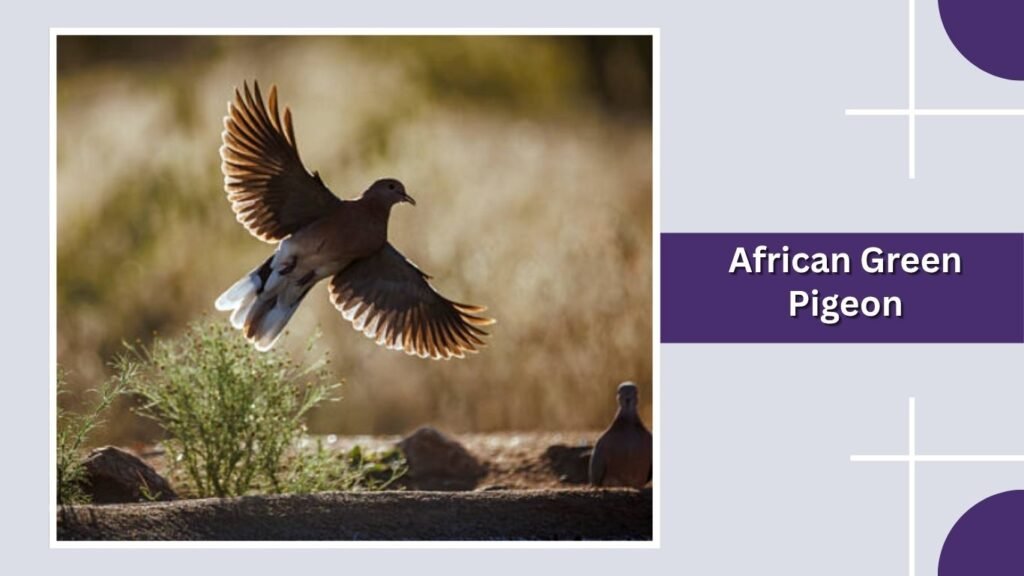
The African Green Pigeon is a widespread and social bird found across sub-Saharan Africa. It is known for its soft green plumage and its habit of gathering in groups around fruiting trees. This species plays an important role in forest ecosystems through seed dispersal.
Identification
- Medium-sized bird with a plump, rounded body
- Olive-green plumage with a slightly yellowish tone
- Pale gray head and neck
- Maroon or purplish shoulder patches (more visible in males)
- Short tail and strong wings
- Light-colored bill with a bluish base
- Bright, pale eyes that stand out against the face
Habitat
The African Green Pigeon is commonly found in woodlands, savannas, riverine forests, and cultivated areas. It prefers habitats with tall trees and abundant fruit sources. This species is widely distributed across sub-Saharan Africa and adapts well to both natural and human-modified environments. It is often seen near villages, farms, and gardens where fruiting trees are available. Access to water and shaded areas is important for its daily activities.
Behaviors
This pigeon is highly social and is often seen in flocks, especially when feeding. It spends most of its time in the canopy and rarely comes down to the ground. The African Green Pigeon is known for its soft, whistling calls. It flies with steady wingbeats and can travel between feeding areas in groups. Its calm nature and group behavior make it easier to observe compared to more solitary species.
Diet and Lifespan
The African Green Pigeon mainly feeds on fruits, particularly figs and berries. It plays a key role in seed dispersal, helping maintain healthy ecosystems. The bird plucks fruits directly from branches and swallows them whole. Its lifespan in the wild is typically around 5 to 10 years, depending on habitat conditions, food availability, and environmental factors.
FAQs
What is a green dove?
A green dove is a type of pigeon known for its green-colored plumage, which helps it blend into trees and foliage. Most green doves are fruit-eating birds and spend a large amount of time in the canopy, especially in tropical and subtropical regions.
Where are green doves found?
Green doves are mainly found in Asia, Africa, and parts of the Pacific. They prefer forests, woodlands, and areas with plenty of fruiting trees. Some species also adapt to gardens, farms, and urban parks where food is available.
What do green doves eat?
Green doves primarily feed on fruits such as figs, berries, and small soft fruits. They swallow fruits whole and help disperse seeds across forests. Occasionally, they may eat small insects, but fruits make up most of their diet.
Are green doves social birds?
Many green dove species are social and can be seen in pairs or small flocks, especially while feeding. However, some species are more solitary. Their behavior often depends on food availability and the type of habitat they live in.
How long do green doves live?
Green doves typically live between 5 to 10 years in the wild. Their lifespan depends on factors like habitat quality, food availability, and predation. In protected environments with fewer threats, they may live longer.
