
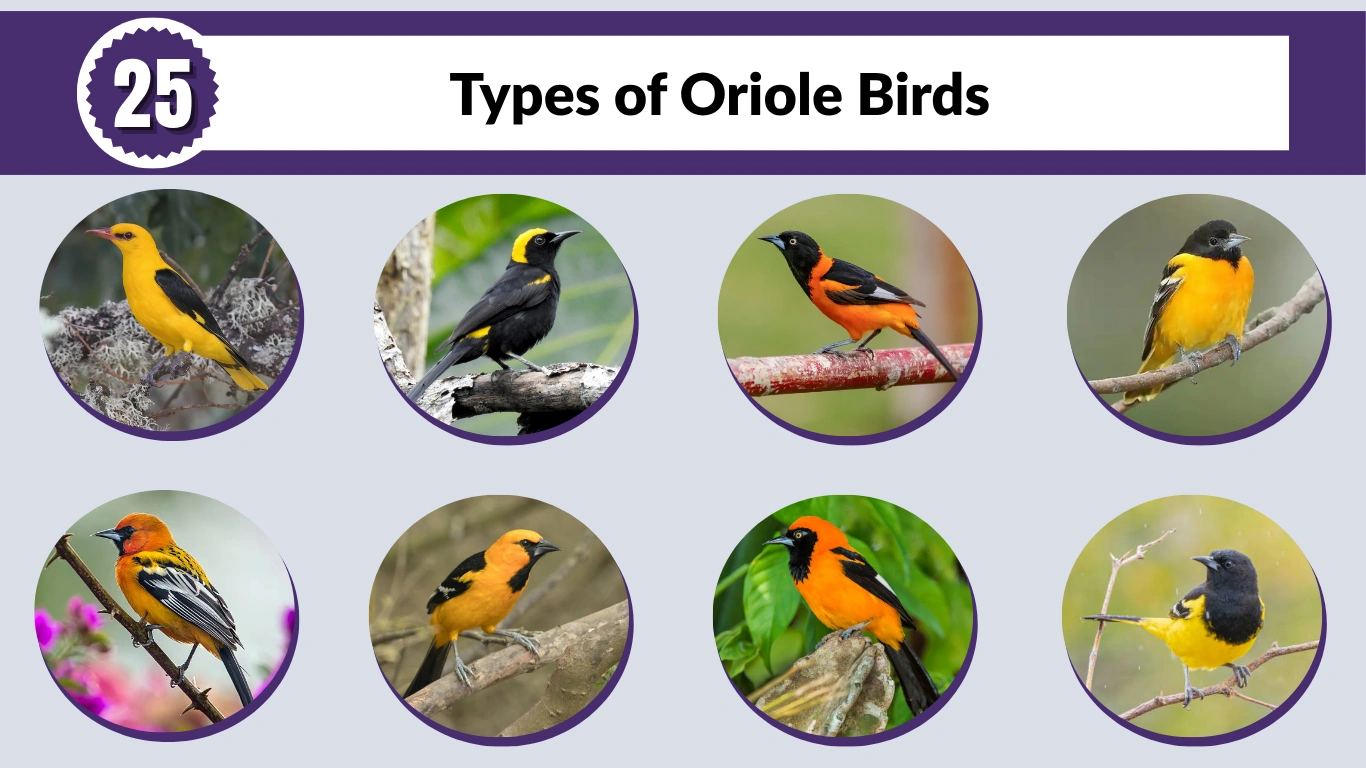
Orioles are among the most colorful and fascinating songbirds in the world, admired for their bright plumage and beautiful melodies. Found across different regions, these birds thrive in a variety of habitats, from forests to urban gardens. Each species has unique features, behaviors, and adaptations that make them special. In this guide, you’ll discover 25 types of orioles, along with their identification, habitat, behavior, and lifecycle, helping you better understand and appreciate these remarkable birds.
1. Baltimore Oriole
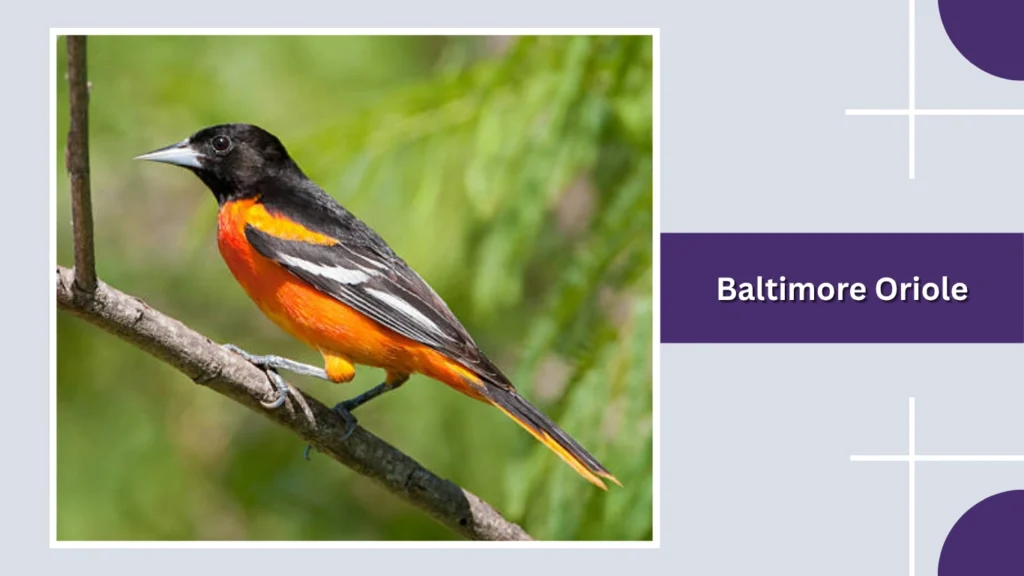
The Baltimore Oriole is a vibrant and eye-catching songbird widely recognized for its brilliant orange and black coloration. It is commonly found across North America, especially during the breeding season. This bird is not only admired for its beauty but also for its rich, flute-like song that adds charm to its surroundings. Baltimore Orioles are often seen visiting backyards, especially where fruit or nectar feeders are available, making them a favorite among birdwatchers and nature enthusiasts.
Identification
- Bright orange underparts with a black head and back (male)
- Distinct white wing bars on black wings
- Slender, slightly curved, pointed bill
- Female appears duller with yellow-orange and gray tones
- Medium-sized bird with a length of about 17–22 cm
- Long, slightly rounded tail
Habitat
Baltimore Orioles prefer open woodlands, deciduous forests, and forest edges. They are commonly found in parks, gardens, and suburban areas where large shade trees are present. These birds are especially attracted to areas near rivers, streams, or wetlands, where food sources are abundant. During migration, they may pass through a variety of habitats, including orchards and open countryside. Their adaptability allows them to thrive in both natural and human-influenced environments.
Behaviors
Baltimore Orioles are highly active and agile birds. They are often seen foraging among tree branches, sometimes hanging upside down to reach food. They are also known for their remarkable nest-building skills, creating intricate, hanging pouch nests woven from plant fibers, grasses, and even man-made materials. These birds are territorial during breeding season and use their melodious songs to communicate and defend their space. They are generally solitary or seen in pairs rather than large groups.
Diet and Lifecycle
Their diet mainly consists of insects, fruits, and nectar. They feed on caterpillars, beetles, and other small insects, which helps control pest populations. They are also attracted to sweet foods like berries and orange slices. During the breeding season, females build the nest and lay around 3–7 eggs. Incubation lasts about two weeks, and both parents help feed the chicks. After fledging, the young birds gradually learn to forage before migrating south for the winter.
2. Bullock’s Oriole
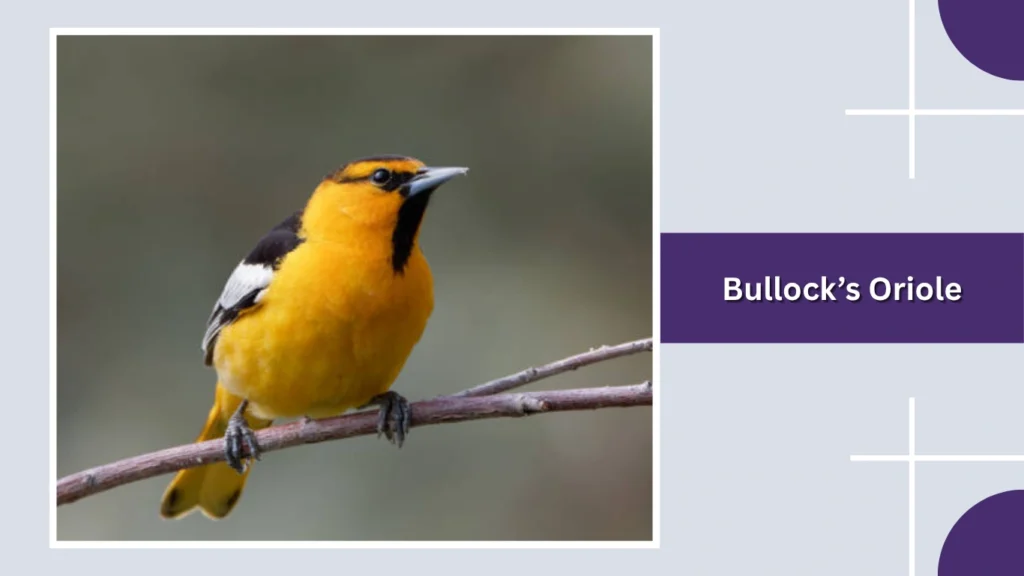
Bullock’s Oriole is a colorful songbird native to western North America. It is known for its bright orange, black, and white markings, making it easy to spot in open landscapes. Named after English naturalist William Bullock, this species is often seen in parks, river valleys, and suburban areas. Its cheerful whistling song and active behavior make it a delightful presence in its habitat, especially during the breeding season.
Identification
- Bright orange face and underparts (male)
- Black crown, back, and throat
- Bold white wing patches and wing bars
- Thin black line through the eye
- Female is duller with yellowish-orange tones
- Slender, pointed bill and medium body size
Habitat
Bullock’s Orioles prefer open woodlands, especially areas with cottonwood, willow, or other deciduous trees. They are commonly found along rivers, in orchards, and in suburban neighborhoods with scattered trees. Unlike some forest-dwelling birds, they favor more open and semi-arid environments. During migration, they may be seen in a variety of habitats, including gardens and shrublands, as they travel between breeding and wintering grounds.
Behaviors
These orioles are active and social birds, often seen moving quickly through tree canopies in search of food. They are known for weaving hanging nests, similar to Baltimore Orioles, though often slightly less elaborate. Males sing to attract mates and defend territory. Bullock’s Orioles may also visit feeders, especially those offering nectar or fruit. They can sometimes be observed interacting with other bird species, though they maintain their own nesting territories.
Diet and Lifecycle
Their diet includes insects, berries, and nectar. They play a helpful role in controlling insect populations by feeding on caterpillars, beetles, and other small insects. During breeding season, the female builds a hanging nest and lays about 3–6 eggs. Incubation lasts around two weeks, and both parents participate in feeding the young. After fledging, juveniles remain with their parents for a short period before becoming independent and eventually migrating south.
3. Orchard Oriole
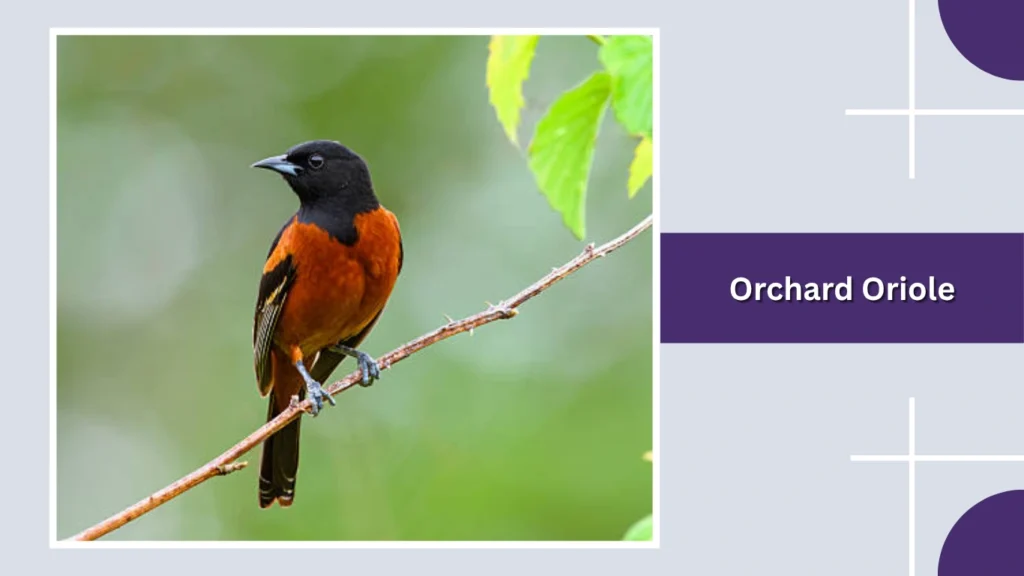
The Orchard Oriole is the smallest of the North American orioles and is known for its rich chestnut and black coloration in males. It is commonly found in open areas with scattered trees, especially orchards, which is how it got its name. This species is often overlooked due to its smaller size and more subdued coloring compared to other orioles, but it has a sweet, musical song that makes it a pleasant addition to its environment.
Identification
- Male has deep chestnut (dark orange-brown) underparts with a black head and back
- Female is yellow-green with no black coloration
- Two faint white wing bars
- Slim, pointed bill
- Smaller size compared to other orioles (about 15–18 cm)
- Juveniles resemble females
Habitat
Orchard Orioles prefer open woodlands, orchards, river edges, and farmlands with scattered trees. They are commonly found in gardens, parks, and areas with flowering trees. These birds tend to avoid dense forests, instead favoring habitats where trees are spaced apart. During migration, they may appear in a variety of environments, including shrublands and coastal areas, as they travel to and from their wintering grounds in Central and South America.
Behaviors
These orioles are active and often forage in the upper parts of trees. They are known for their quick movements and soft, warbling songs. Males arrive earlier in the breeding season to establish territory. Orchard Orioles build hanging nests similar to other orioles but often place them lower in trees. They are generally less aggressive than other oriole species and may nest in closer proximity to others of their kind.
Diet and Lifecycle
Their diet includes insects, nectar, and fruits. They frequently feed on caterpillars, beetles, and other small insects, especially during breeding season. They also visit flowers for nectar. The female builds a small hanging nest and lays around 3–7 eggs. Incubation lasts about 12–14 days, and both parents help care for the chicks. After fledging, the young birds gradually learn to forage before migrating south earlier than many other oriole species.
4. Scott’s Oriole
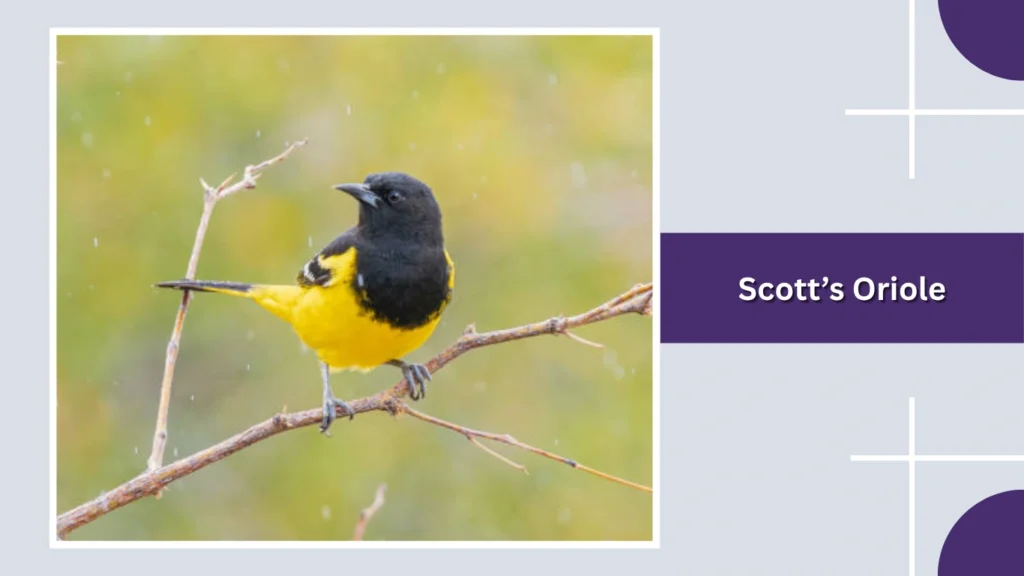
Scott’s Oriole is a striking bird of arid regions in the southwestern United States and Mexico. Known for its bold yellow and black coloration, this species is often associated with desert landscapes and yucca plants. Its clear, whistling song carries across dry habitats, making it easier to detect even when hidden among vegetation. Scott’s Oriole is well adapted to harsh environments and is a unique member of the oriole family.
Identification
- Bright yellow underparts with black head, back, and wings (male)
- Distinct white wing patches
- Long, slightly curved bill
- Female is duller with grayish-yellow tones
- Medium size with a slender body
- Often seen perched upright on yucca stalks
Habitat
Scott’s Orioles prefer arid and semi-arid habitats such as deserts, scrublands, and open mountain slopes. They are strongly associated with yucca plants, which they use for nesting. These birds are commonly found in rocky areas with scattered vegetation, especially in regions with agave and yucca growth. During migration, they may pass through more varied habitats, but they remain closely tied to dry, open landscapes throughout most of their lives.
Behaviors
These orioles are well adapted to desert life and are often seen moving through yucca and agave plants in search of food. They are skilled nest builders, weaving fibers directly onto yucca leaves to create sturdy, hanging nests. Scott’s Orioles are generally solitary or found in pairs, especially during breeding season. Their loud, musical whistles are used for communication and territory defense, and they tend to be more secretive than some other oriole species.
Diet and Lifecycle
Their diet mainly includes insects, nectar, and fruits. They feed on beetles, grasshoppers, and caterpillars, as well as nectar from desert flowers. The female builds a nest, often attached to yucca leaves, and lays about 3–5 eggs. Incubation lasts around two weeks. Both parents help feed the chicks after hatching. Once the young fledge, they gradually learn to forage independently before dispersing or migrating to suitable seasonal habitats.
5. Hooded Oriole
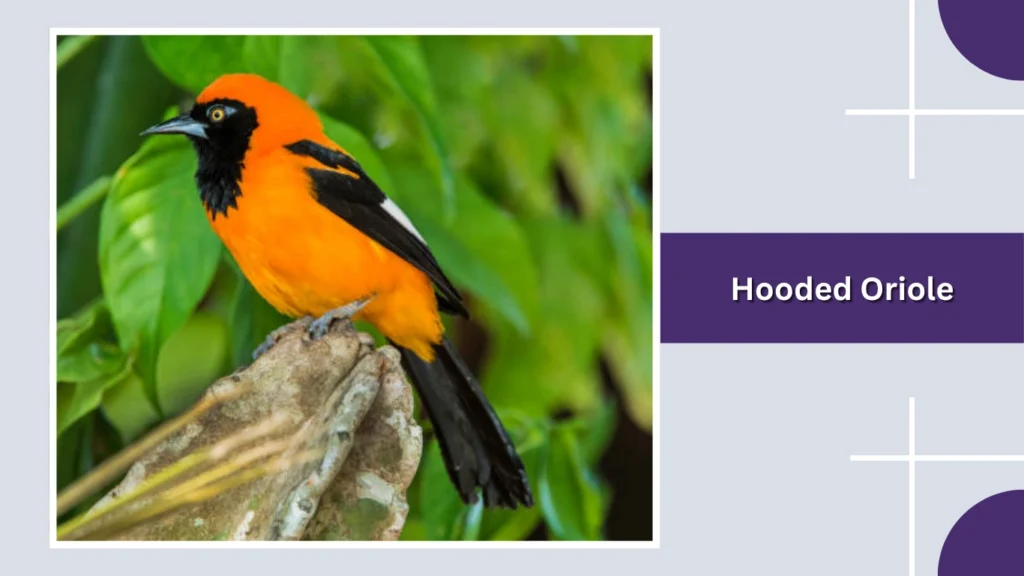
The Hooded Oriole is a beautifully colored bird commonly found in the southwestern United States and Mexico. It is known for its bright orange-yellow body and distinctive black “hood” on the face and throat. This species is often associated with palm trees and urban areas, making it a frequent visitor to gardens and parks. Its soft whistles and active nature make it a charming bird to observe.
Identification
- Bright orange to yellow body (male)
- Black face, throat, and upper chest forming a “hood”
- Black wings with white wing bars
- Slightly curved, slender bill
- Female is duller yellow with grayish wings
- Medium-sized bird with a sleek appearance
Habitat
Hooded Orioles prefer open woodlands, gardens, and urban areas with palm trees. They are commonly found in desert regions, especially where human landscaping provides suitable nesting sites. These birds are strongly associated with palm trees, often choosing them for nesting. During migration, they may also be seen in a variety of habitats, including scrublands and river valleys, but they tend to stay in warm, dry environments.
Behaviors
These orioles are active and often seen moving through trees in search of food. They are skilled nest builders, weaving hanging nests that are often attached to palm fronds. Hooded Orioles are known for their gentle, whistling songs and are less aggressive compared to some other species. They frequently visit feeders, especially those offering nectar, and can adapt well to human presence in suburban areas.
Diet and Lifecycle
Their diet consists of insects, nectar, and fruits. They are especially fond of nectar and are often seen feeding from flowers or feeders. They also eat small insects like beetles and caterpillars. The female builds a hanging nest and lays about 3–5 eggs. Incubation takes around two weeks, and both parents help raise the chicks. After fledging, the young birds gradually become independent before migrating or settling into nearby habitats.
6. Altamira Oriole
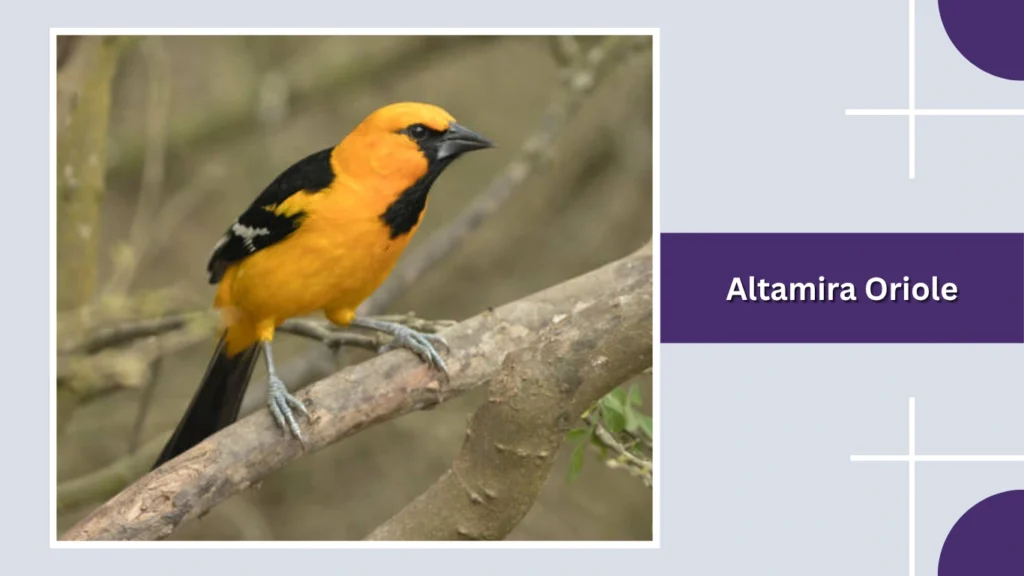
The Altamira Oriole is one of the largest oriole species and is known for its bold orange and black coloration. It is commonly found in parts of Central America and the southern regions of North America. This species is especially notable for building large, hanging nests that can be quite long and visible from a distance. Its loud, whistling calls make it easy to detect in its habitat.
Identification
- Bright orange body with black back, wings, and tail
- Distinct black mask through the eyes
- Thick, slightly curved bill
- Large size compared to other orioles
- White wing bars visible on dark wings
- Both sexes appear similar in coloration
Habitat
Altamira Orioles prefer open woodlands, forest edges, and areas with scattered trees. They are commonly found near rivers, plantations, and rural landscapes. These birds are often seen in semi-open habitats rather than dense forests. They adapt well to human-altered environments, including farmlands and villages, as long as there are tall trees available for nesting and feeding.
Behaviors
These orioles are active and often seen in pairs or small groups. They are known for constructing long, hanging nests that can reach up to several feet in length. Altamira Orioles are vocal birds, using loud whistles and calls to communicate and defend territory. They tend to stay in the upper canopy and are less likely to come to the ground. Their movements are steady and deliberate as they search for food among branches.
Diet and Lifecycle
Their diet includes insects, fruits, and nectar. They feed on a variety of insects such as caterpillars and beetles, as well as ripe fruits and flower nectar. The female builds the nest, and typically 3–5 eggs are laid. Incubation lasts about two weeks, and both parents help feed and care for the young. After fledging, juveniles remain with the parents briefly before becoming independent.
7. Audubon’s Oriole
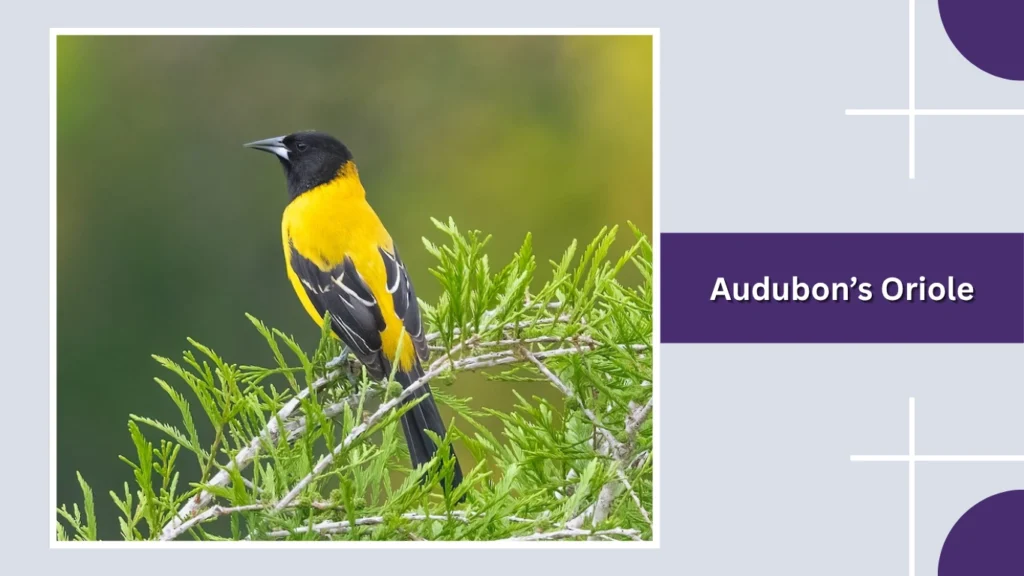
Audubon’s Oriole is a striking bird with a more subtle but elegant color pattern compared to other orioles. It is primarily found in southern Texas and parts of northeastern Mexico. Unlike many migratory orioles, this species is mostly non-migratory, staying in its range year-round. Its rich yellow and black plumage and melodic whistling song make it a distinctive presence in dense woodlands.
Identification
- Bright yellow body with black hood and upper chest
- Black wings and tail with minimal white markings
- Thick, slightly curved bill
- Both sexes look similar in coloration
- Medium-sized with a sturdy build
- Lacks prominent wing bars compared to other orioles
Habitat
Audubon’s Orioles prefer dense woodlands, thorn forests, and brushy areas, especially near rivers and streams. They are commonly found in subtropical regions with thick vegetation, where they can remain well hidden. Unlike many other orioles, they favor more closed habitats rather than open spaces. They may also be seen in wooded residential areas where suitable cover and food sources are available.
Behaviors
These orioles are more secretive than many of their relatives. They often stay hidden within dense foliage and are more often heard than seen. Their whistling calls are clear and far-reaching. Audubon’s Orioles are usually found in pairs and are less likely to gather in large groups. They move slowly and deliberately while foraging, often exploring branches and leaves carefully for food.
Diet and Lifecycle
Their diet consists mainly of insects, fruits, and nectar. They feed on caterpillars, beetles, and other small invertebrates, along with berries and nectar from flowers. The female builds a hanging nest, usually well concealed in dense vegetation, and lays about 3–5 eggs. Incubation lasts roughly two weeks, and both parents participate in feeding the chicks. The young birds remain dependent for a short time after leaving the nest before becoming independent.
8. Streak-backed Oriole
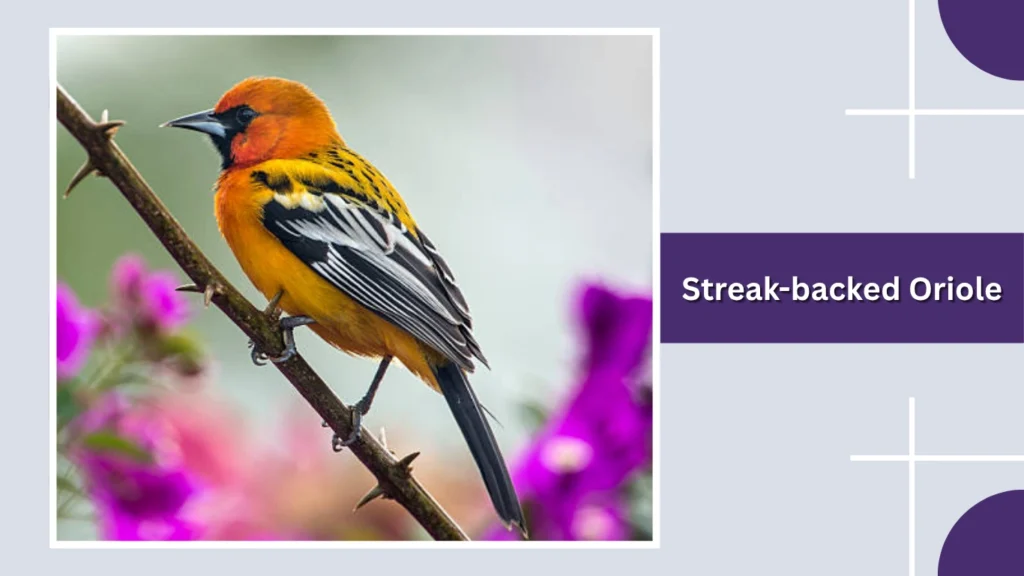
The Streak-backed Oriole is a distinctive and beautifully patterned bird found mainly in western Mexico. It is easily recognized by the black streaks on its orange back, which set it apart from most other orioles. This species often lives in both natural and human-influenced environments, and its loud, varied calls make it noticeable in its range.
Identification
- Bright orange body with bold black streaks on the back
- Black face and throat
- Black wings with white wing bars
- Slender, pointed bill
- Medium-sized bird with a slightly elongated body
- Both sexes appear similar in coloration
Habitat
Streak-backed Orioles are commonly found in open woodlands, forest edges, and tropical deciduous forests. They also adapt well to human environments such as gardens, plantations, and villages. These birds prefer areas with scattered trees and plenty of food sources. They are often seen in coastal regions and lowland areas, where the climate is warm and vegetation is abundant.
Behaviors
These orioles are active and often seen in small groups or pairs. They are known for their loud, varied vocalizations, which include whistles and chatters. Streak-backed Orioles build long, hanging nests that sway from tree branches. They are social compared to some other orioles and may forage alongside other bird species. Their movements are energetic as they search through foliage for food.
Diet and Lifecycle
Their diet includes insects, fruits, and nectar. They feed on a wide range of insects such as caterpillars and beetles, as well as berries and flower nectar. The female typically builds the nest and lays around 3–5 eggs. Incubation lasts about two weeks. Both parents help feed the chicks, and after fledging, the young birds stay nearby for a short time before becoming independent.
9. Spot-breasted Oriole
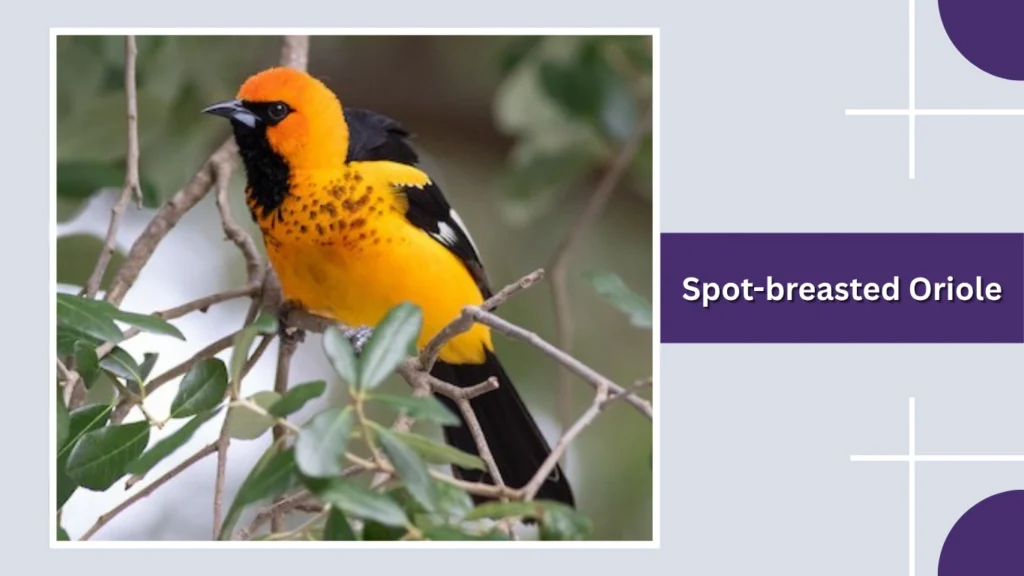
The Spot-breasted Oriole is a striking bird known for its bright orange coloration and distinctive black spotting on its chest. Native to parts of Central America, it has also established populations in southern Florida. This species is popular among bird enthusiasts due to its bold appearance and adaptability to urban environments, where it often visits gardens and feeders.
Identification
- Bright orange head and body
- Black throat and upper chest with bold black spots on the breast
- Black wings with white wing bars
- Slender, slightly curved bill
- Both sexes have similar coloration
- Medium-sized with a smooth, sleek appearance
Habitat
Spot-breasted Orioles prefer open woodlands, forest edges, gardens, and urban areas. They are commonly found in tropical and subtropical regions with scattered trees. In introduced areas like Florida, they thrive in residential neighborhoods, parks, and landscaped environments. These birds favor habitats where fruiting trees and flowering plants are abundant, providing both food and nesting sites.
Behaviors
These orioles are active and often seen moving through trees or visiting feeders. They are known for their loud and varied calls, which include whistles and chatters. Spot-breasted Orioles build hanging nests similar to other orioles, often placing them in palms or tall trees. They are relatively tolerant of human presence and can become regular visitors in areas where food is available.
Diet and Lifecycle
Their diet includes insects, fruits, and nectar. They frequently feed on berries, bananas, and citrus fruits, as well as small insects like caterpillars and beetles. The female builds a hanging nest and lays about 3–5 eggs. Incubation lasts around two weeks, and both parents help feed the chicks. After fledging, the young birds stay with the parents briefly before becoming independent.
10. Black-vented Oriole
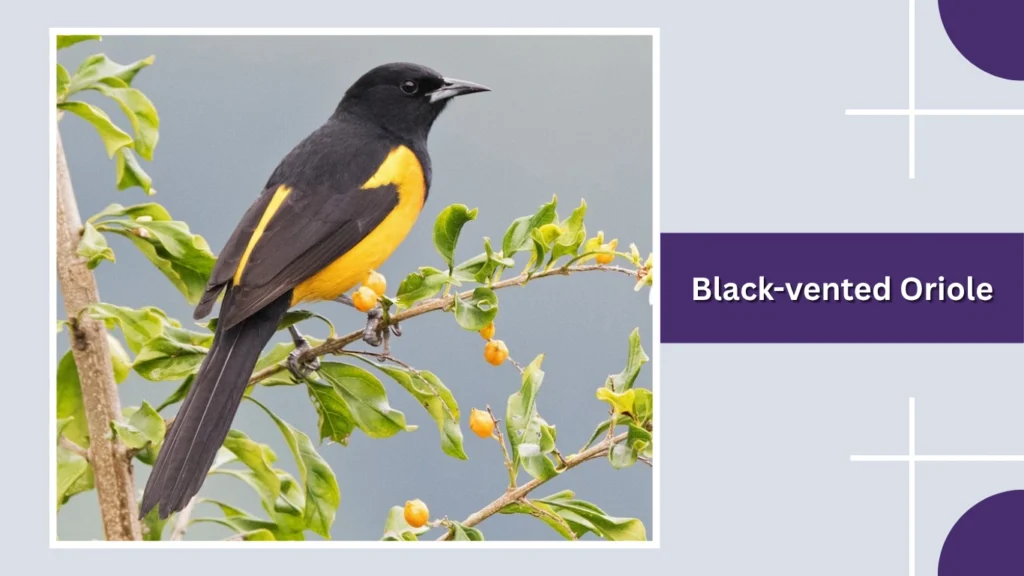
The Black-vented Oriole is a bright and attractive bird found mainly in Mexico and parts of Central America. It is known for its vivid yellow-orange body contrasted with black markings, especially around the vent area. This species is commonly seen in open habitats and is appreciated for its musical calls and adaptability to both natural and human-influenced environments.
Identification
- Bright yellow to orange body
- Distinct black vent (under-tail area)
- Black wings with white wing bars
- Slender, slightly curved bill
- Black mask or face markings
- Medium-sized with a sleek body
Habitat
Black-vented Orioles prefer open woodlands, forest edges, scrublands, and semi-arid regions. They are often found in areas with scattered trees, including farmlands, gardens, and suburban environments. These birds adapt well to human presence and can frequently be seen in towns and villages where fruiting trees are available. They tend to favor warm climates and are commonly found in lowland regions.
Behaviors
These orioles are active and social birds, often seen in pairs or small groups. They move quickly through trees while foraging and are known for their melodious whistles and calls. Black-vented Orioles build hanging nests similar to other oriole species, usually placing them high in trees. They are relatively bold and may approach feeders, especially those offering fruit or nectar.
Diet and Lifecycle
Their diet consists of insects, fruits, and nectar. They feed on caterpillars, beetles, and other small insects, as well as berries and flower nectar. The female constructs a hanging nest and lays about 3–5 eggs. Incubation lasts roughly two weeks, and both parents help feed and care for the chicks. After fledging, the young birds gradually become independent while staying close to suitable feeding areas.
11. Yellow-backed Oriole
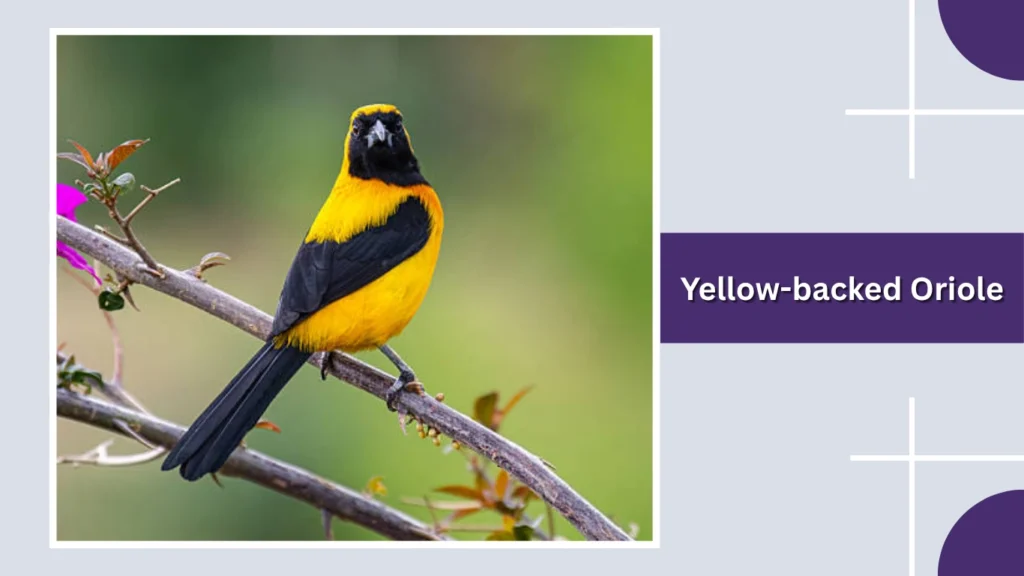
The Yellow-backed Oriole is a bright and striking bird found in parts of Central and South America. It is easily recognized by its vibrant yellow back and contrasting black head and wings. This species is often seen in open areas and is known for its clear, whistling calls. Its bold coloration and active behavior make it a noticeable presence in its natural habitat.
Identification
- Bright yellow back and underparts
- Black head, throat, wings, and tail
- Distinct contrast between yellow body and black upperparts
- Slender, slightly curved bill
- Both sexes appear similar
- Medium-sized with a streamlined body
Habitat
Yellow-backed Orioles prefer open woodlands, forest edges, savannas, and areas with scattered trees. They are commonly found in tropical and subtropical regions, including farmlands and rural landscapes. These birds often inhabit lowland areas where food sources such as fruits and insects are abundant. They may also be seen in plantations and lightly wooded urban areas.
Behaviors
These orioles are active and often seen foraging in pairs or small groups. They move quickly through tree branches in search of food and are known for their clear, melodious whistles. Yellow-backed Orioles build hanging nests that are suspended from tree branches, similar to other orioles. They are generally social but maintain some territorial behavior during the breeding season.
Diet and Lifecycle
Their diet includes insects, fruits, and nectar. They feed on caterpillars, beetles, and other small insects, along with berries and nectar from flowers. The female builds a hanging nest and lays around 3–5 eggs. Incubation lasts about two weeks, and both parents help feed the chicks. After fledging, the young birds remain with the parents briefly before becoming independent.
12. Orange Oriole
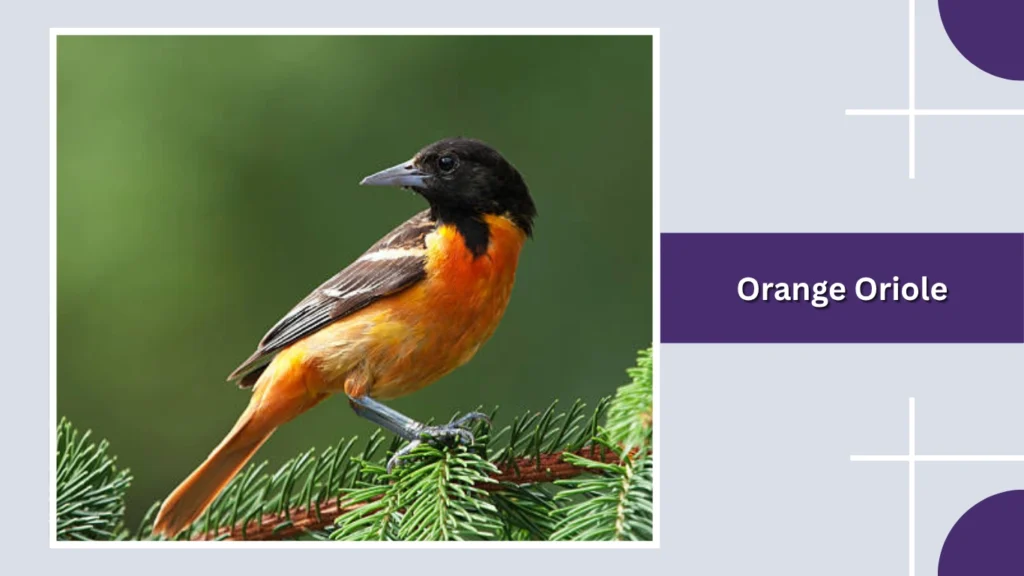
The Orange Oriole is a vibrant bird found primarily in the Yucatán Peninsula of Mexico and nearby regions. It is known for its rich orange coloration and contrasting black markings. This species is often associated with tropical forests and semi-open areas. Its pleasant whistling calls and active nature make it a delightful bird to observe in its natural habitat.
Identification
- Bright orange body with black head and throat
- Black wings and tail with white wing bars
- Slender, slightly curved bill
- Both sexes appear similar in coloration
- Medium-sized with a smooth, sleek appearance
- Strong contrast between orange and black plumage
Habitat
Orange Orioles prefer tropical forests, forest edges, and semi-open woodlands. They are commonly found in lowland regions with warm climates and abundant vegetation. These birds also adapt to gardens, plantations, and rural areas where fruiting trees are present. They tend to stay in areas with dense foliage but are often seen at the edges where they can easily forage.
Behaviors
These orioles are active and usually seen alone or in pairs. They move gracefully through tree branches while searching for food. Orange Orioles are known for their clear, musical whistles and calls. They build hanging nests that are woven from plant fibers and suspended from tree branches. During the breeding season, they become more territorial and vocal.
Diet and Lifecycle
Their diet consists of insects, fruits, and nectar. They feed on caterpillars, beetles, and other small insects, as well as berries and flower nectar. The female builds a hanging nest and lays about 3–5 eggs. Incubation lasts around two weeks, and both parents help raise the chicks. After fledging, the young birds gradually learn to forage independently before dispersing.
13. Black-cowled Oriole
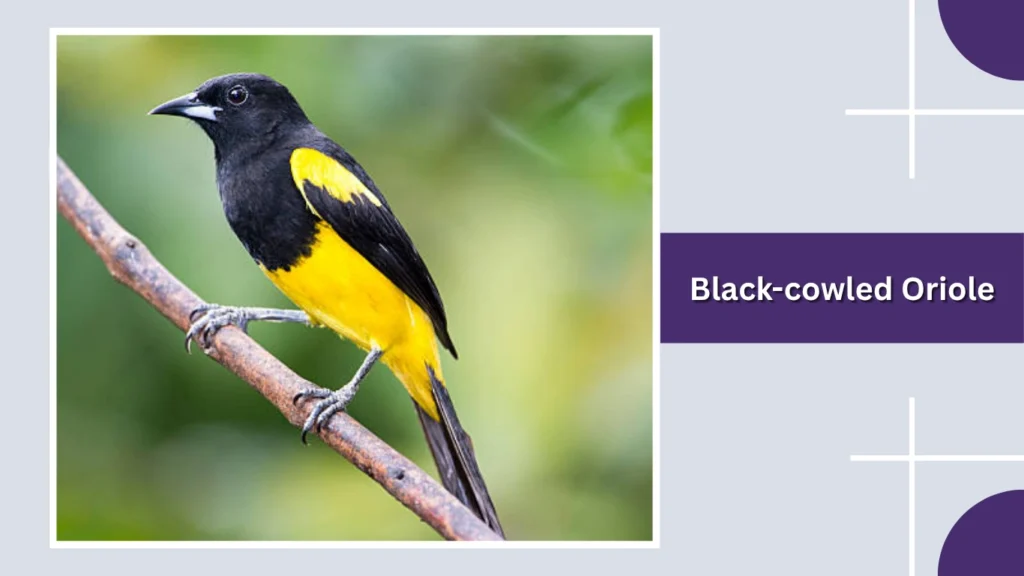
The Black-cowled Oriole is a brightly colored bird found in parts of Central America and northern South America. It is known for its vivid yellow body and contrasting black “cowl” that covers the head and chest. This species is often seen in tropical regions and is appreciated for its clear, whistling calls and active behavior.
Identification
- Bright yellow body
- Black head, throat, and upper chest forming a “cowl”
- Black wings and tail with white wing bars
- Slender, pointed bill
- Both sexes look similar
- Medium-sized with a sleek body shape
Habitat
Black-cowled Orioles prefer tropical lowland forests, forest edges, and open woodlands. They are commonly found in areas with abundant trees and vegetation, including plantations and rural landscapes. These birds often inhabit warm, humid regions and are frequently seen near rivers or in coastal lowlands where food sources are plentiful.
Behaviors
These orioles are active and usually seen in pairs or small groups. They move quickly through the canopy while foraging and are known for their clear, melodic whistles. Black-cowled Orioles build hanging nests that are carefully woven and suspended from branches. They are moderately social but maintain territories during the breeding season.
Diet and Lifecycle
Their diet includes insects, fruits, and nectar. They feed on caterpillars, beetles, and other small insects, as well as berries and nectar from flowers. The female constructs a hanging nest and lays about 3–5 eggs. Incubation lasts around two weeks, and both parents help feed the chicks. After fledging, the young birds remain nearby for a short time before becoming independent.
14. Jamaican Oriole
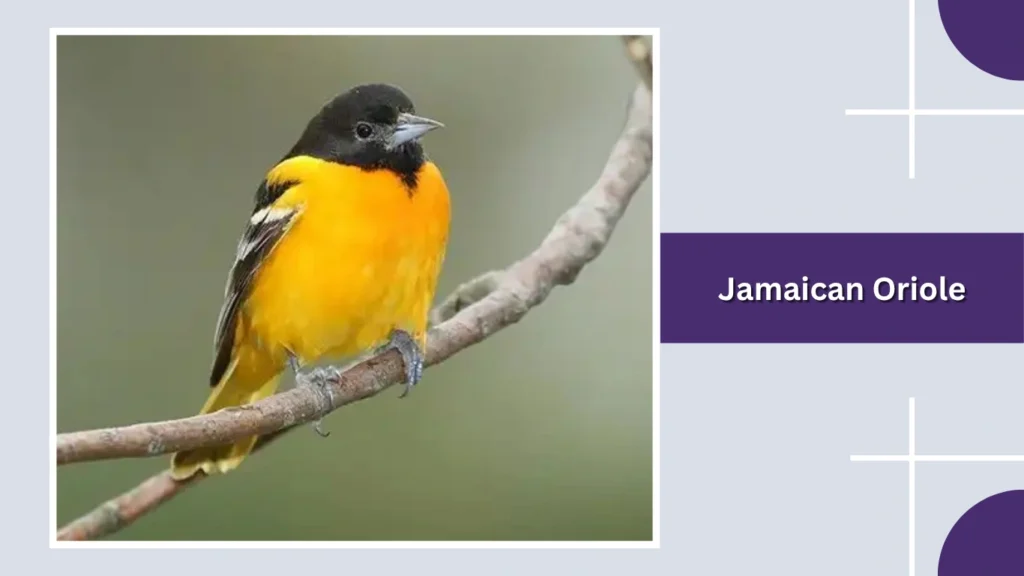
The Jamaican Oriole is an endemic bird found only in Jamaica. It is known for its bright yellow and black coloration and its ability to adapt to both natural and human-modified environments. This species is often seen in gardens, plantations, and forest edges. Its musical calls and active behavior make it a familiar and attractive bird within its limited range.
Identification
- Bright yellow body
- Black head, wings, and tail
- White wing bars visible on dark wings
- Slender, slightly curved bill
- Both sexes appear similar
- Medium-sized with a smooth, streamlined body
Habitat
Jamaican Orioles prefer open woodlands, forest edges, plantations, and gardens. They are commonly found in both rural and suburban areas, especially where tall trees and fruiting plants are available. These birds have adapted well to human presence and are often seen near homes and agricultural areas. They also inhabit coastal regions and lowland forests across Jamaica.
Behaviors
These orioles are active and often seen foraging in trees or visiting flowering plants. They are known for their melodious whistles and calls. Jamaican Orioles build hanging nests, often attaching them to palm fronds or slender branches. They are generally seen in pairs or small groups and can be quite bold around human settlements.
Diet and Lifecycle
Their diet includes insects, fruits, and nectar. They feed on a variety of insects such as caterpillars and beetles, along with berries and nectar from flowers. The female builds a hanging nest and lays about 2–4 eggs. Incubation lasts around two weeks, and both parents help care for the chicks. After fledging, the young birds remain with the parents briefly before becoming independent.
15. Cuban Oriole
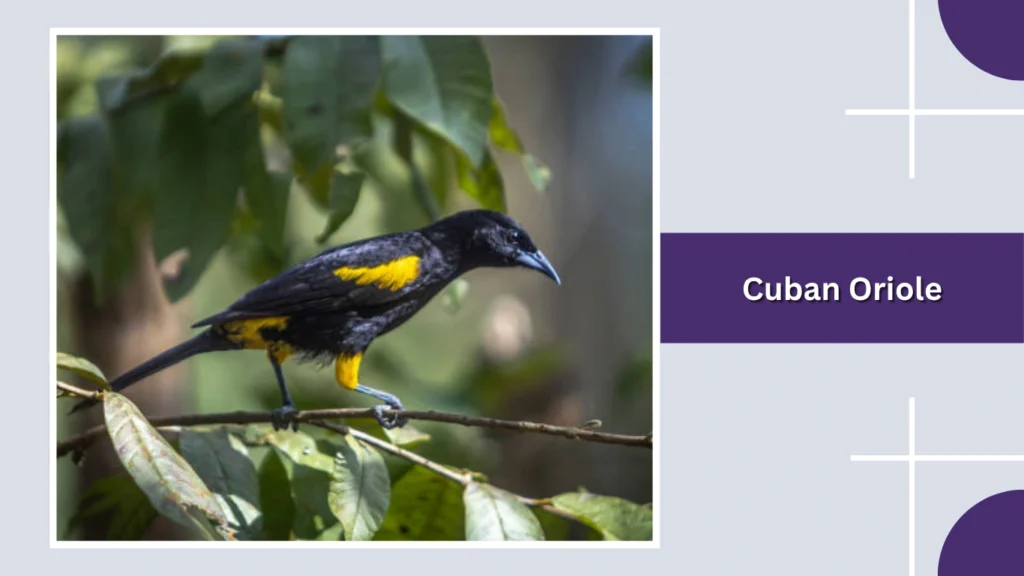
The Cuban Oriole is a vibrant and distinctive bird found only in Cuba. It is known for its bold combination of black and yellow-orange plumage, making it one of the most striking birds in its range. This species often inhabits both natural forests and human-altered environments, where it can be seen moving actively through trees and vegetation while producing a variety of musical calls.
Identification
- Bright yellow-orange body
- Black head, throat, wings, and tail
- Prominent contrast between dark upperparts and bright underparts
- Slender, slightly curved bill
- Both sexes appear similar
- Medium-sized with a sleek appearance
Habitat
Cuban Orioles prefer open woodlands, forest edges, plantations, and gardens. They are commonly found in lowland areas with scattered trees and abundant vegetation. These birds adapt well to human presence and are often seen in agricultural areas and suburban settings. They also inhabit coastal regions and areas with palm trees, which provide suitable nesting sites and food sources.
Behaviors
These orioles are active and often seen alone or in pairs, though they may gather in small groups when feeding. They are known for their varied vocalizations, including whistles and chatters. Cuban Orioles build hanging nests that are woven from plant fibers and suspended from tree branches, often in palms. They are alert and agile, frequently moving through the canopy in search of food.
Diet and Lifecycle
Their diet includes insects, fruits, and nectar. They feed on caterpillars, beetles, and other small invertebrates, as well as berries and flower nectar. The female builds a hanging nest and lays about 3–4 eggs. Incubation lasts roughly two weeks, and both parents help feed the chicks. After fledging, the young birds stay with the parents briefly before becoming independent.
16. Hispaniolan Oriole
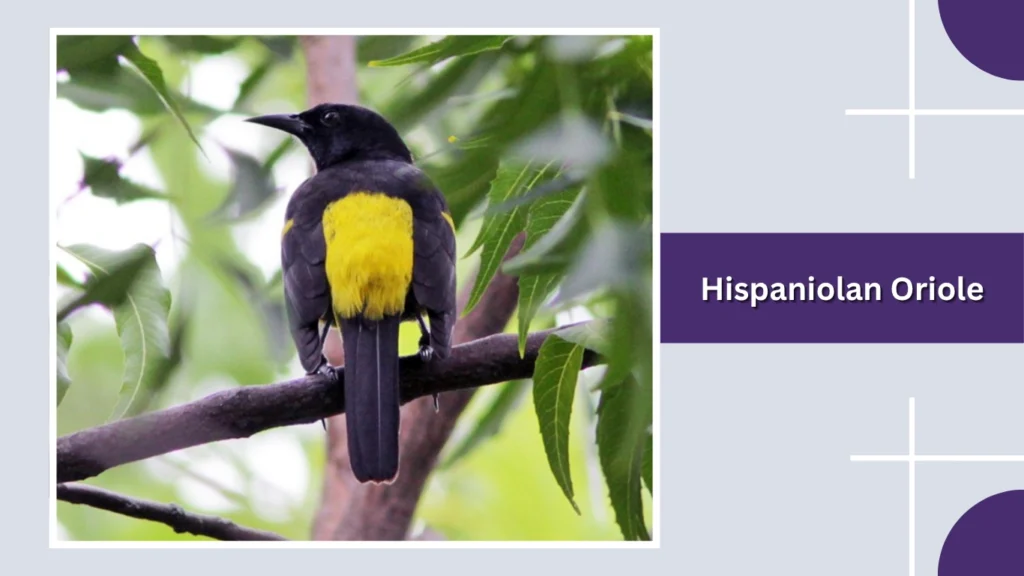
The Hispaniolan Oriole is a striking bird native to the island of Hispaniola, which includes Haiti and the Dominican Republic. It is known for its bold black and yellow coloration and its adaptability to various environments. This species is commonly seen in both natural habitats and human-influenced areas, where it adds beauty and sound with its musical calls.
Identification
- Bright yellow underparts
- Black head, back, wings, and tail
- Strong contrast between yellow and black plumage
- Slender, slightly curved bill
- Both sexes look similar
- Medium-sized with a sleek body
Habitat
Hispaniolan Orioles prefer open woodlands, forest edges, plantations, and gardens. They are commonly found in lowland and mid-elevation areas with scattered trees. These birds adapt well to human environments and are often seen in agricultural lands and suburban areas. They also inhabit coastal regions and areas with palm trees, which provide suitable nesting and feeding opportunities.
Behaviors
These orioles are active and often seen in pairs or small groups. They move quickly through trees while foraging and are known for their varied vocalizations, including whistles and chatters. Hispaniolan Orioles build hanging nests, usually attached to palm fronds or slender branches. They are alert and energetic, frequently shifting between branches in search of food.
Diet and Lifecycle
Their diet includes insects, fruits, and nectar. They feed on caterpillars, beetles, and other small insects, as well as berries and nectar from flowers. The female builds a hanging nest and lays about 2–4 eggs. Incubation lasts around two weeks, and both parents help care for the chicks. After fledging, the young birds remain nearby for a short time before becoming independent.
17. Bahama Oriole
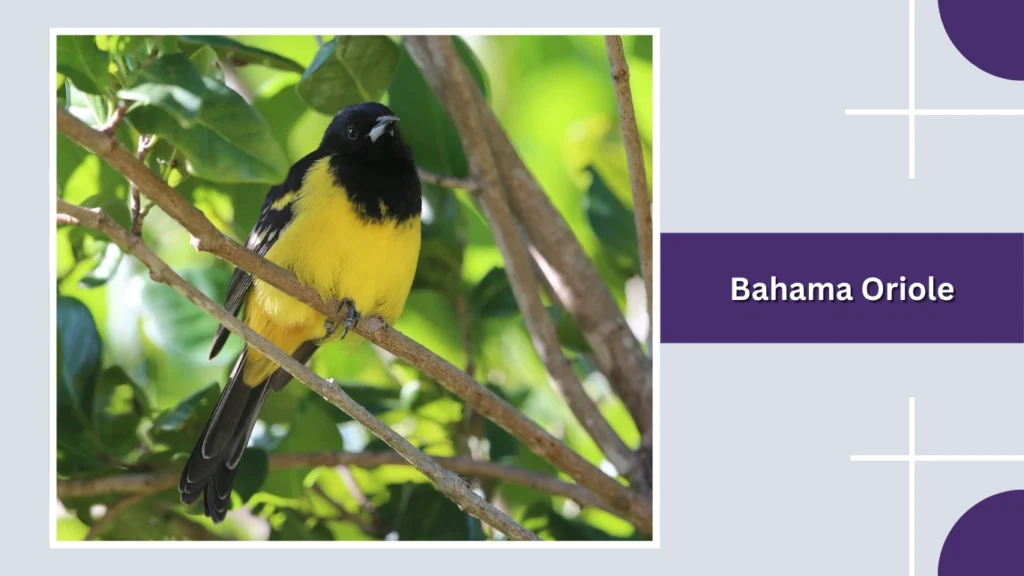
The Bahama Oriole is a rare and endangered bird found only in the Bahamas, particularly on Andros Island. It is known for its striking black and yellow coloration and its close association with palm trees. Due to habitat loss and other threats, this species has a limited population, making it especially important for conservation efforts. Its clear, whistling calls add life to its tropical surroundings.
Identification
- Bright yellow underparts
- Black head, back, wings, and tail
- Strong contrast between yellow and black plumage
- Slender, slightly curved bill
- Both sexes appear similar
- Medium-sized with a sleek, upright posture
Habitat
Bahama Orioles prefer pine forests, scrublands, and areas with palm trees. They are especially associated with coconut palms, which they use for nesting. These birds are found in both natural and human-influenced environments, including settlements and agricultural areas. Their limited range makes them highly dependent on specific habitats, particularly those that provide suitable nesting sites.
Behaviors
These orioles are active and usually seen in pairs or small family groups. They move through trees while foraging and are known for their clear, musical whistles. Bahama Orioles build hanging nests, often attached to palm fronds. They are somewhat shy but can be observed in areas where they have adapted to human presence. During breeding season, they become more territorial and vocal.
Diet and Lifecycle
Their diet includes insects, fruits, and nectar. They feed on caterpillars, beetles, and other small insects, as well as berries and nectar from flowers. The female builds a hanging nest and lays about 2–4 eggs. Incubation lasts around two weeks, and both parents help feed the chicks. After fledging, the young birds remain dependent for a short time before becoming independent.
18. Puerto Rican Oriole
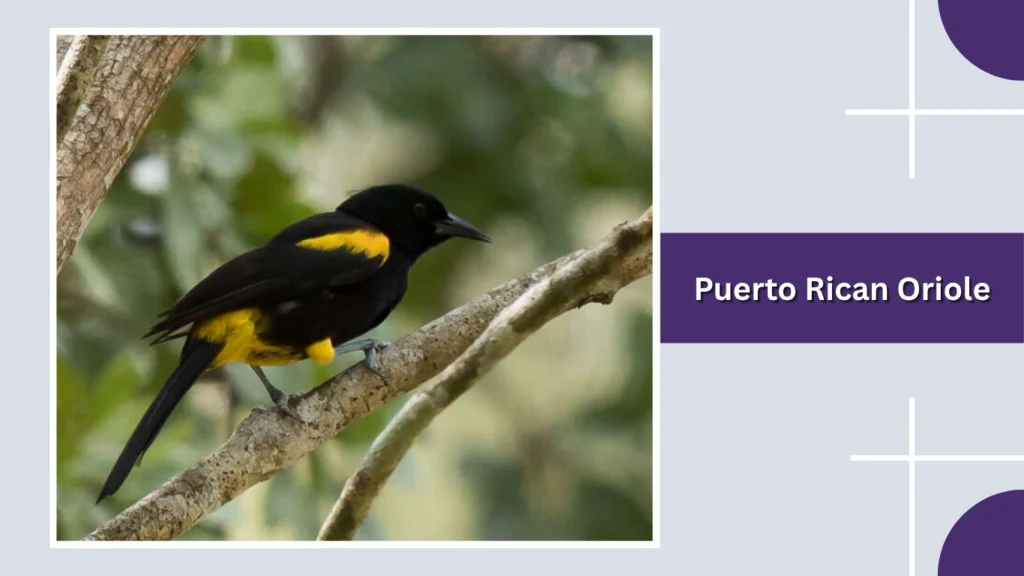
The Puerto Rican Oriole is a beautiful bird native to Puerto Rico. It was once grouped with other Caribbean orioles but is now recognized as its own species. This bird is known for its striking black and yellow coloration and its adaptability to both natural forests and human-populated areas. Its clear, whistling calls make it a familiar sound in its range.
Identification
- Bright yellow body
- Black head, throat, wings, and tail
- White wing bars visible on dark wings
- Slender, slightly curved bill
- Both sexes appear similar
- Medium-sized with a sleek, elegant appearance
Habitat
Puerto Rican Orioles prefer open woodlands, forest edges, plantations, and suburban areas. They are commonly found in lowland and coastal regions, especially where palm trees and flowering plants are abundant. These birds adapt well to human environments and are often seen in gardens and agricultural areas. They also inhabit secondary forests and areas with mixed vegetation.
Behaviors
These orioles are active and often seen alone or in pairs. They move quickly through tree canopies while foraging and are known for their melodious whistles and calls. Puerto Rican Orioles build hanging nests, often attached to palm fronds or slender branches. They are alert and agile, frequently shifting between branches and occasionally visiting feeders in residential areas.
Diet and Lifecycle
Their diet includes insects, fruits, and nectar. They feed on caterpillars, beetles, and other small insects, along with berries and flower nectar. The female builds a hanging nest and lays about 2–4 eggs. Incubation lasts around two weeks, and both parents help feed and care for the chicks. After fledging, the young birds remain with the parents briefly before becoming independent.
19. Montserrat Oriole
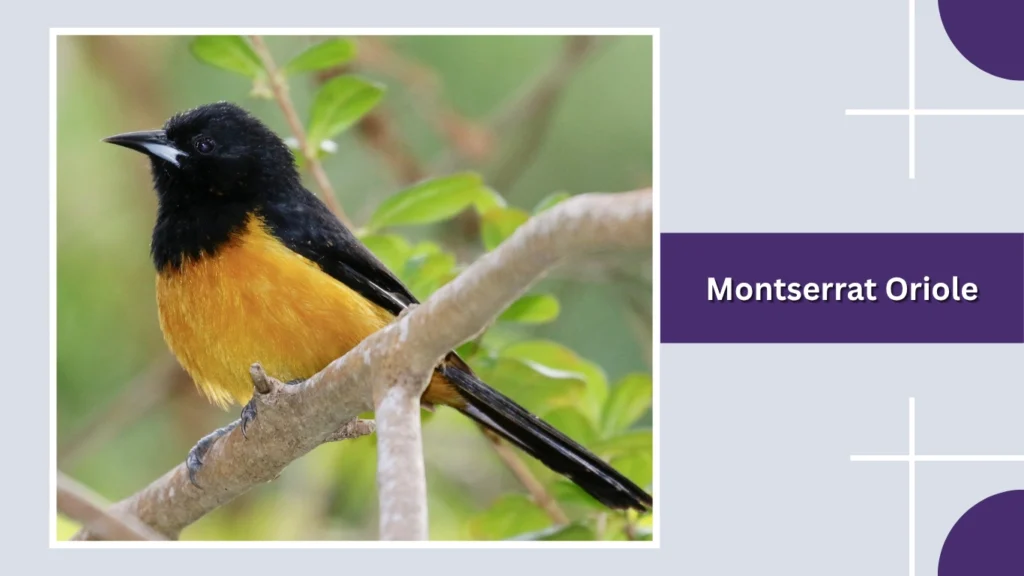
The Montserrat Oriole is a rare and endangered bird found only on the island of Montserrat in the Caribbean. It is known for its striking black and yellow coloration and is considered a national symbol of the island. Due to habitat loss and volcanic activity, its population has declined, making conservation efforts very important for its survival.
Identification
- Bright yellow underparts
- Black head, throat, wings, and tail
- Strong contrast between yellow body and black upperparts
- Slender, slightly curved bill
- Both sexes appear similar
- Medium-sized with a sleek build
Habitat
Montserrat Orioles prefer dense tropical forests, especially in mountainous regions. They are often found in areas with thick vegetation, including rainforests and forest edges. This species tends to avoid open or heavily disturbed areas, relying on intact forest habitats for shelter and food. Due to environmental changes, their range has become more limited over time.
Behaviors
These orioles are relatively shy and often stay hidden within dense foliage. They are usually seen in pairs and are more often heard than seen, thanks to their clear, whistling calls. Montserrat Orioles move carefully through branches while foraging and are less likely to visit human settlements compared to other orioles.
Diet and Lifecycle
Their diet includes insects, fruits, and nectar. They feed on caterpillars, beetles, and other small invertebrates, as well as berries and flower nectar. The female builds a hanging nest and lays about 2–3 eggs. Incubation lasts around two weeks, and both parents help raise the chicks. After fledging, the young birds stay with the parents for a short period before becoming independent.
20. Martinique Oriole
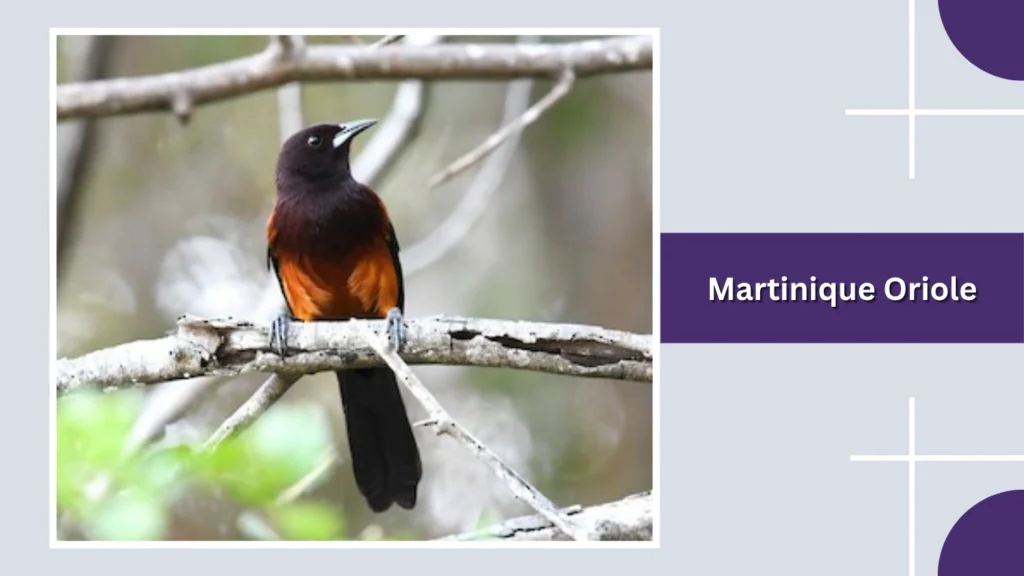
The Martinique Oriole is a rare bird found only on the island of Martinique in the Caribbean. It is known for its glossy black and rich chestnut coloration, making it quite different in appearance from many other orioles. This species is considered vulnerable due to habitat loss and limited distribution. Its quiet nature and restricted range make it a special bird for conservation and birdwatching.
Identification
- Glossy black head, back, wings, and tail
- Rich chestnut (dark reddish-brown) underparts
- Slender, slightly curved bill
- Both sexes appear similar
- Medium-sized with a smooth, sleek body
- Lacks bright yellow coloration seen in many other orioles
Habitat
Martinique Orioles prefer humid forests, forest edges, and wooded areas with dense vegetation. They are often found in mountainous regions as well as lowland forests. This species may also adapt to plantations and gardens if suitable tree cover is available. However, it generally depends on areas with good vegetation density for shelter and feeding.
Behaviors
These orioles are relatively quiet and secretive compared to other species. They are often seen alone or in pairs, moving through trees in search of food. Their calls are softer and less conspicuous. Martinique Orioles build hanging nests, usually well hidden among leaves and branches. They tend to avoid open areas and remain within forested habitats.
Diet and Lifecycle
Their diet includes insects, fruits, and nectar. They feed on caterpillars, beetles, and other small invertebrates, as well as berries and flower nectar. The female builds a hanging nest and lays about 2–3 eggs. Incubation lasts around two weeks, and both parents help care for the chicks. After fledging, the young birds remain with the parents briefly before becoming independent.
21. Venezuelan Troupial
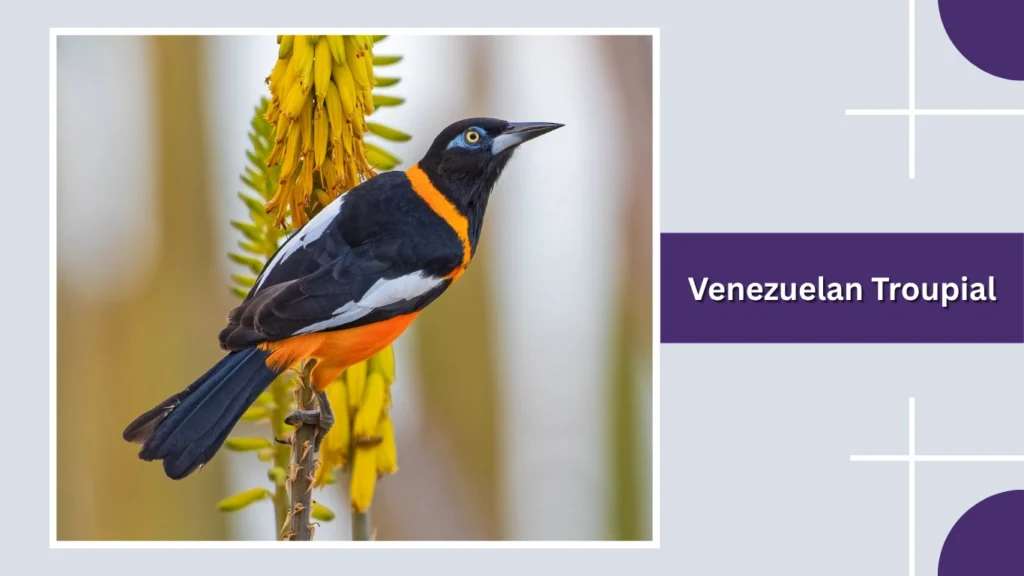
The Venezuelan Troupial is a striking and colorful bird, recognized as the national bird of Venezuela. It is known for its brilliant orange body contrasted with black markings and a touch of blue around the eye. This species is bold, vocal, and often seen in open areas. Its loud, melodious calls and adaptability make it one of the most noticeable birds in its range.
Identification
- Bright orange body
- Black head, throat, wings, and tail
- Distinct blue skin patch around the eye
- White wing patches visible in flight
- Strong, slightly curved bill
- Medium-sized with a robust build
Habitat
Venezuelan Troupials prefer open woodlands, savannas, scrublands, and gardens. They are commonly found in dry and semi-arid regions but can also inhabit cultivated areas and suburban environments. These birds are highly adaptable and often live near human settlements where food is available. They are usually seen in lowland regions with scattered trees and shrubs.
Behaviors
These birds are bold and sometimes aggressive. Unlike many orioles, they often take over nests built by other birds instead of constructing their own. Venezuelan Troupials are usually seen alone or in pairs and are very vocal, producing a variety of whistles and calls. They are active foragers and frequently move between branches while searching for food.
Diet and Lifecycle
Their diet includes insects, fruits, nectar, and even small vertebrates or eggs. They feed on caterpillars, beetles, berries, and flower nectar. During breeding, they may occupy abandoned nests and lay about 2–4 eggs. Incubation lasts around two weeks, and both parents help raise the chicks. After fledging, the young birds gradually become independent while staying within suitable feeding areas.
22. Campo Troupial
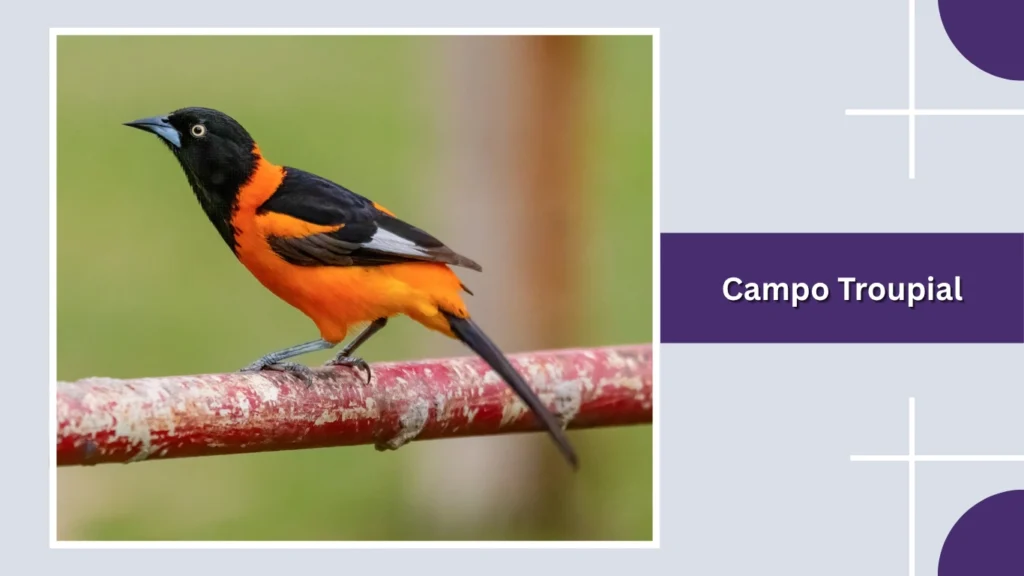
The Campo Troupial is a colorful bird found mainly in parts of South America, especially in Brazil and nearby regions. It is closely related to other troupials and is known for its bright orange and black plumage. This species prefers open landscapes and is often seen in savannas and grasslands. Its clear, whistling calls and active nature make it a noticeable bird in its environment.
Identification
- Bright orange underparts
- Black head, throat, wings, and tail
- White wing patches visible in flight
- Slender, slightly curved bill
- Both sexes appear similar
- Medium-sized with a balanced, streamlined body
Habitat
Campo Troupials prefer open habitats such as savannas, grasslands, and lightly wooded areas. They are commonly found in rural landscapes, including farmlands and pastures. These birds thrive in warm, tropical climates and are often seen in areas with scattered trees or shrubs that provide perching and nesting sites.
Behaviors
These birds are active and often seen alone or in pairs. They are known for their clear and melodious whistles. Like other troupials, they may take over nests built by other birds instead of building their own. Campo Troupials are alert and energetic, frequently moving through trees and open areas while foraging for food.
Diet and Lifecycle
Their diet includes insects, fruits, and nectar. They feed on caterpillars, beetles, berries, and flower nectar. Occasionally, they may eat small animals or eggs. During breeding, they often use abandoned nests and lay about 2–4 eggs. Incubation lasts around two weeks, and both parents help care for the chicks. After fledging, the young birds gradually become independent.
23. Orange-backed Troupial
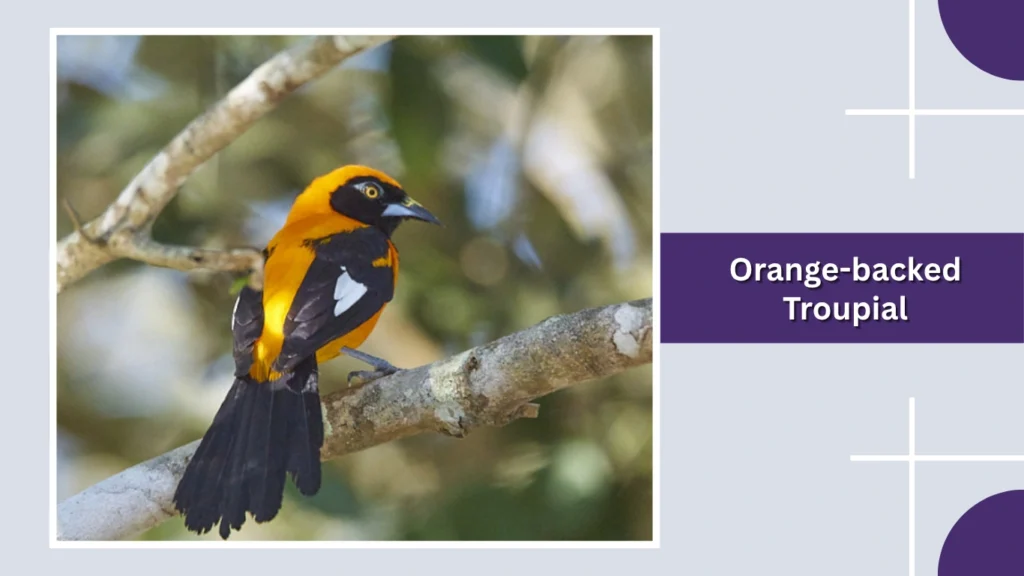
The Orange-backed Troupial is a vibrant bird found in parts of northern South America. It is known for its bright orange back and underparts, contrasted with black markings on the head and wings. This species is closely related to other troupials and is admired for its bold appearance and musical calls. It often inhabits open landscapes and is relatively easy to spot due to its striking colors.
Identification
- Bright orange back and underparts
- Black head, throat, wings, and tail
- White wing patches visible in flight
- Slender, slightly curved bill
- Both sexes appear similar
- Medium-sized with a strong, streamlined body
Habitat
Orange-backed Troupials prefer open woodlands, savannas, scrublands, and grasslands. They are commonly found in tropical lowland areas with scattered trees and shrubs. These birds often inhabit rural and agricultural landscapes and can also be seen near human settlements where food sources are available. They thrive in warm climates with open spaces.
Behaviors
These birds are active and often seen alone or in pairs. They are known for their clear, melodious whistles and vocal nature. Like other troupials, they may take over nests built by other birds instead of constructing their own. Orange-backed Troupials are alert and energetic, frequently moving between branches and open areas while foraging.
Diet and Lifecycle
Their diet includes insects, fruits, nectar, and occasionally small animals or eggs. They feed on caterpillars, beetles, berries, and flower nectar. During breeding, they often use abandoned nests and lay about 2–4 eggs. Incubation lasts around two weeks, and both parents help raise the chicks. After fledging, the young birds gradually become independent.
24. Epaulet Oriole
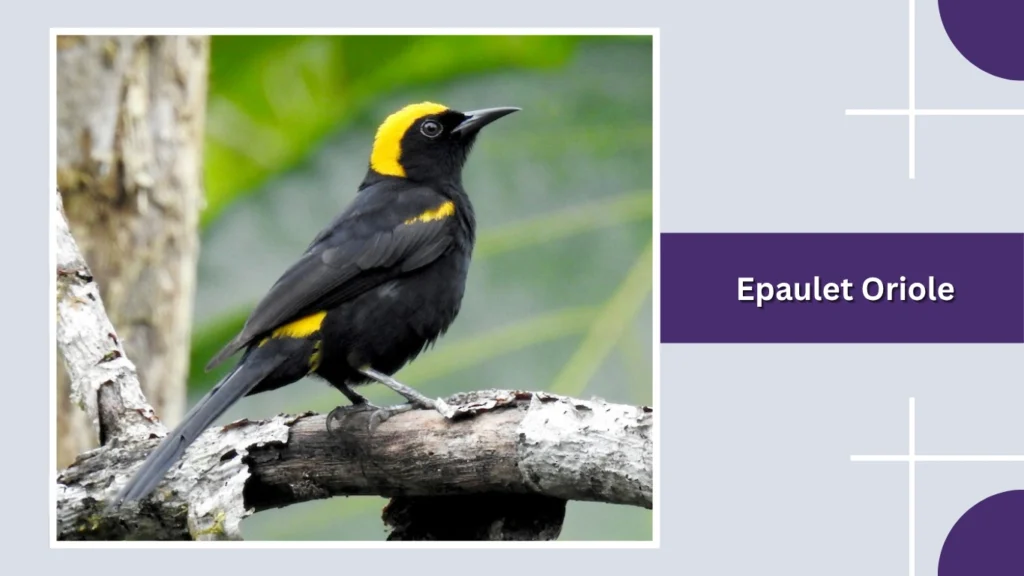
The Epaulet Oriole is a distinctive bird found in parts of Central and South America. It is named for the noticeable “epaulet” or shoulder patch that stands out on its wings. This species has a more subtle coloration compared to some brighter orioles but is still elegant in appearance. It is often found in forested areas and is known for its soft, musical calls.
Identification
- Dark body with contrasting lighter or colored shoulder (epaulet) patch
- Black or dark head and upperparts
- Subtle yellow or orange tones depending on subspecies
- Slender, slightly curved bill
- Both sexes appear similar
- Medium-sized with a sleek build
Habitat
Epaulet Orioles prefer tropical forests, forest edges, and wooded areas with dense vegetation. They are commonly found in humid regions, including lowland forests and foothills. These birds tend to avoid open areas and are more often seen within forest canopies. They may also occur in plantations and shaded agricultural areas where tree cover is sufficient.
Behaviors
These orioles are generally quiet and somewhat secretive. They are usually seen alone or in pairs, moving through the canopy while foraging. Their calls are softer compared to other orioles. Epaulet Orioles build hanging nests that are carefully woven and hidden among foliage. They are less likely to interact with humans and tend to remain in natural habitats.
Diet and Lifecycle
Their diet includes insects, fruits, and nectar. They feed on caterpillars, beetles, and other small invertebrates, along with berries and flower nectar. The female builds a hanging nest and lays about 2–4 eggs. Incubation lasts around two weeks, and both parents help care for the chicks. After fledging, the young birds remain with the parents briefly before becoming independent.
25. Golden Oriole
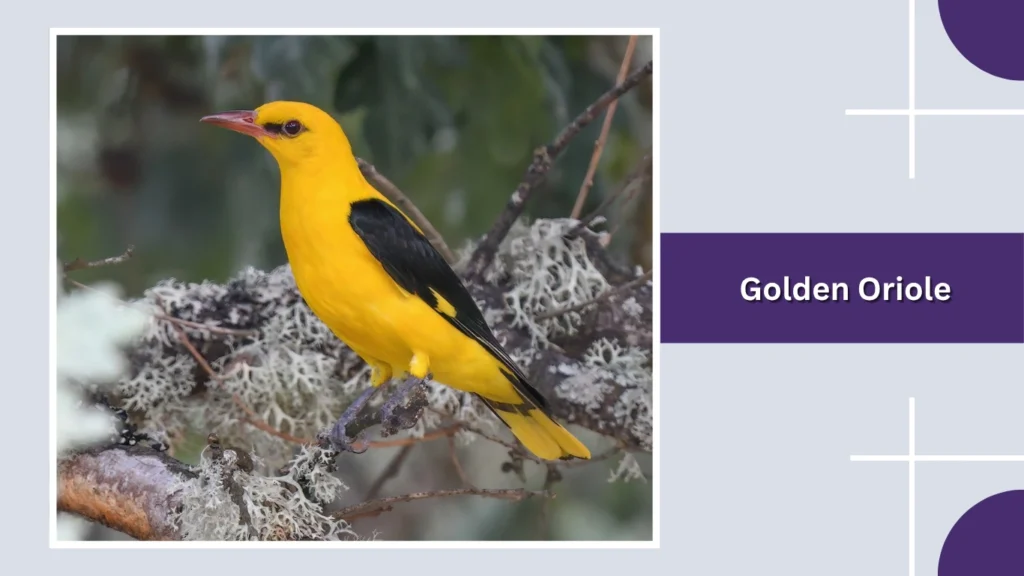
The Golden Oriole is a beautifully colored bird found across Europe, parts of Asia, and northern Africa. It is known for its brilliant yellow plumage and contrasting black wings, making it one of the most recognizable orioles. Despite its bright color, it can be surprisingly hard to spot as it often stays high in tree canopies. Its rich, flute-like song is a familiar sound in many woodlands during the breeding season.
Identification
- Bright golden-yellow body (male)
- Black wings and tail with some yellow edges
- Red or pinkish slender bill
- Female is greener with streaked underparts
- Medium-sized with a sleek, elongated body
- Strong contrast between yellow body and dark wings
Habitat
Golden Orioles prefer deciduous forests, open woodlands, riverbanks, and orchards. They are commonly found in areas with tall trees, especially near water sources. These birds tend to stay in the upper canopy, making them less visible despite their bright coloration. During migration, they travel long distances between Europe and Africa, passing through various habitats along the way.
Behaviors
These orioles are shy and often remain hidden among leaves. They are usually seen alone or in pairs rather than in large groups. Their melodious, flute-like calls are often heard before the bird is seen. Golden Orioles build neat, hanging nests suspended between branches. They are agile flyers and move gracefully through the treetops while foraging.
Diet and Lifecycle
Their diet consists mainly of insects, fruits, and berries. They feed on caterpillars, beetles, and other insects, as well as cherries, figs, and other fruits. The female builds a hanging nest and lays about 3–5 eggs. Incubation lasts around two weeks, and both parents help feed the chicks. After fledging, the young birds gradually become independent before migrating to warmer regions.
FAQs
What is an oriole bird?
Orioles are medium-sized songbirds known for their bright colors, especially orange, yellow, and black. They belong to the Icteridae family and are found in the Americas, as well as parts of Europe, Asia, and Africa (Old World orioles).
Where do orioles usually live?
Orioles are commonly found in open woodlands, forest edges, gardens, and near water sources. Some species prefer tropical forests, while others adapt well to urban and suburban environments.
What do orioles eat?
Orioles mainly eat insects, fruits, and nectar. They are especially fond of caterpillars, berries, and sweet foods like oranges, making them frequent visitors to backyard feeders.
Are orioles migratory birds?
Many oriole species are migratory, traveling long distances between breeding and wintering grounds. However, some tropical species remain in the same region year-round.
How do orioles build their nests?
Orioles are known for their unique hanging nests. These nests are woven from plant fibers, grasses, and other materials, and are usually suspended from tree branches for safety.
