
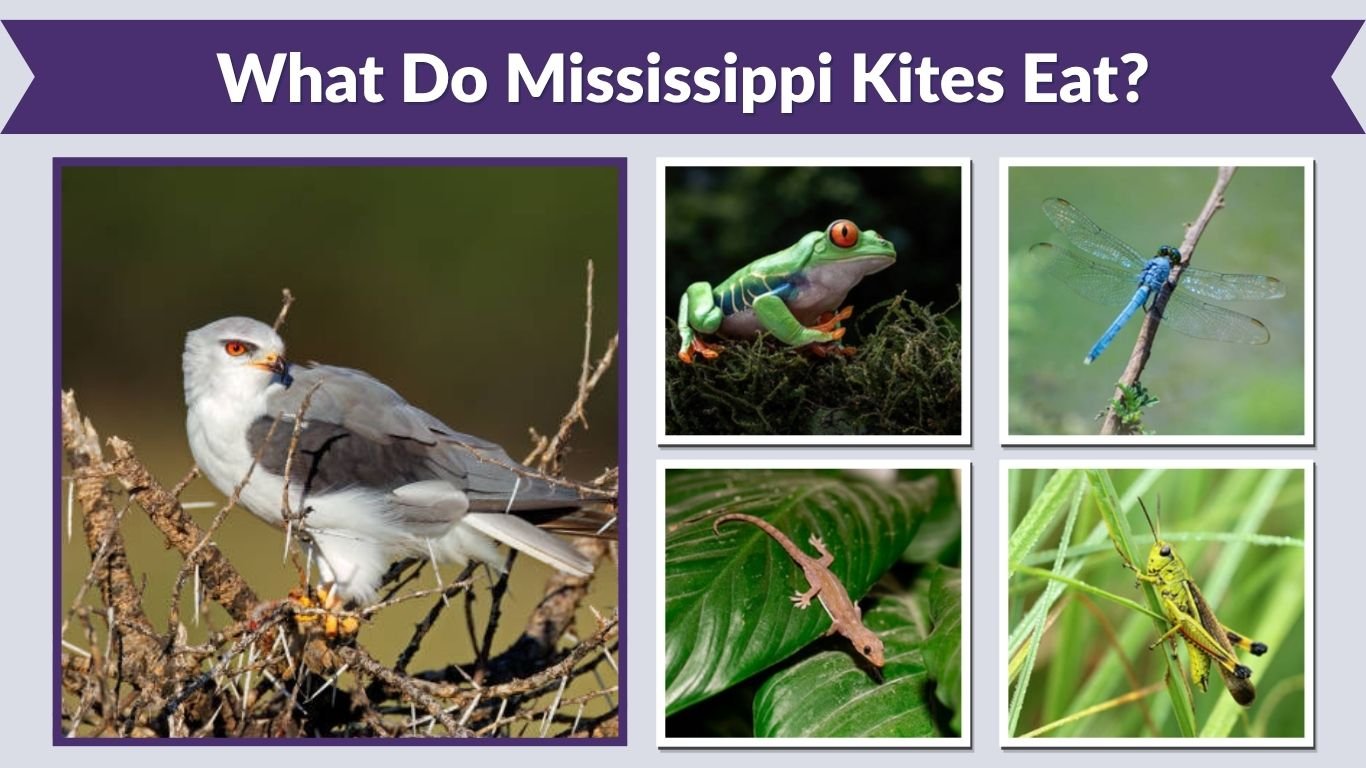
Mississippi kites mostly eat large insects, especially flying insects they can catch in midair. These graceful birds of prey are known for hunting on the wing, gliding through the sky while catching cicadas, grasshoppers, beetles, and dragonflies. They may also eat small reptiles, amphibians, birds, bats, and mammals, but insects make up the main part of their diet.
What Does a Mississippi Kite Eat?
The Mississippi kite is a small raptor, but it does not hunt like many larger hawks. Instead of focusing mainly on rabbits, squirrels, or chickens, it often hunts insects from the air. Its long pointed wings and agile flight make it excellent at catching prey while flying.
Mississippi kites are opportunistic feeders. That means they eat what is available, easy to catch, and suitable for their size. Their diet changes depending on season, location, weather, and nesting needs.
Quick Diet Overview
Here is a simple look at what Mississippi kites commonly eat:
| Food Type | How Common Is It? | Notes |
|---|---|---|
| Cicadas | Very common | A major summer food |
| Grasshoppers | Very common | Often caught in open areas |
| Dragonflies | Common | Usually caught in flight |
| Beetles | Common | Important insect prey |
| Moths and other insects | Common | Especially during warm months |
| Lizards | Occasional | More common in warm habitats |
| Frogs and toads | Occasional | Taken near wet areas |
| Small birds and bats | Occasional | Usually small, catchable prey |
| Small mammals | Rare to occasional | Usually very small rodents, not large pets |
Audubon describes the Mississippi kite’s diet as mostly large insects, including cicadas, grasshoppers, katydids, beetles, and dragonflies, with smaller amounts of frogs, toads, snakes, bats, rodents, small birds, and turtles. Cornell’s All About Birds also describes Mississippi kites as sleek raptors that hunt small prey and often feed while flying.
1. Cicadas
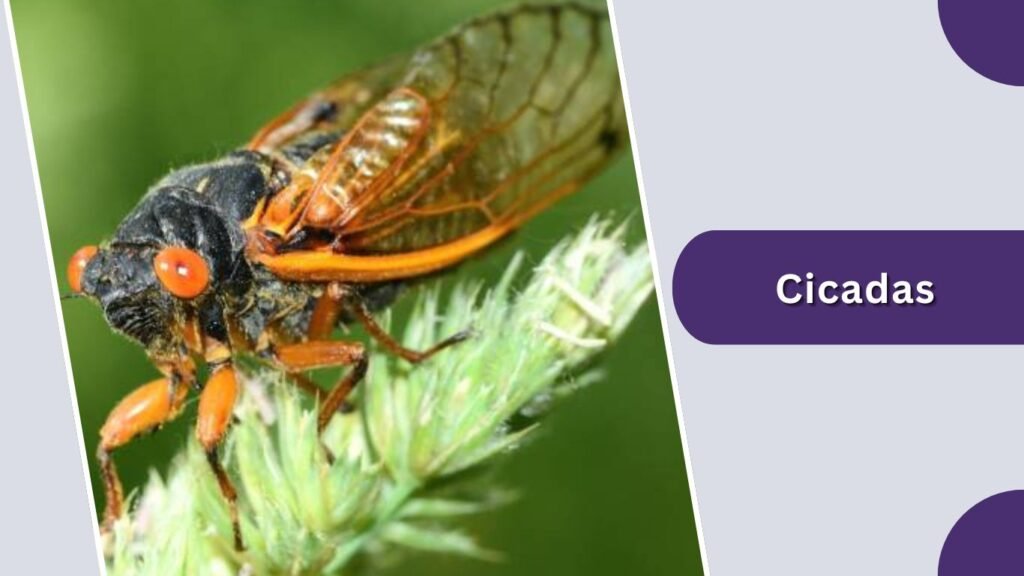
Cicadas are one of the most common foods for Mississippi kites. During warm months, cicadas are abundant in many places where these birds breed. Their size, movement, and noisy activity make them an attractive food source.
Why Cicadas Are Important
Cicadas are large enough to provide useful energy but small enough for a Mississippi kite to catch and eat easily. Kites may catch cicadas in flight or pick them from trees and branches.
Cicadas are especially important during nesting season. Adult kites need steady food for themselves and their growing chicks. In areas with heavy cicada activity, Mississippi kites may be seen flying repeatedly over trees, yards, and parks while hunting.
2. Grasshoppers
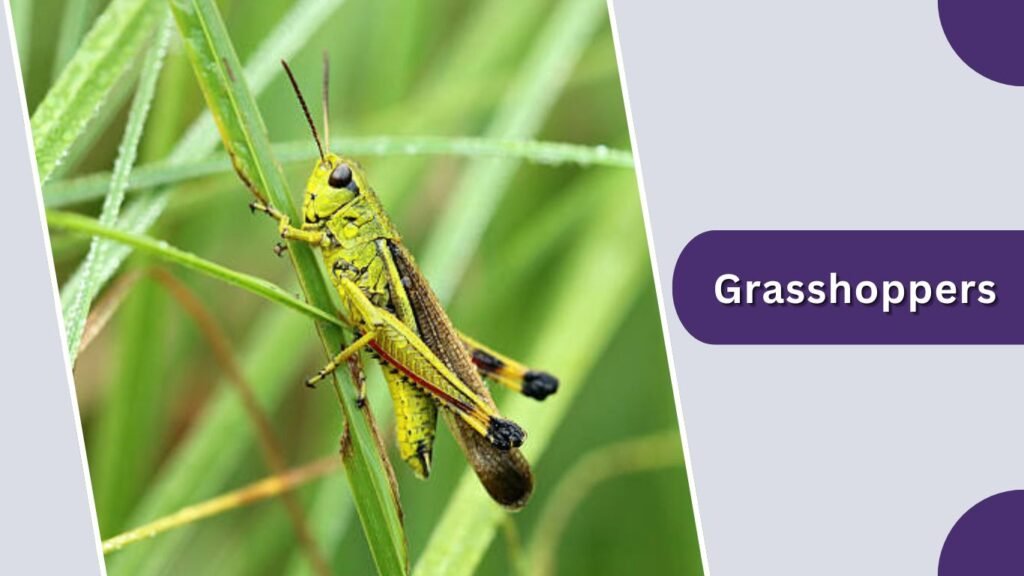
Grasshoppers are another major food for Mississippi kites. These insects are common in open fields, grasslands, farms, roadsides, and suburban areas.
How Kites Catch Grasshoppers
Mississippi kites may catch grasshoppers that jump or fly up from vegetation. They sometimes take advantage of insects stirred up by mowing, grazing animals, or other movement in grassy areas.
Grasshoppers are a practical food source because they are abundant, active during warm weather, and easy for skilled aerial hunters to spot. In some areas, Mississippi kites help control populations of crop-damaging insects.
3. Dragonflies
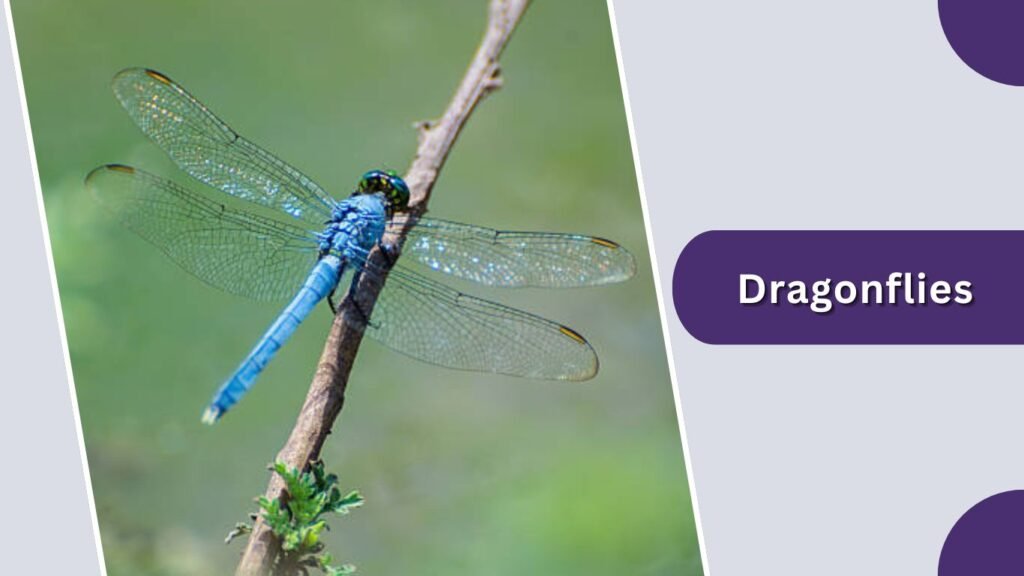
Dragonflies are fast insects, but Mississippi kites are fast and agile enough to catch them. This makes dragonflies a common part of their diet, especially near ponds, creeks, wetlands, and open areas with water nearby.
Hunting Dragonflies on the Wing
Mississippi kites often catch prey while flying. Dragonflies fit this hunting style well because they spend much of their time in the air.
A kite may glide, turn, and snatch a dragonfly with its feet. It may then eat while still flying. This feeding style is one reason people often describe Mississippi kites as graceful or elegant birds.
4. Beetles
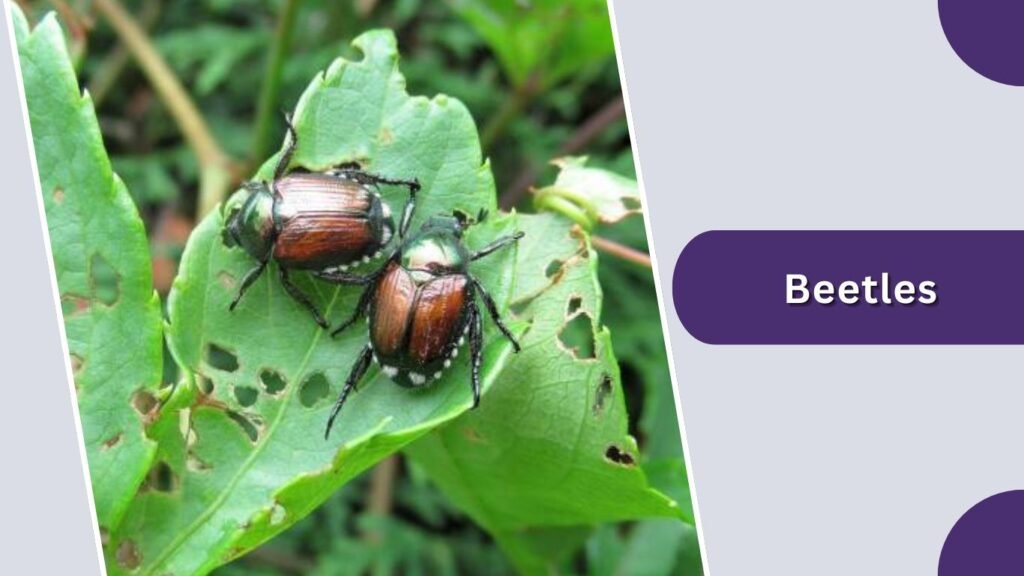
Beetles are also part of the Mississippi kite diet. They may eat flying beetles or beetles found around trees, fields, and open areas.
Why Beetles Are Useful Prey
Beetles are common in many habitats and can be available throughout much of the warm season. Some are large enough to be worth catching, especially for a bird that specializes in insects.
Like cicadas and grasshoppers, beetles help make Mississippi kites beneficial around farms, gardens, and natural areas. The American Bird Conservancy says flying insects are the mainstay of the Mississippi kite’s diet, especially medium- to large-sized insects such as cicadas, beetles, grasshoppers, and dragonflies.
5. Moths, Crickets, Katydids, and Other Insects
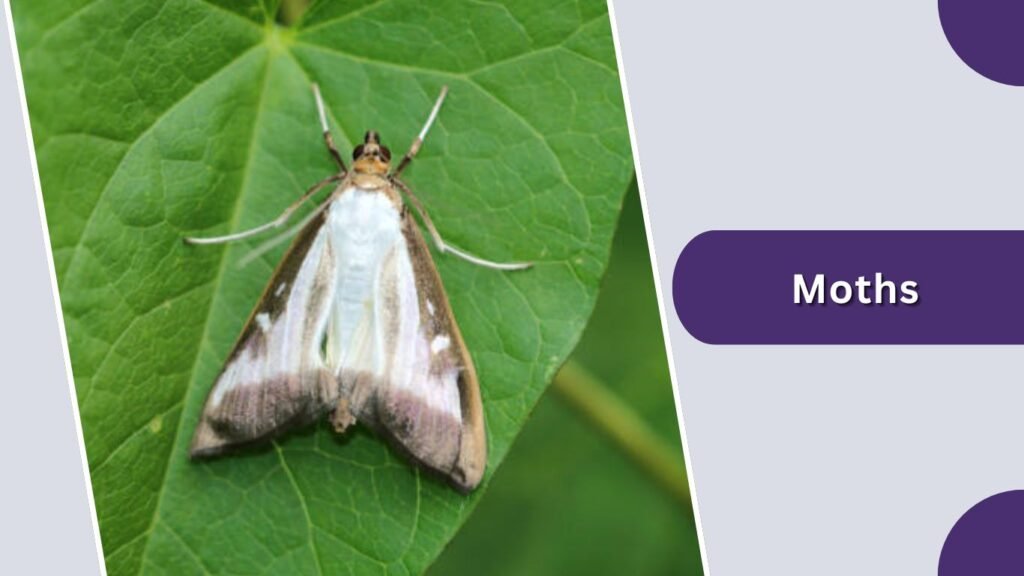
Mississippi kites do not eat only one or two insect types. They also feed on moths, crickets, katydids, bees, and other large insects when available.
Why Insects Make Up Most of the Diet
Insects are small, plentiful, and easy for Mississippi kites to handle in flight. Since these birds often hunt over open areas and near treetops, flying insects are a natural match for their hunting style.
This insect-heavy diet also explains why Mississippi kites are usually not a major threat to backyard animals. They are raptors, but they are not built like large hawks that commonly take bigger mammals or poultry.
6. Lizards
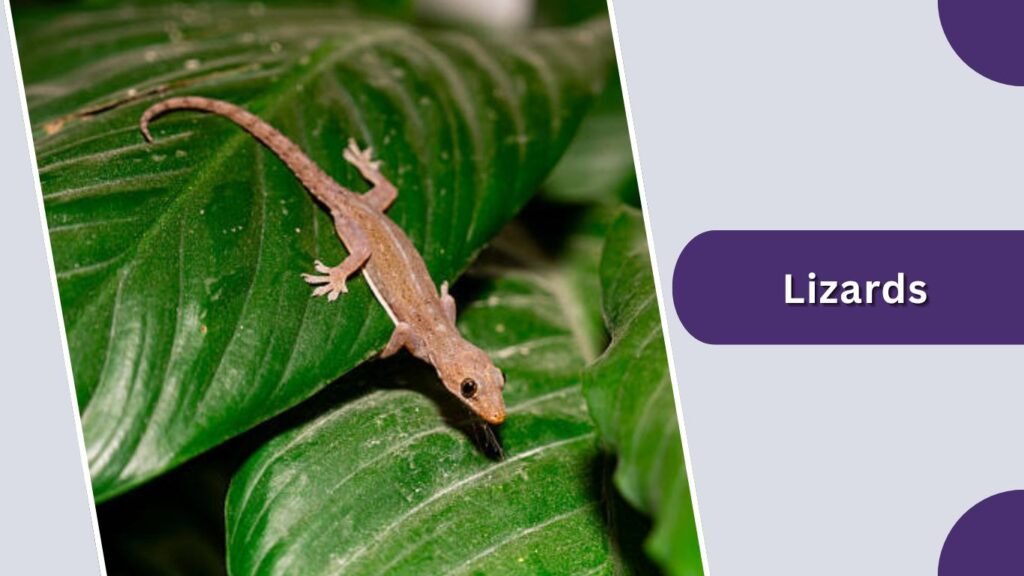
Mississippi kites may eat lizards, especially in warm regions where lizards are common. This is more likely in southern states, dry open areas, parks, yards, and woodland edges.
When Kites Eat Lizards
Lizards are usually an occasional food rather than the main diet. A Mississippi kite may snatch a small lizard from a branch, fence, wall, or open ground.
During nesting season, adults may bring small vertebrates, including lizards, to their chicks. Young birds need protein-rich food, and small reptiles can be useful when insects are less available.
7. Frogs, Toads, and Small Snakes

Mississippi kites may also eat amphibians and reptiles such as frogs, toads, and small snakes. These foods are more common near wet areas, wooded streams, ponds, ditches, and damp fields.
Are Snakes Common Food?
Small snakes can be part of the diet, but they are not the main food. Kites are more likely to take small, manageable prey rather than large snakes.
Frogs and toads may be taken when they are exposed and easy to catch. These foods show that Mississippi kites are flexible hunters, but insects still remain their most common food source.
8. Small Birds, Hummingbirds, and Bats
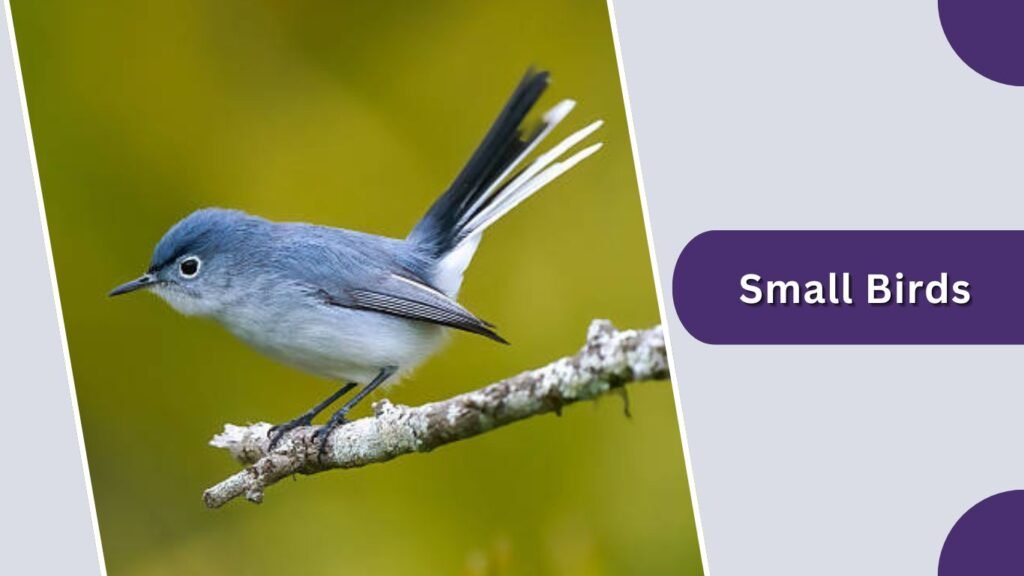
Mississippi kites can eat small birds and bats, but this is not their usual everyday food. They are capable aerial hunters, so they may occasionally catch small flying animals.
Do Mississippi Kites Eat Birds?
Yes, Mississippi kites sometimes eat birds. However, birds are usually a minor part of the diet compared with insects. They may catch small birds such as swallows or swifts in the air, but they are not primarily bird-hunting raptors.
Do Mississippi Kites Eat Hummingbirds?
A Mississippi kite could potentially catch a hummingbird, but this would be uncommon. Hummingbirds are very small and fast, and they are not a main food source for Mississippi kites.
If you see Mississippi kites near your yard, they are much more likely to be hunting insects than targeting hummingbirds at feeders.
Do Mississippi Kites Eat Bats?
Yes, Mississippi kites may occasionally eat bats. Bats are small flying mammals, and a kite may catch one if the opportunity occurs. Still, this is occasional feeding behavior, not the main diet.
9. Small Mammals: Mice, Squirrels, Rabbits, Kittens, and Small Dogs

Mississippi kites may eat small mammals, but usually only very small ones, such as small rodents. They are not built to regularly carry large prey.
Do Mississippi Kites Eat Squirrels?
Mississippi kites are unlikely to eat adult squirrels. Adult squirrels are usually too large, strong, and difficult for this small raptor to handle. A very young or injured small squirrel could be more vulnerable, but squirrels are not a normal part of the Mississippi kite diet.
Do Mississippi Kites Eat Rabbits?
Adult rabbits are much too large for Mississippi kites. Very small young rabbits could theoretically be taken by many raptors, but Mississippi kites are not typical rabbit hunters. Larger hawks are more likely to prey on rabbits.
Do Mississippi Kites Eat Small Dogs?
No, Mississippi kites are not a realistic threat to small dogs. They may swoop near people or pets during nesting season, but that behavior is usually defensive, not hunting behavior. A Mississippi kite is far more interested in insects and small wild prey.
Will a Mississippi Kite Eat a Kitten?
A Mississippi kite is not likely to eat a kitten. Very small, unattended animals can be vulnerable to many predators outdoors, but Mississippi kites are not known as major predators of kittens. Their size and diet make insects and small wildlife much more typical prey.
Do Mississippi Kites Eat Chickens?
Mississippi kites are very unlikely to eat chickens. Adult chickens are too large, and even many chicks may be less likely targets than insects or small wild prey.
Are Backyard Chickens at Risk?
If you keep chickens, larger hawks, owls, raccoons, foxes, snakes, and neighborhood dogs are usually bigger concerns than Mississippi kites. A Mississippi kite might fly over a chicken yard while hunting insects, but that does not mean it is hunting the chickens.
For chick safety, use covered runs and secure brooders. This protects against many predators, not just birds of prey.
Do Mississippi Kites Eat on the Wing?
Yes, Mississippi kites often eat on the wing. This means they catch prey while flying and may consume it without landing. They use their feet to hold food and may tear it apart while still in flight.
Why This Matters
Eating on the wing allows Mississippi kites to remain airborne and continue hunting efficiently. It also helps explain why insects are such a perfect food source for them. Flying insects are small enough to catch, handle, and eat while moving through the air.
What Do Baby Mississippi Kites Eat?
Baby Mississippi kites eat food brought by their parents. The adults may bring insects, small reptiles, frogs, small birds, or other manageable prey to the nest.
Feeding During Nesting Season
During nesting season, adults need to feed both themselves and their young. Large insects are especially useful because they are common and easy to deliver. As the chicks grow, they may receive a variety of prey depending on what the parents can find nearby.
Final Thoughts
Mississippi kites are birds of prey, but their diet is very different from many larger hawks. They mostly eat insects such as cicadas, grasshoppers, dragonflies, beetles, moths, crickets, and katydids. They may also eat lizards, frogs, small snakes, small birds, bats, and tiny mammals.
They are not a serious threat to chickens, small dogs, kittens, adult squirrels, or rabbits. If you see Mississippi kites circling overhead, they are probably hunting insects or defending a nest, not looking for pets.
FAQs
What do Mississippi kites eat most?
Mississippi kites eat mostly large insects. Their common foods include cicadas, grasshoppers, beetles, dragonflies, moths, crickets, and katydids. They may also eat small reptiles, amphibians, birds, bats, and tiny mammals.
Do Mississippi kites eat birds?
Yes, Mississippi kites can eat small birds, but birds are not their main food. They mostly eat insects and only occasionally take small birds when the opportunity is available.
Do Mississippi kites eat squirrels?
Mississippi kites are unlikely to eat adult squirrels. They may occasionally take very small mammals, but adult squirrels are usually too large and difficult for them to handle.
Will a Mississippi kite eat a chicken?
A Mississippi kite is very unlikely to eat a chicken. Chickens are generally too large, and Mississippi kites focus mostly on insects and small wild prey. Covered runs are still helpful for protecting chickens from other predators.
Do Mississippi kites eat hummingbirds?
Mississippi kites could possibly catch a hummingbird, but it would be uncommon. They are much more likely to eat insects such as cicadas, grasshoppers, beetles, and dragonflies.
