
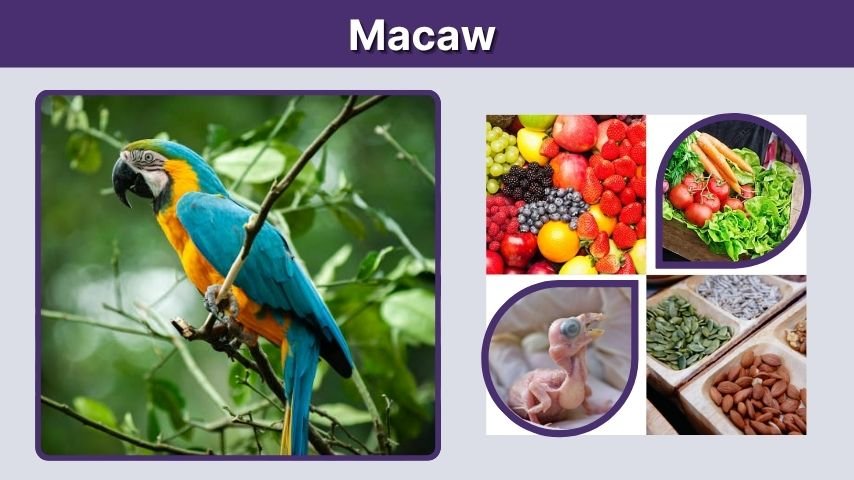
Macaws are among the most recognizable and admired parrots in the world. Known for their vibrant colors, impressive size, and remarkable intelligence, these birds have captured the attention of bird enthusiasts for generations. Native to Central and South America, macaws are highly social creatures that form strong bonds with their owners. However, owning a macaw requires a significant commitment due to their long lifespan, specialized care needs, and high level of interaction. Understanding their behavior, habitat, and care requirements is essential before bringing one home.
What Is a Macaw?
Macaws are large parrots belonging to the Psittacidae family. They are famous for their bright plumage, powerful curved beaks, and long tail feathers. Unlike many smaller pet birds, macaws require substantial space, mental stimulation, and daily interaction to thrive.
These intelligent birds are capable of learning tricks, solving problems, and mimicking sounds. Their playful and affectionate personalities make them popular companions, but they also require experienced and dedicated owners who can meet their physical and emotional needs.
Macaw Characteristics
Macaws possess several distinctive traits that set them apart from other parrot species.
- Large body size and long tails.
- Strong beaks designed for cracking nuts.
- Bright and colorful feathers.
- Highly social and intelligent nature.
- Ability to mimic sounds and speech.
- Long lifespan compared to many pet birds.
Why Macaws Are Popular Pets
Many bird enthusiasts choose macaws because of their impressive appearance and engaging personalities.
- Strong bonds with owners.
- High intelligence and trainability.
- Beautiful and vibrant colors.
- Entertaining and playful behavior.
- Ability to learn words and phrases.
Types of Macaws
Macaws are available in several species, each displaying unique colors, sizes, and temperaments. While all macaws share common characteristics such as intelligence and sociability, individual species differ significantly in appearance and care requirements.
Some species are more suitable for experienced bird owners due to their size and noise levels, while smaller macaw species may be easier to manage. Understanding these differences helps prospective owners choose a bird that matches their lifestyle and experience level.
Blue and Gold Macaw
The Blue and Gold Macaw is one of the most popular pet macaws. It features striking blue wings and back feathers combined with a golden-yellow chest. These birds are known for their affectionate personalities and strong ability to bond with humans.
Scarlet Macaw
Scarlet Macaws are famous for their brilliant red plumage accented with yellow and blue feathers. They are energetic, intelligent, and highly active birds that require regular mental stimulation.
Hyacinth Macaw
The Hyacinth Macaw is the largest flying parrot in the world. Its stunning cobalt-blue feathers and gentle personality make it highly desirable among bird enthusiasts. However, it requires significant space and specialized care.
Green-Winged Macaw
Green-Winged Macaws are often referred to as gentle giants. Their calm temperament and affectionate nature make them popular companions despite their large size.
Macaw Lifespan and Life Expectancy
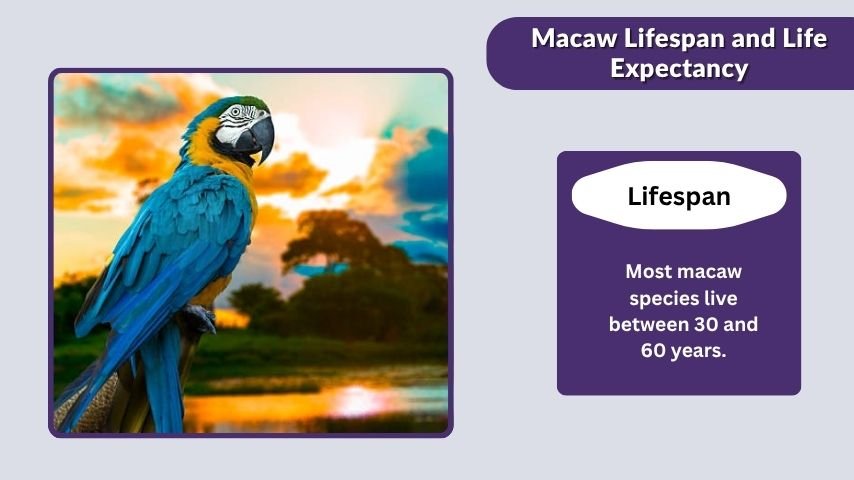
Macaws are among the longest-living pet birds, making ownership a lifelong commitment. Potential owners should carefully consider the responsibility involved before purchasing one. Proper care can allow a macaw to remain a cherished family member for several decades.
Nutrition, exercise, veterinary care, and mental stimulation all contribute to longevity. Birds that receive consistent care and attention generally live longer and enjoy better overall health than those kept in poor conditions.
How Long Do Macaws Live?
Most macaw species live between 30 and 60 years, although some individuals can exceed these averages. Larger species often have longer lifespans than smaller varieties. A healthy macaw that receives proper care can potentially remain with its owner for much of their adult life.
Factors That Affect Macaw Lifespan
Several factors influence life expectancy.
- Balanced and nutritious diet.
- Daily exercise and activity.
- Regular veterinary care.
- Proper housing conditions.
- Mental stimulation and enrichment.
- Social interaction with humans.
Macaw Personality and Behavior
Macaws are exceptionally intelligent birds known for their emotional depth and social nature. They thrive when included in family activities and often develop strong attachments to their owners. Because of their intelligence, macaws require constant mental engagement to prevent boredom and behavioral issues.
These parrots communicate through vocalizations, body language, and social interaction. Their expressive personalities make them entertaining companions, but they can also become demanding if their needs are not met consistently.
Are Macaws Friendly?
Many macaws are affectionate and enjoy spending time with their owners. When properly socialized from a young age, they often become loyal and trusting companions. However, like all parrots, they require patience, training, and positive reinforcement to build strong relationships.
Common Macaw Behaviors
Macaws display a variety of natural behaviors that owners should understand.
- Vocalizing and calling.
- Chewing and shredding objects.
- Climbing and exploring.
- Playing with toys.
- Seeking attention from owners.
- Mimicking sounds and words.
Can Macaws Talk?
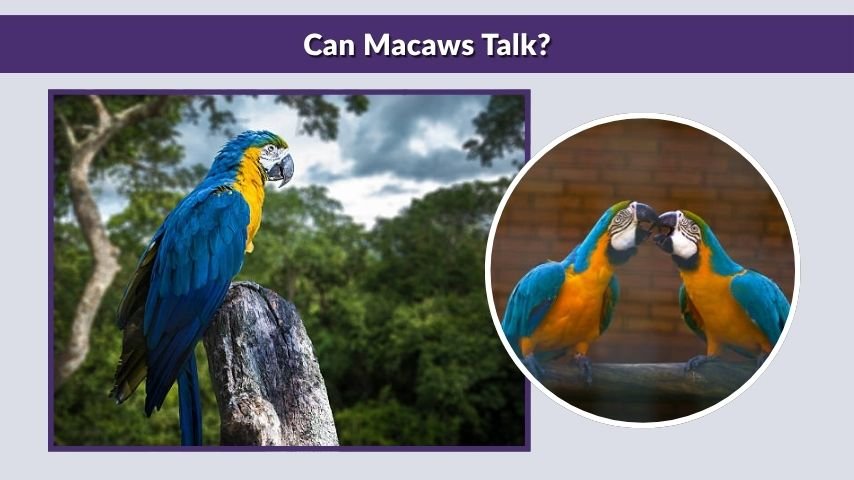
Macaws are well known for their ability to imitate sounds and learn speech. While they may not possess the extensive vocabulary of some African Grey Parrots, many macaws can learn dozens of words and phrases. Their clear voices and engaging personalities often make their speech particularly entertaining.
Success in speech training depends on consistency, repetition, and individual personality. Some birds become excellent talkers, while others prefer whistles, sounds, and vocal expressions. Regardless of speaking ability, most macaws are highly communicative and enjoy interacting with their human companions.
Best Talking Macaw Species
Several species are especially known for their talking abilities.
- Blue and Gold Macaw.
- Green-Winged Macaw.
- Scarlet Macaw.
- Military Macaw.
- Hyacinth Macaw.
Macaw Colors and Appearance
Macaws are famous for their stunning colors and striking appearance. Their vibrant plumage makes them one of the most visually impressive bird species in the world. Different macaw species display unique color combinations, ranging from brilliant blues and golds to vivid reds and greens.
Color variations are determined by species rather than mutations, as seen in some smaller parrots. These natural color patterns help macaws blend into their rainforest environments while also attracting potential mates.
Common Macaw Colors
Several color combinations are commonly found among macaw species.
- Blue and yellow.
- Red, yellow, and blue.
- Green and red.
- Cobalt blue.
- Green and turquoise.
- Gold and blue.
Why Are Macaws So Colorful?
The bright feathers of macaws serve multiple purposes in the wild. Their coloration helps with species recognition, mate attraction, and social communication within flocks. Despite their vivid appearance, rainforest lighting often provides surprising camouflage among leaves and branches.
Baby Macaws
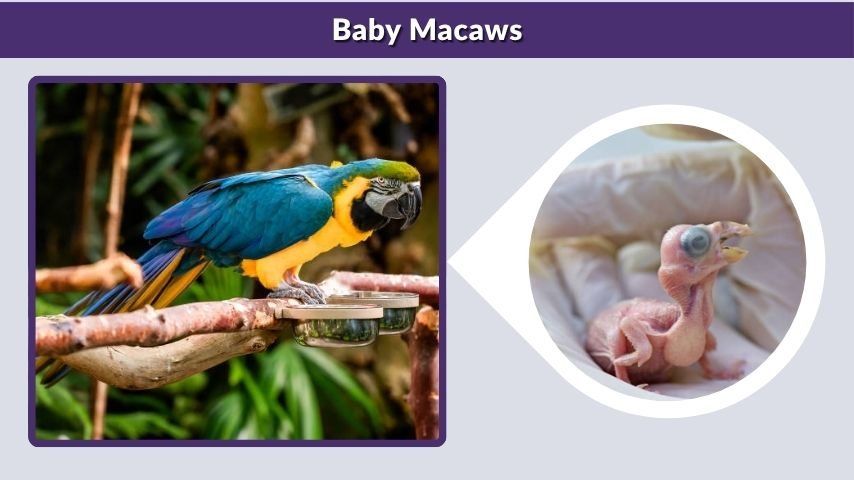
Baby macaws require specialized care during their early development stages. Their physical growth, socialization, and feeding routines play a critical role in shaping future behavior and overall health. Responsible breeders ensure that young birds receive proper nutrition and interaction before being placed in new homes.
Owners interested in purchasing a baby macaw should understand the time and effort required to raise a young parrot successfully. Early experiences significantly influence temperament and trust toward humans.
Baby Macaw Development Stages
Young macaws progress through several important stages.
- Hatchling stage.
- Nestling stage.
- Feather development.
- Weaning period.
- Juvenile stage.
- Young adult stage.
Hand-Fed vs Parent-Raised Macaws
Hand-fed macaws are often more accustomed to human interaction from an early age, while parent-raised birds may develop stronger natural social behaviors. Both methods can produce healthy, friendly companions when managed responsibly by experienced breeders.
Best Food for Macaws
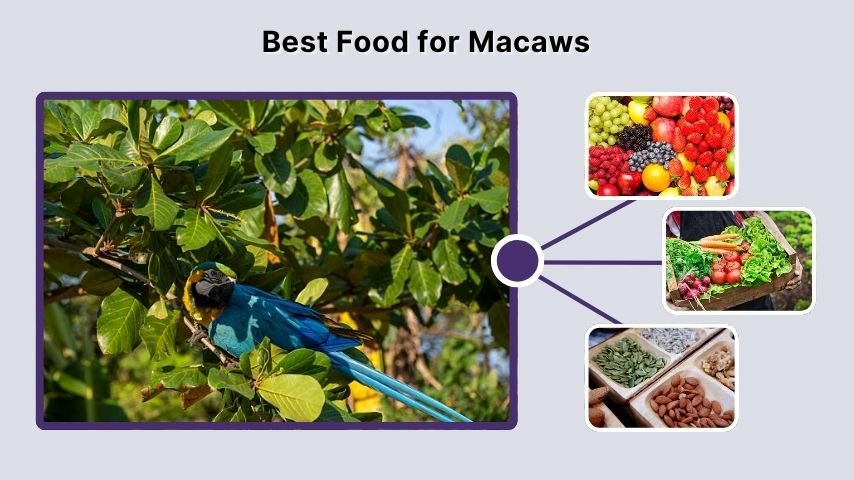
A nutritious diet is essential for maintaining a macaw’s health, energy levels, and feather quality. These large parrots require a variety of foods to meet their nutritional needs. Relying solely on seeds can result in deficiencies and long-term health problems.
A balanced feeding program should include high-quality pellets, fresh produce, nuts, and other healthy foods. Proper nutrition contributes significantly to longevity and disease prevention.
What Do Macaws Eat?
A healthy macaw diet typically includes:
- High-quality parrot pellets.
- Fresh fruits.
- Fresh vegetables.
- Nuts and seeds in moderation.
- Healthy grains and legumes.
Foods Macaws Should Avoid
Certain foods can be harmful or toxic.
- Chocolate.
- Avocado.
- Alcohol.
- Caffeine.
- Onion and garlic.
- Salty or sugary foods.
Choosing the Best Macaw Cage
Macaws require large cages due to their impressive size and active nature. A cage should provide enough room for climbing, stretching, and moving comfortably throughout the day. Since these birds spend significant time in their cages, adequate space is essential for physical and mental well-being.
Strong construction is equally important because macaws possess powerful beaks capable of damaging weak materials. Investing in a durable cage can improve safety and reduce long-term costs.
Essential Cage Features
Every macaw cage should include:
- Spacious interior.
- Heavy-duty construction.
- Secure locking mechanisms.
- Multiple perches.
- Food and water stations.
- Areas for toys and enrichment.
Cage Placement Tips
The cage should be placed in a bright, social area where the bird can interact with family members. Avoid kitchens, direct sunlight, drafts, and isolated rooms. Macaws thrive when they feel included in daily household activities.
Macaw Health and Common Problems
Macaws can enjoy long, healthy lives when provided with proper care. However, like all parrots, they are vulnerable to certain health conditions. Early detection and regular veterinary care are essential for preventing serious medical issues.
Owners should monitor behavior, appetite, feather condition, and activity levels. Sudden changes may indicate illness and require immediate attention from an avian veterinarian.
Signs of a Healthy Macaw
Healthy macaws typically display:
- Bright eyes.
- Smooth feathers.
- Strong appetite.
- Active behavior.
- Normal breathing.
- Alert posture.
Common Health Issues
Several health concerns can affect macaws.
- Feather plucking.
- Nutritional deficiencies.
- Respiratory infections.
- Obesity.
- Beak abnormalities.
- Stress-related disorders.
Macaw Price and Cost of Ownership
Macaws are among the most expensive companion birds available. In addition to the purchase price, owners must budget for cages, food, toys, veterinary care, and ongoing enrichment. The total cost of ownership can be substantial over the bird’s lifetime.
Prices vary depending on species, age, breeder reputation, and geographic location. Rare species generally command significantly higher prices than common varieties.
How Much Does a Macaw Cost?
Average prices vary by species.
- Blue and Gold Macaw: $1,500–$3,500.
- Scarlet Macaw: $2,000–$4,000.
- Green-Winged Macaw: $2,500–$5,000.
- Hyacinth Macaw: $10,000–$25,000+.
Ongoing Ownership Expenses
Owners should budget for:
- Quality food.
- Cage maintenance.
- Veterinary care.
- Toys and enrichment.
- Grooming supplies.
Macaw vs Cockatoo
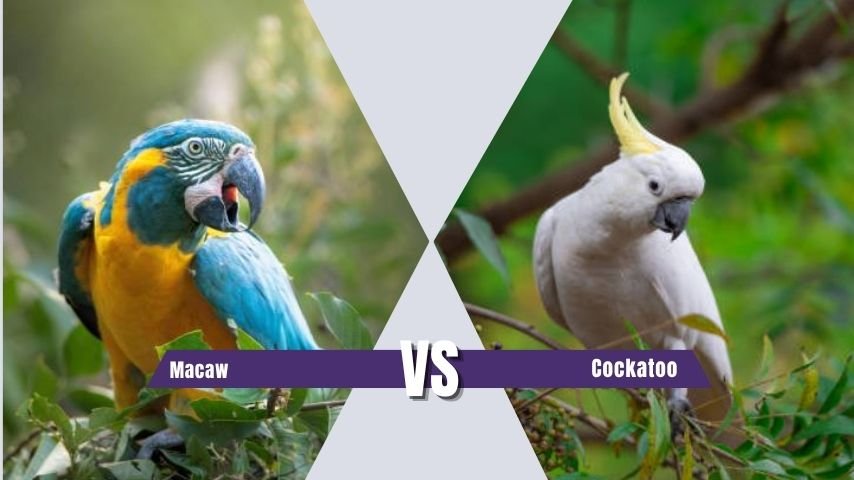
Macaws and cockatoos are both popular large parrots, but they differ in appearance, personality, and care requirements. Macaws are known for their vibrant colors and athletic nature, while cockatoos are recognized for their crests and affectionate personalities.
Choosing between these species depends on lifestyle, experience level, and the amount of time available for daily interaction. Both require significant commitment and long-term care.
Key Differences
Several distinctions separate these parrots.
- Macaws are generally more colorful.
- Cockatoos often require more emotional attention.
- Macaws tend to be more independent.
- Both species have long lifespans.
- Both require extensive socialization.
FAQs
Do Macaws Need a Companion Bird?
Macaws can live happily without another bird if they receive plenty of daily interaction from their owners. Because they are highly social parrots, they require attention, enrichment, and mental stimulation to prevent loneliness and boredom.
Are Macaws Loud?
Yes, macaws are known for their loud vocalizations. They naturally call to communicate with flock members and can produce powerful screams that are audible over long distances. Potential owners should be prepared for a noisy pet.
What Size Cage Does a Macaw Need?
Macaws require large cages that allow them to fully extend their wings and move comfortably. The larger the cage, the better. Spacious enclosures help support physical activity, mental stimulation, and overall well-being.
Can Macaws Be Left Alone During the Day?
Macaws can be left alone for short periods, but they should not spend long hours without interaction on a regular basis. Extended isolation may lead to boredom, stress, screaming, or destructive behaviors such as feather plucking.
What Is the Largest Macaw Species?
The Hyacinth Macaw is the largest flying parrot in the world and the biggest macaw species. It can reach lengths of up to 40 inches (100 cm) and is easily recognized by its stunning cobalt-blue feathers and powerful beak.
