
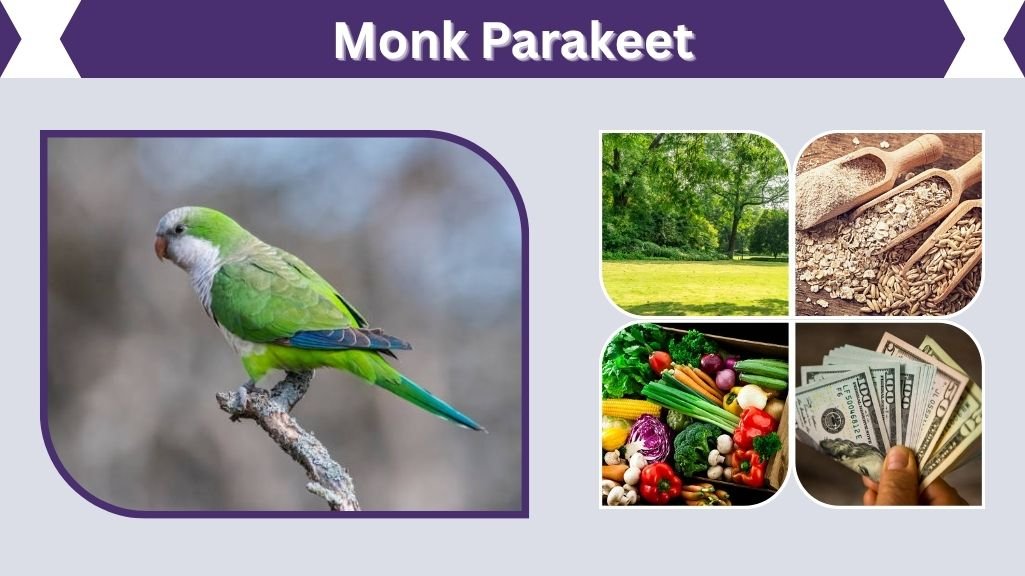
The monk parakeet, also known as the Quaker parrot, is one of the most intelligent and adaptable pet birds in the world. Native to South America, this colorful parrot has gained popularity for its talking ability, playful personality, and strong bond with owners. Monk parakeets are also famous for building large communal nests and thriving in cities far from their native range. Whether you are considering one as a pet or simply want to learn about this fascinating species, this guide covers everything from habitat and lifespan to diet and behavior.
Monk Parakeet Overview
Monk parakeets are small-to-medium-sized parrots recognized for their bright green feathers, gray chest, and lively personalities. Unlike many other parrot species, they construct large stick nests that can house multiple families. Their intelligence, social nature, and ability to mimic human speech have made them popular companion birds worldwide.
What Is a Monk Parakeet?
The monk parakeet (Myiopsitta monachus) is a parrot species native to South America. It is commonly known as the Quaker parrot because the gray feathers on its face and chest resemble the clothing once worn by Quakers. Today, monk parakeets can be found both in the wild and as household pets.
Monk Parakeet Characteristics
Key characteristics of monk parakeets include:
- Bright green body coloration
- Gray face, throat, and chest
- Strong curved beak
- Highly social personality
- Excellent talking and mimicry skills
- Unique nest-building behavior
Monk Parakeet Size and Weight
Adult monk parakeets typically grow to about 11–12 inches (28–30 cm) in length. Most birds weigh between 90 and 150 grams, making them sturdy yet compact parrots suitable for home environments.
Origin and Natural Habitat
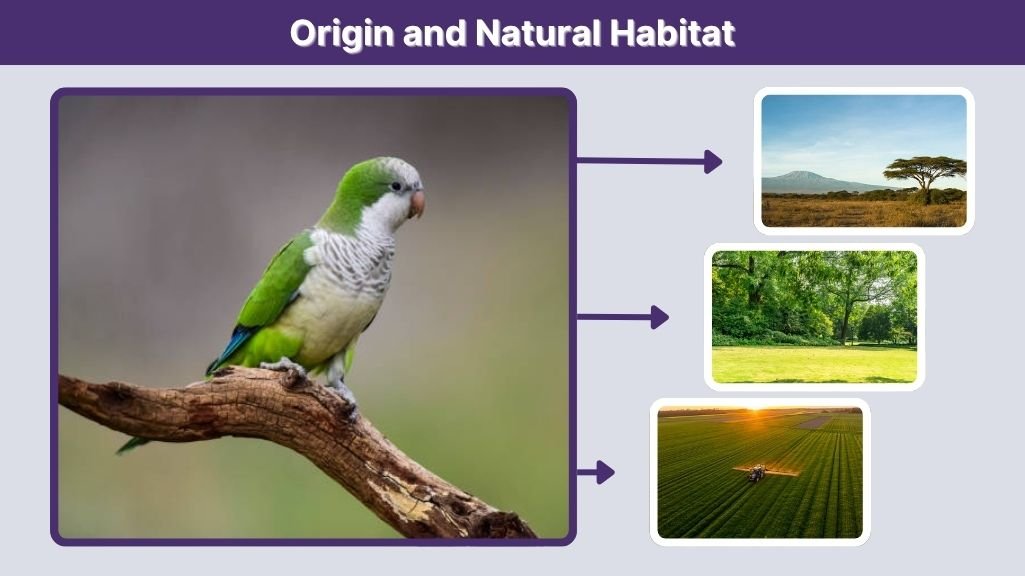
Monk parakeets originated in South America, where they inhabit a variety of landscapes. Their remarkable adaptability has allowed them to establish populations in many countries around the world. Understanding their natural habitat helps explain why they thrive in both rural and urban environments.
Where Are Monk Parakeets From?
The species is native to:
- Argentina
- Uruguay
- Paraguay
- Southern Brazil
- Bolivia
These regions provide the warm climate and food resources necessary for healthy wild populations.
Monk Parakeet Habitat
In their native range, monk parakeets occupy diverse habitats. They are commonly found in grasslands, open woodlands, farmlands, and suburban areas. Unlike some parrots that depend heavily on forests, monk parakeets adapt well to environments altered by human activity.
Why Monk Parakeets Adapt So Well
Monk parakeets are highly resourceful birds. Their ability to use a wide variety of food sources and nesting locations allows them to survive in places where other parrots struggle. This adaptability has contributed significantly to their global spread.
Monk Parakeet Colors and Mutations
One reason for the bird’s popularity is the variety of color mutations available in captivity. While wild monk parakeets have a standard green appearance, breeders have developed several attractive color variations.
Green Monk Parakeet
The green monk parakeet is the natural wild type. It features a bright green body, blue flight feathers, and a pale gray face and chest. This coloration provides excellent camouflage in vegetation.
Blue Monk Parakeet
Blue monk parakeets are among the most sought-after mutations. Instead of green plumage, they display shades of blue and gray that create a striking appearance. Their temperament is generally similar to that of green monk parakeets.
Other Popular Color Mutations
Common color varieties include:
- Yellow (Lutino)
- White
- Albino
- Cinnamon
- Pallid
- Opaline
These mutations are often more expensive than standard green birds due to their rarity and breeding requirements.
Monk Parakeet Lifespan
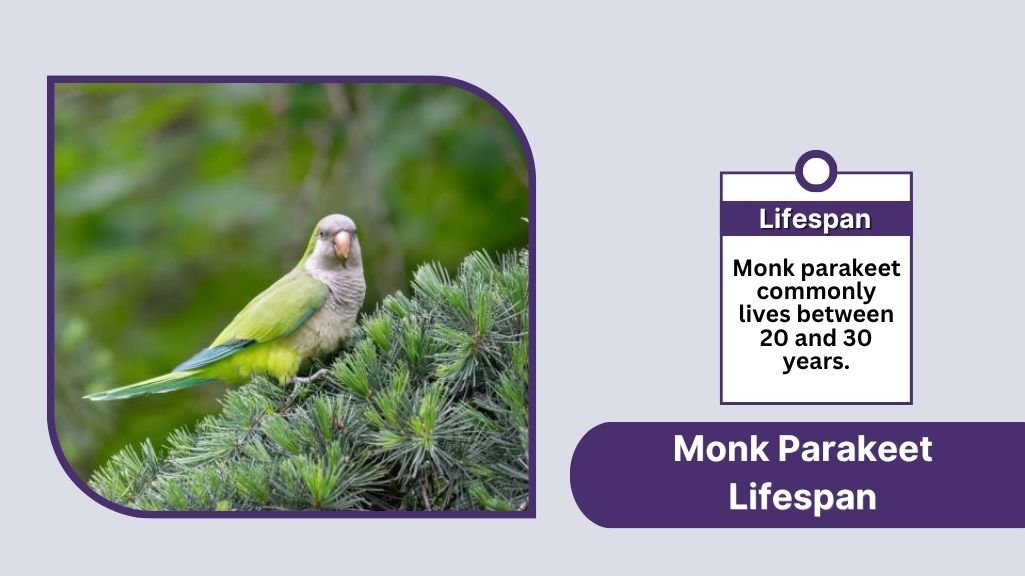
Monk parakeets are relatively long-lived birds when provided with proper care. Their lifespan depends on factors such as diet, housing, genetics, and veterinary attention. Owners who meet their physical and emotional needs often enjoy many years with their feathered companions.
How Long Do Monk Parakeets Live?
Wild monk parakeets generally live shorter lives due to predators, weather conditions, and food shortages. In captivity, however, they can live significantly longer thanks to consistent care and protection.
Monk Parakeet Lifespan in Captivity
A healthy monk parakeet commonly lives between 20 and 30 years. Some individuals exceed this range when provided with exceptional nutrition, mental stimulation, and regular veterinary care.
Factors That Affect Lifespan
Several factors influence longevity:
- Balanced nutrition
- Clean living environment
- Regular exercise
- Veterinary checkups
- Mental enrichment
- Stress management
Birds that receive comprehensive care are more likely to enjoy long, healthy lives.
Monk Parakeet Diet
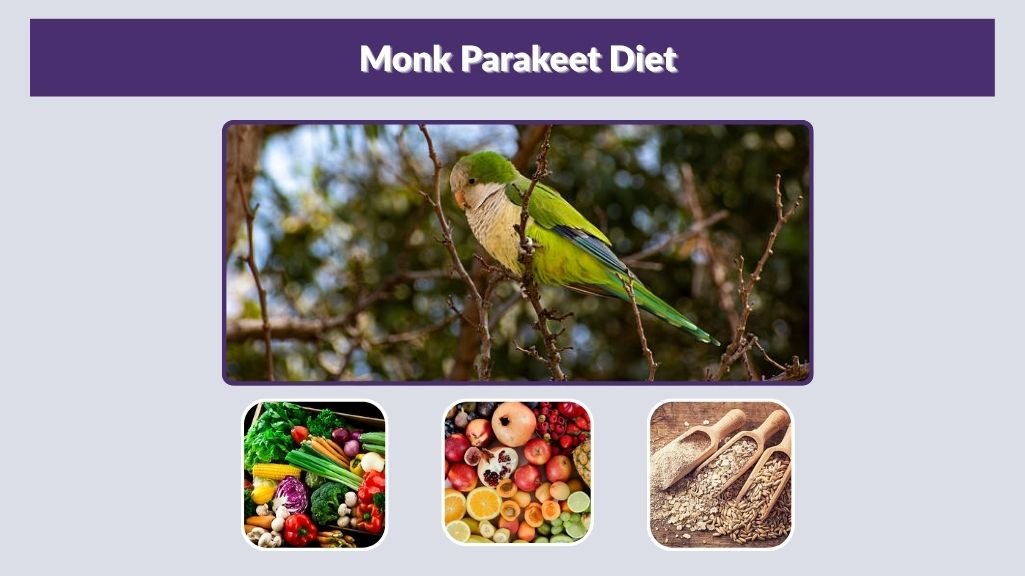
Proper nutrition plays a critical role in maintaining a monk parakeet’s health. These birds require a varied diet that provides essential vitamins, minerals, and nutrients. A balanced feeding plan helps support strong feathers, healthy organs, and a robust immune system.
What Do Monk Parakeets Eat?
In the wild, monk parakeets consume seeds, fruits, berries, grains, and vegetation. They take advantage of seasonal food sources and often forage in agricultural areas.
Best Foods for Monk Parakeets
A healthy pet diet should include:
- High-quality pellets
- Fresh vegetables
- Fruits in moderation
- Healthy grains
- Limited seeds
- Fresh water daily
Foods to Avoid
Some foods can be harmful or toxic to monk parakeets. Owners should avoid feeding chocolate, caffeine, alcohol, avocado, and excessively salty or sugary foods. Providing safe and nutritious options helps ensure long-term health and well-being.
Monk Parakeet Behavior and Personality
Monk parakeets are known for their outgoing personalities and strong social bonds. They thrive on interaction and often form deep attachments with their owners. Their playful nature and intelligence make them one of the most engaging companion parrots available today.
Are Monk Parakeets Good Pets?
For many bird enthusiasts, monk parakeets make excellent pets. They are affectionate, curious, and capable of learning tricks and routines. However, they require daily attention and mental stimulation to remain happy and healthy.
Can Monk Parakeets Talk?
Monk parakeets are considered among the best talking small parrots. Many individuals develop impressive vocabularies and can mimic words, phrases, and household sounds with remarkable clarity.
Monk Parakeet Sounds
These birds communicate through a variety of vocalizations, including:
- Contact calls
- Alarm calls
- Chirps and whistles
- Mimicked words
- Environmental sounds
While their talking ability is appealing, prospective owners should understand that monk parakeets can be noisy, especially when seeking attention.
Monk Parakeet Care Guide
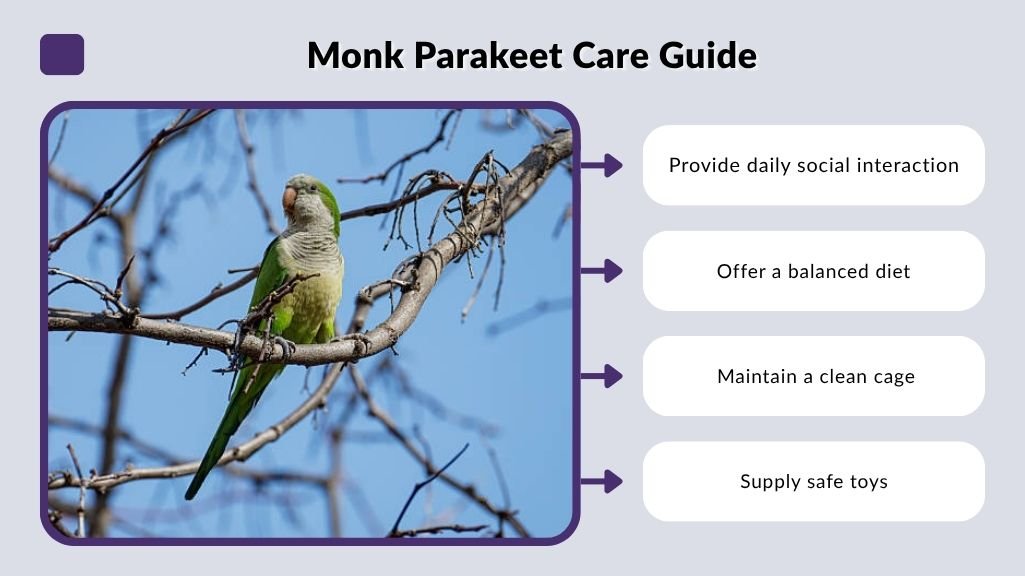
Proper care is essential for maintaining a healthy and well-adjusted monk parakeet. These intelligent birds require more than food and shelter; they need opportunities for exercise, enrichment, and social interaction every day.
Housing Requirements
A spacious cage allows monk parakeets to move comfortably and exercise their wings. The cage should be equipped with multiple perches, food dishes, and enrichment items to prevent boredom.
Essential Care Tips
To keep a monk parakeet healthy:
- Provide daily social interaction
- Offer a balanced diet
- Maintain a clean cage
- Supply safe toys
- Allow supervised out-of-cage time
- Schedule routine veterinary visits
Best Toys for Monk Parakeets
Monk parakeets enjoy toys that challenge their intelligence. Puzzle toys, chewable wood toys, climbing structures, and foraging activities help prevent boredom and destructive behavior.
Monk Parakeet Breeding
Monk parakeets are unique among parrots because they build large communal stick nests rather than nesting in tree cavities. Their breeding habits contribute to their success in both native and introduced environments.
Monk Parakeet Breeding Season
Breeding typically occurs during warmer months when food resources are abundant. Seasonal timing may vary depending on geographic location and climate conditions.
Monk Parakeet Nest Construction
These birds create elaborate nests using sticks and branches. A single nest may contain multiple chambers occupied by different breeding pairs. This communal nesting strategy provides protection and enhances survival rates.
Clutch Size and Chick Development
A typical breeding pair lays between four and eight eggs. After hatching, chicks remain dependent on their parents for several weeks before becoming fully independent.
Are Monk Parakeets Invasive?
Monk parakeets have established wild populations in numerous countries outside their native South American range. Their adaptability and reproductive success have led some regions to classify them as an invasive species.
Why Are Monk Parakeets Invasive?
Several factors contribute to their invasive potential:
- Rapid population growth
- Flexible diet
- Urban adaptability
- Large communal nests
- High reproductive success
These traits allow monk parakeets to thrive in areas where they have been introduced.
Impact on Local Ecosystems
In some locations, monk parakeets compete with native bird species for food and nesting resources. Their large nests can also create challenges when built on utility poles and electrical infrastructure.
Monk Parakeets in Europe and North America
Established populations can be found in Spain, the United Kingdom, Italy, Florida, Chicago, and several other regions. Their continued expansion has prompted wildlife managers to monitor population growth closely.
Why Are Monk Parakeets Illegal in Some Areas?
Ownership and importation regulations vary significantly by country and region. Some governments have implemented restrictions due to concerns about invasive populations and infrastructure damage.
Legal Concerns
Authorities may regulate monk parakeets because:
- They can establish wild colonies
- Their nests may affect power systems
- They can spread rapidly in favorable climates
- Management costs may increase over time
Before Purchasing a Monk Parakeet
Prospective owners should always verify local laws and regulations before acquiring a monk parakeet. Legal requirements can differ between states, provinces, and countries.
Monk Parakeet Price and Ownership Costs
The cost of a monk parakeet depends on factors such as age, color mutation, breeder reputation, and geographic location. Rare color varieties generally command higher prices than standard green birds.
How Much Does a Monk Parakeet Cost?
In many markets, a standard green monk parakeet costs between $300 and $800. Rare mutations such as blue, albino, or lutino birds may cost considerably more.
Factors Affecting Price
Pricing is influenced by:
- Color mutation
- Bird age
- Hand-raised status
- Breeder reputation
- Regional demand
Long-Term Ownership Expenses
Beyond the purchase price, owners should budget for food, toys, cage maintenance, veterinary care, and enrichment items throughout the bird’s life.
Monk Parakeet vs Quaker Parrot
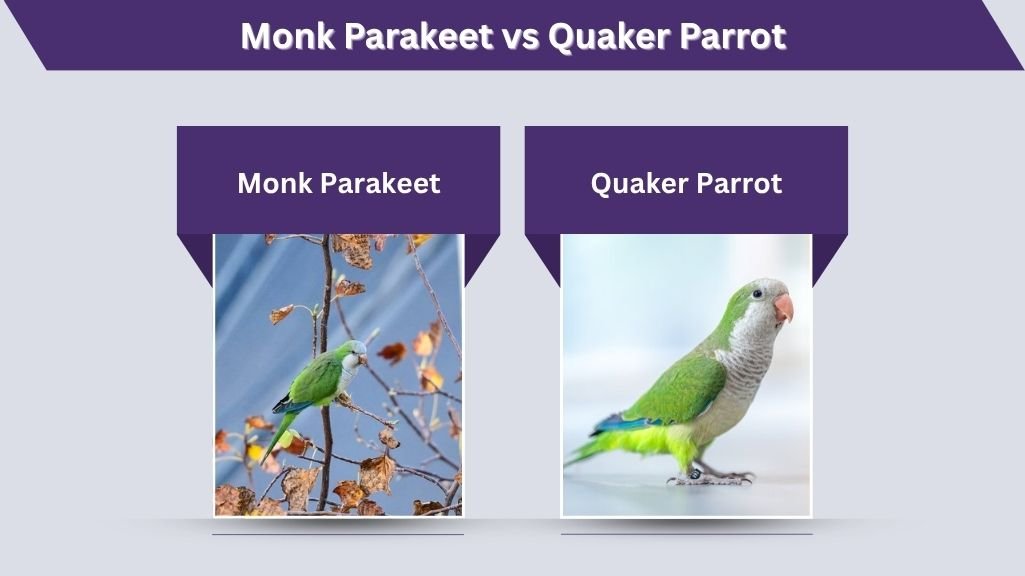
Many people wonder whether monk parakeets and Quaker parrots are different birds. In reality, both names refer to the same species.
Why Two Names Exist
The term “monk parakeet” originates from the bird’s gray chest and face, which resemble a monk’s robe. The name “Quaker parrot” developed from a similar comparison to traditional Quaker clothing.
Which Name Is Correct?
Both names are widely accepted and used interchangeably by avian experts, breeders, and bird owners around the world.
FAQs
What Is the Scientific Name of the Monk Parakeet?
The scientific name of the monk parakeet is Myiopsitta monachus. It is the only species in its genus and is native to South America.
What Is a Monk Parakeet’s Favorite Food?
Monk parakeets enjoy a variety of foods, including fresh vegetables, fruits, pellets, and grains. Many individuals particularly enjoy apples, leafy greens, carrots, and corn as part of a balanced diet.
How Big Does a Monk Parakeet Get?
An adult monk parakeet typically grows to 11–12 inches (28–30 cm) in length and weighs between 90 and 150 grams, making it a medium-sized parrot.
Can Monk Parakeets Live With Other Birds?
Yes, monk parakeets can often live with other birds if introduced properly. However, their territorial and social nature means owners should monitor interactions carefully and provide adequate space.
How Can You Tell if a Monk Parakeet Is Male or Female?
Male and female monk parakeets look almost identical, making visual identification difficult. DNA testing is the most accurate method for determining a monk parakeet’s sex.
