
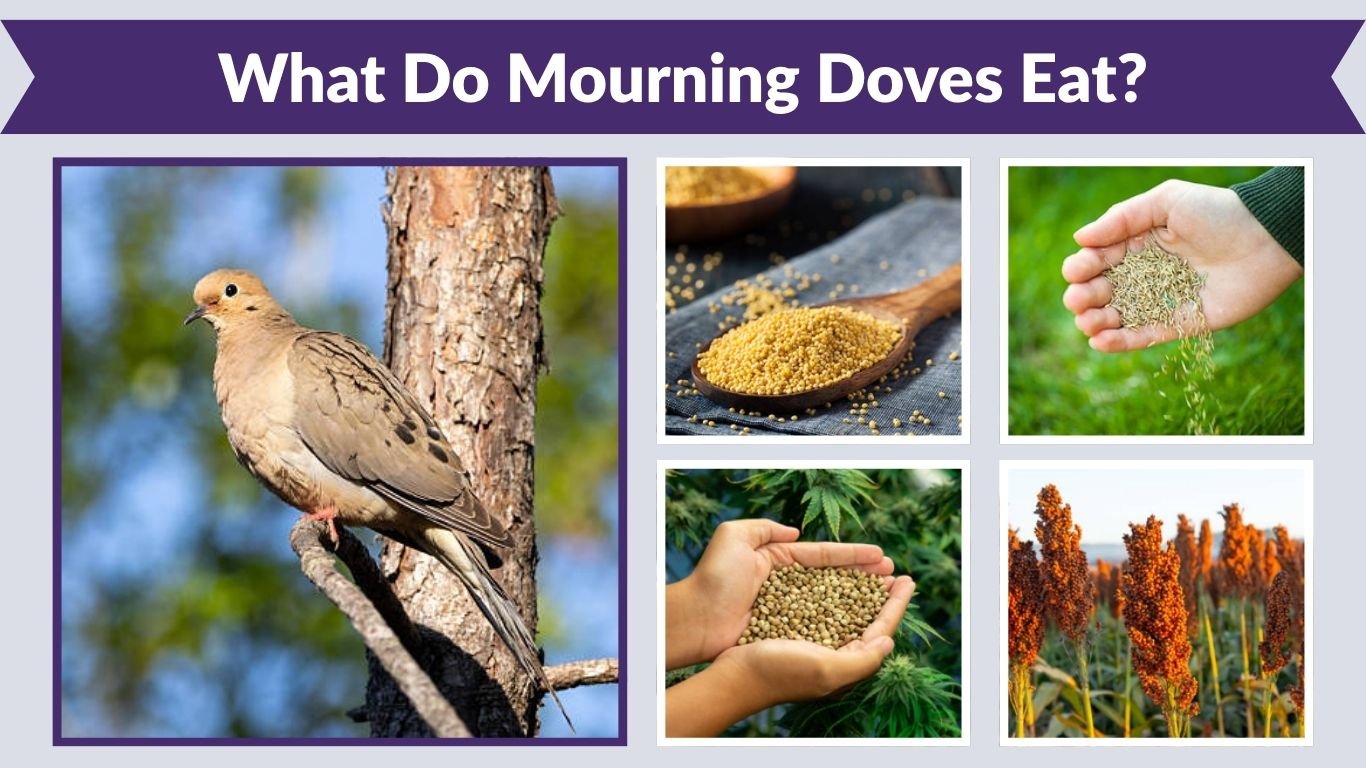
Mourning doves are gentle, ground-feeding birds that rely heavily on natural food sources found in open environments. Their diet mainly consists of seeds, but they also consume grains, berries, and occasional insects to meet their nutritional needs. Because they forage on the ground, they prefer areas where food is easy to spot and access. Understanding what mourning doves eat in the wild helps explain their behavior, habitat choices, and survival strategies. Below, you will find a detailed breakdown of the most common foods they rely on.
1. Grass Seeds
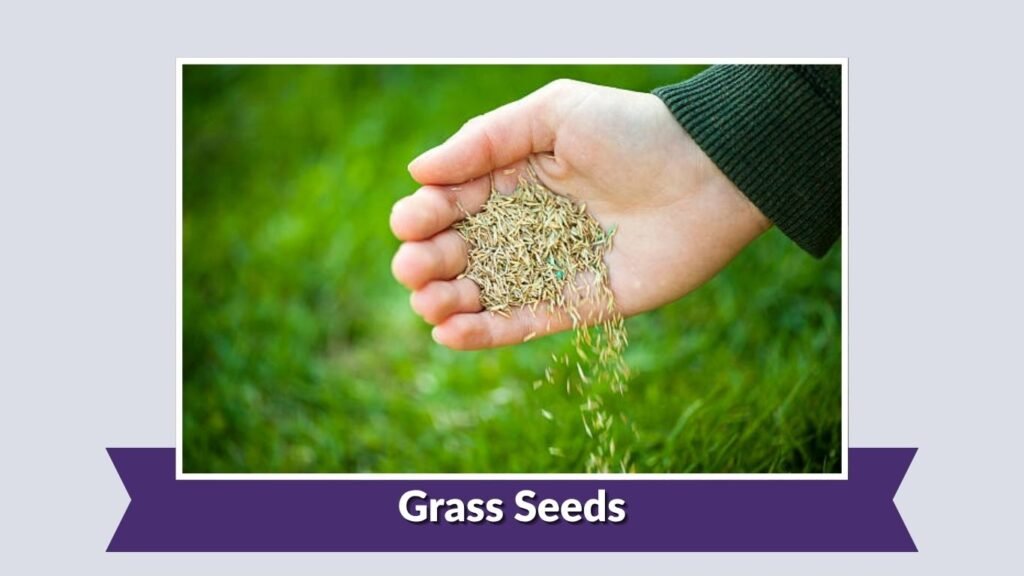
Grass seeds are a primary food source for mourning doves in the wild. These birds spend a large portion of their time on the ground searching for fallen seeds in open habitats. Grass seeds are easy to find, widely distributed, and available across different seasons, making them a dependable part of their natural diet.
Why They Prefer It
- Small and easy to swallow without cracking
- Found in large quantities in open areas
- Requires minimal effort to gather
Where They Find It
Mourning doves commonly locate grass seeds in open fields, roadside edges, lawns, and meadows. They prefer areas with short vegetation where seeds are visible on the ground. After grasses mature and dry, seeds fall naturally, creating ideal feeding spots.
Nutritional Value
Grass seeds provide a strong source of carbohydrates, which fuels the birds’ daily activities such as flying and foraging. While not extremely high in protein, they offer consistent energy, helping mourning doves maintain their active lifestyle and survive in various environments.
2. Weed Seeds

Weed seeds are another major part of a mourning dove’s natural diet. These seeds come from common wild plants that grow freely in fields, gardens, and disturbed soil areas. Because weeds grow quickly and spread widely, their seeds are available in large amounts, making them a reliable food source for these birds throughout the year.
Why They Prefer It
- Easy to find in both rural and urban environments
- Small size fits their feeding style
- Available in large quantities during most seasons
Where They Find It
Mourning doves usually gather weed seeds from open grounds, farmland edges, vacant lots, and roadside patches. They are especially drawn to areas where weeds have dried and dropped seeds onto bare soil, allowing easy access while foraging.
Nutritional Value
Weed seeds provide a mix of carbohydrates and some fats, offering steady energy for daily movement and flight. Although they are not highly protein-rich, their abundance ensures mourning doves can feed consistently without expending too much energy searching for food.
3. Millet
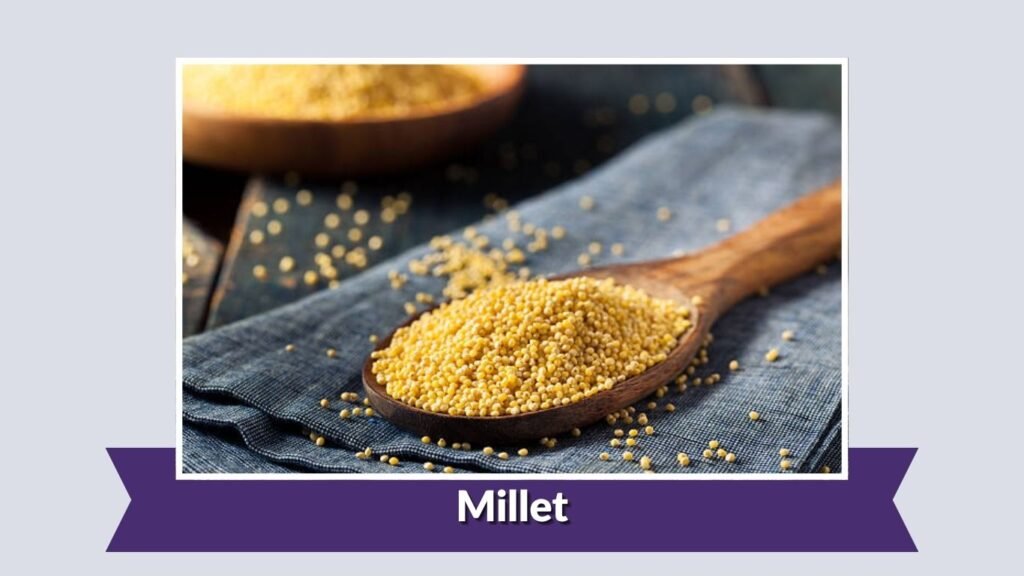
Millet is a small, round seed that mourning doves readily eat in the wild when it is available. It commonly grows in grasslands and cultivated fields, and its lightweight seeds fall easily to the ground, making them ideal for ground-feeding birds like doves. Its soft texture and manageable size make it especially attractive.
Why They Prefer It
- Small and soft, requiring no cracking
- Easy to digest compared to harder grains
- Often found in clusters, allowing quick feeding
Where They Find It
Mourning doves typically find millet in open fields, grasslands, and agricultural areas where it is grown or grows naturally. After the plants mature, seeds scatter onto the soil, creating convenient feeding spots for these birds.
Nutritional Value
Millet provides a good source of carbohydrates along with small amounts of protein and essential minerals. This balance helps support energy levels, feather health, and overall survival, making it a valuable part of their wild diet.
4. Wheat
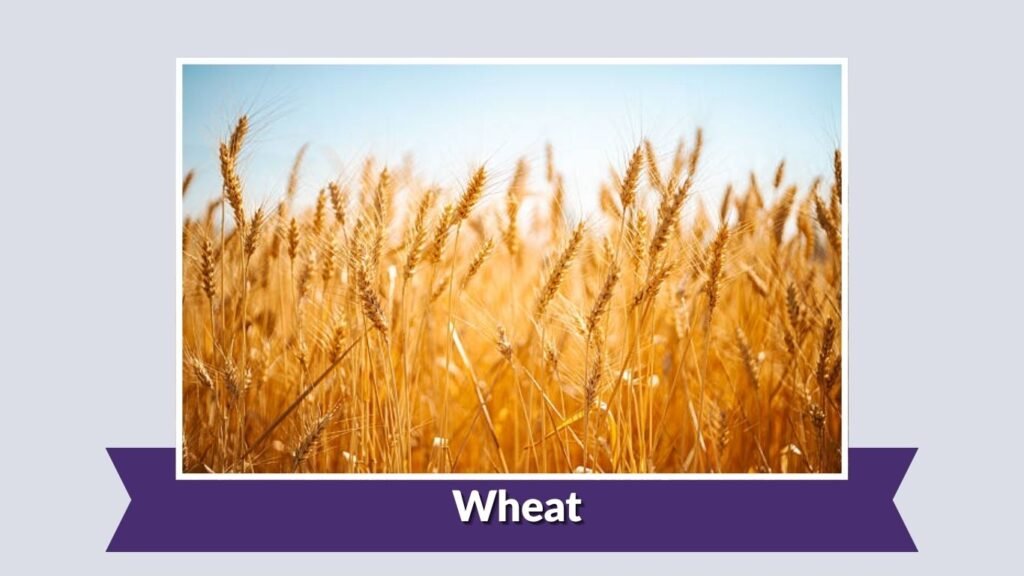
Wheat is a common grain that mourning doves consume in the wild, especially in agricultural regions. After harvest or during growth, wheat grains often fall to the ground, providing easy access for these ground-feeding birds. Its size and softness make it a practical and energy-rich food source.
Why They Prefer It
- Soft grain that is easy to swallow
- Widely available in farming areas
- Provides quick energy for daily activity
Where They Find It
Mourning doves usually find wheat in harvested fields, farm edges, and rural landscapes. Spilled grains from harvesting or transport create feeding opportunities, especially in open areas where the birds feel safe.
Nutritional Value
Wheat is rich in carbohydrates, offering a strong energy boost for flight and movement. It also contains small amounts of protein and fiber, supporting overall health and helping mourning doves maintain their active lifestyle in the wild.
5. Corn
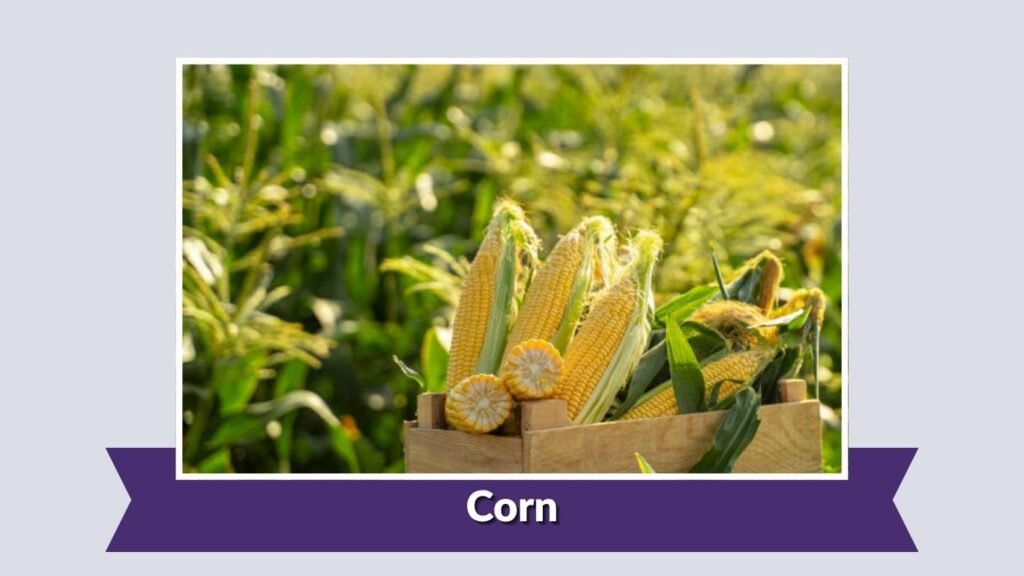
Corn is a larger grain that mourning doves eat when it is broken into smaller pieces or naturally scattered. It is especially common in farming regions, where leftover or spilled kernels become an accessible food source. While whole kernels may be too large, cracked or fragmented corn is ideal for these birds.
Why They Prefer It
- High energy content from natural starches
- Readily available in agricultural areas
- Easy to eat when broken into smaller pieces
Where They Find It
Mourning doves typically forage for corn in harvested fields, near grain storage areas, and along farm roads. Spilled or leftover corn after harvesting provides reliable feeding opportunities, especially in open landscapes.
Nutritional Value
Corn is rich in carbohydrates, making it an excellent energy source for sustained activity and flight. It also contains small amounts of fats and protein, helping support overall health and endurance in the wild.
6. Sunflower Seeds
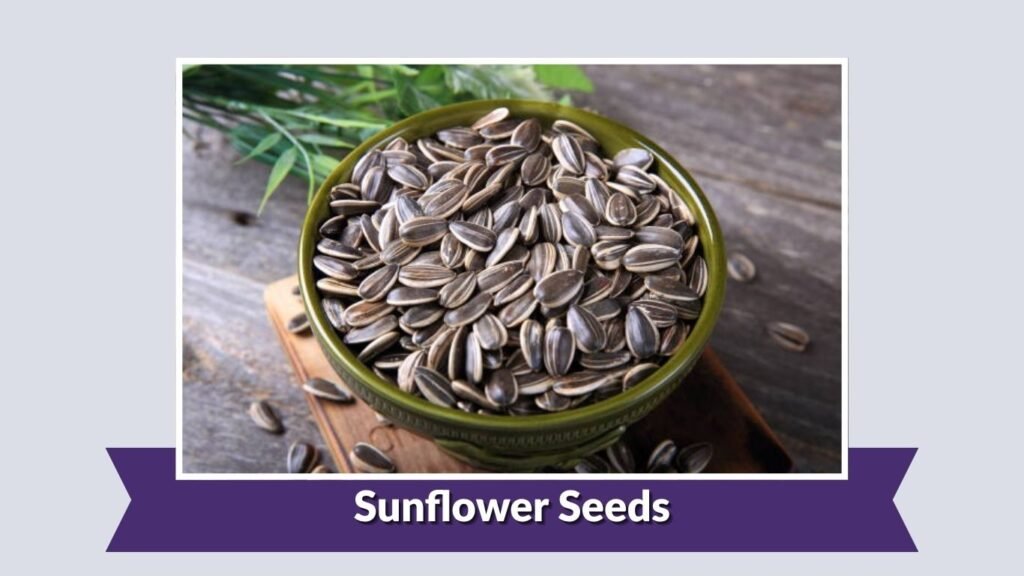
Sunflower seeds are a highly favored food for mourning doves when found in the wild. These seeds come from wild or cultivated sunflower plants and often fall to the ground once mature. Their rich composition and manageable size make them an excellent energy source for ground-feeding birds.
Why They Prefer It
- High in natural oils for extra energy
- Soft enough to swallow without effort
- Commonly found in clusters on the ground
Where They Find It
Mourning doves usually locate sunflower seeds in open fields, wildflower patches, and agricultural lands where sunflowers grow. After the seed heads dry, seeds drop naturally, creating easy feeding spots.
Nutritional Value
Sunflower seeds are rich in fats and calories, providing long-lasting energy. They also contain essential nutrients that support feather condition and overall body health, making them one of the most nutritious options in their natural diet.
7. Sorghum
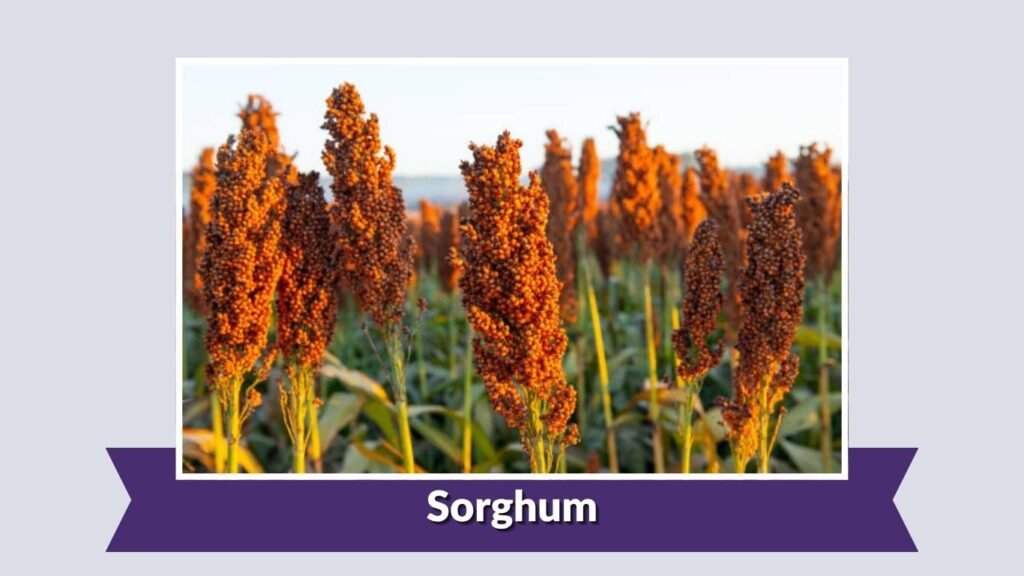
Sorghum is a small grain that mourning doves often eat in the wild, especially in regions where it grows naturally or is cultivated. Its seeds are similar in size to millet, making them easy for doves to pick up and swallow. When mature, sorghum seeds fall to the ground, creating convenient feeding opportunities.
Why They Prefer It
- Small, round seeds that are easy to eat
- Common in open and agricultural areas
- Often found in large quantities
Where They Find It
Mourning doves typically forage for sorghum in fields, grasslands, and farm areas. After harvesting or natural drying, seeds scatter on the ground, making them accessible in open spaces where doves prefer to feed.
Nutritional Value
Sorghum provides a strong source of carbohydrates, supporting energy for flight and daily movement. It also contains small amounts of protein and essential nutrients, helping maintain overall health and stamina in the wild.
8. Ragweed Seeds
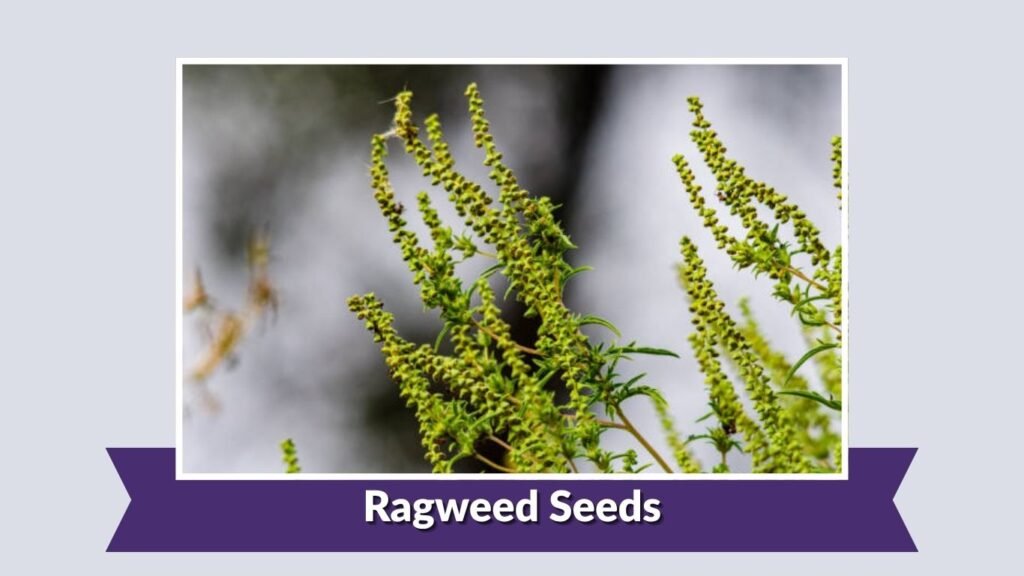
Ragweed seeds are a natural and widely available food source for mourning doves. Ragweed plants grow abundantly in open fields, roadsides, and disturbed soils, producing small seeds that fall easily to the ground. These seeds are especially important during late summer and fall when they are most plentiful.
Why They Prefer It
- Small size makes them easy to swallow
- Grows in large quantities in the wild
- Easily accessible on open ground
Where They Find It
Mourning doves commonly find ragweed seeds in fields, vacant lots, roadside areas, and farmland edges. As the plants dry out, seeds drop to the soil, creating ideal feeding spots for ground foragers.
Nutritional Value
Ragweed seeds provide carbohydrates and some fats, offering a steady source of energy. Their abundance helps mourning doves maintain consistent feeding habits without needing to travel far in search of food.
9. Foxtail Seeds
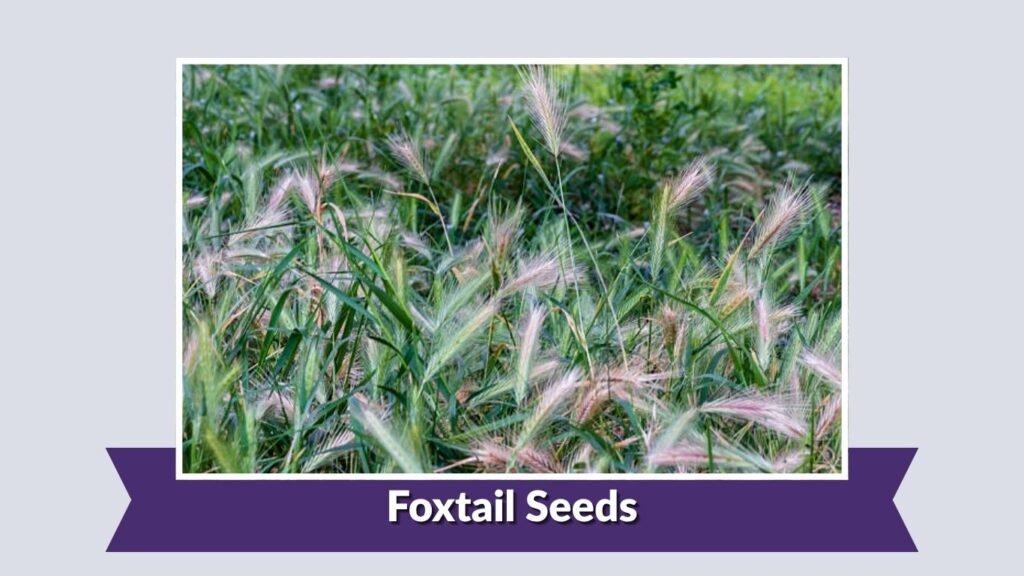
Foxtail seeds come from foxtail grasses, which grow widely in wild and disturbed areas. These grasses produce dense seed heads that eventually dry and release small seeds onto the ground. Mourning doves frequently rely on foxtail seeds because they are easy to find and perfectly suited to their feeding habits.
Why They Prefer It
- Small and lightweight for easy swallowing
- Found in dense clusters for efficient feeding
- Common in many natural environments
Where They Find It
Mourning doves typically gather foxtail seeds in open fields, grasslands, roadsides, and vacant areas. Once the seed heads mature and dry, seeds fall to the ground, making them accessible for ground feeding.
Nutritional Value
Foxtail seeds are rich in carbohydrates, providing essential energy for daily movement and flight. While they contain limited protein, their abundance ensures a steady and reliable food source in the wild.
10. Pine Nuts
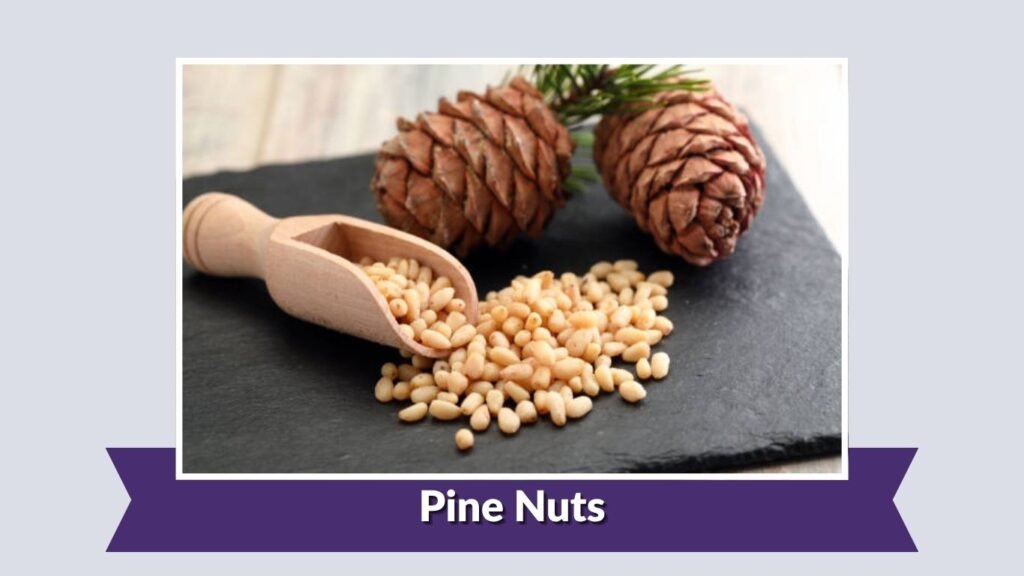
Pine nuts are nutrient-rich seeds that mourning doves may eat when available in the wild. These seeds come from pine cones and are typically found in forested or woodland areas. Although not as commonly consumed as grass or weed seeds, they provide a valuable, high-energy food option.
Why They Prefer It
- Rich in natural fats for sustained energy
- Soft texture makes them easier to eat
- Highly nutritious compared to many other seeds
Where They Find It
Mourning doves can find pine nuts in woodland edges, forests, and areas with pine trees. Seeds become accessible when cones break apart or are disturbed, allowing them to fall to the ground.
Nutritional Value
Pine nuts are high in healthy fats and calories, making them an excellent energy source. They also contain small amounts of protein and essential nutrients, helping support overall strength and endurance in the wild.
11. Wild Berries
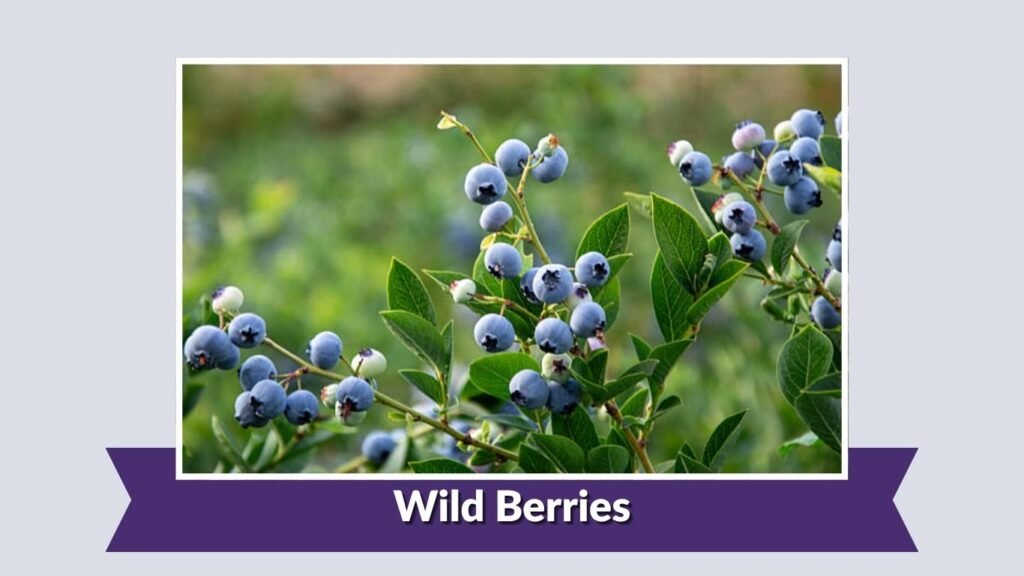
Wild berries are occasionally eaten by mourning doves, especially when seeds are less available. These small fruits grow on shrubs and low plants in natural habitats. While not a primary food source, they provide variety in the diet and are easy to consume due to their soft texture.
Why They Prefer It
- Soft and easy to eat without effort
- Provides moisture along with nutrition
- Readily available in certain seasons
Where They Find It
Mourning doves typically find wild berries in shrublands, forest edges, hedgerows, and overgrown fields. Berries that fall to the ground are especially accessible, as doves prefer feeding on the ground.
Nutritional Value
Wild berries offer natural sugars for quick energy, along with vitamins and antioxidants. Although they are not as energy-dense as seeds, they help support overall health and hydration in the wild.
12. Small Insects
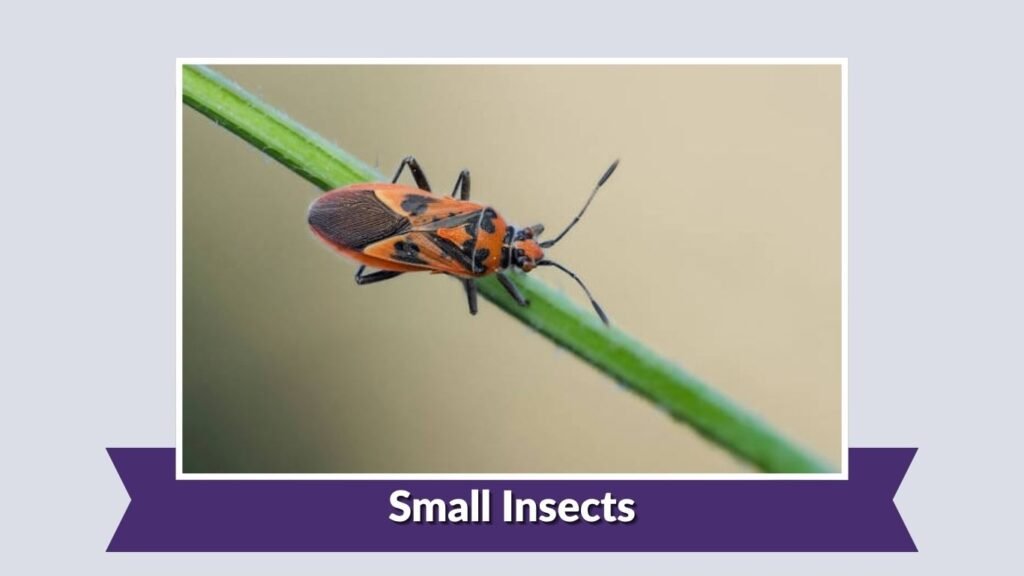
Small insects are a minor but valuable part of a mourning dove’s diet in the wild. Although these birds mainly eat seeds, they occasionally consume insects, especially during warmer months when they are more abundant. This behavior helps supplement their nutritional intake.
Why They Prefer It
- Easy to catch on the ground
- Provides nutrients not found in seeds
- Available in large numbers during certain seasons
Where They Find It
Mourning doves typically find small insects in fields, gardens, and grassy areas while foraging on the ground. They often pick them up alongside seeds without actively hunting.
Nutritional Value
Small insects are rich in protein, which supports muscle maintenance and overall body function. They also provide essential nutrients that help balance the dove’s mostly seed-based diet, especially during breeding periods.
FAQs
What is the main food of mourning doves?
Mourning doves mainly eat seeds, especially grass and weed seeds. These make up the largest portion of their diet because they are easy to find and provide steady energy. Their feeding habits are strongly adapted to picking up small seeds from the ground.
Do mourning doves eat insects regularly?
Mourning doves do not rely heavily on insects, but they do eat small insects occasionally. This usually happens during warmer months when insects are more available. Insects help provide extra protein that seeds alone may not fully supply.
Where do mourning doves usually find food?
Mourning doves mostly find food on the ground in open areas like fields, roadsides, and farmland. They prefer places with short vegetation where seeds are easy to spot and pick up without obstruction.
Can mourning doves eat fruits like berries?
Yes, mourning doves can eat wild berries, though it is not their primary food. Berries provide natural sugars and hydration, adding variety to their diet when seeds are less available.
Why do mourning doves prefer ground feeding?
Mourning doves prefer ground feeding because their body structure and behavior are adapted for it. Their beaks are designed to pick up small seeds easily, and open ground allows them to feed quickly while staying alert for predators.
