
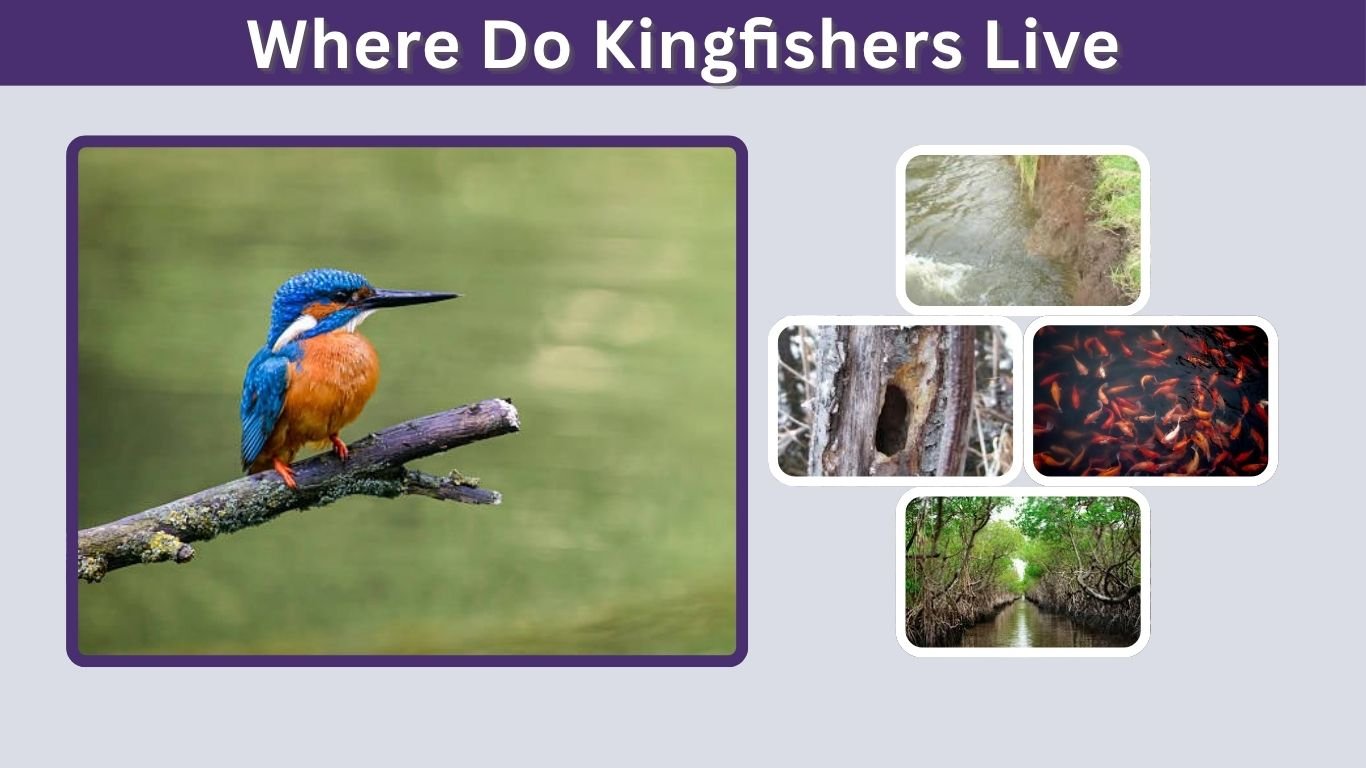
Kingfishers live in many parts of the world, from quiet riverbanks and wooded streams to coastal mangroves, wetlands, lakes, and even dry forests. Although many people picture them diving into water for fish, not all kingfishers live near rivers or the sea. Their habitats depend on the species, climate, food supply, and nesting sites available in each region.
Where Do Kingfishers Live in the World?
Kingfishers are found across much of the world, with species living in Europe, Asia, Africa, Australia, and the Americas. They are especially common in warm tropical and subtropical regions, where wetlands, forests, rivers, and coastal habitats provide plenty of food.
The only places where kingfishers are mostly absent are extremely cold polar regions and some very dry, treeless deserts. Their global spread is wide because different species have adapted to different lifestyles. Some hunt fish along streams, while others catch insects, lizards, frogs, or small animals in forests and open woodland.
Common Regions Where Kingfishers Are Found
Kingfishers live in a wide variety of regions, including:
- Europe: Common kingfishers live along rivers, streams, canals, and lakes.
- Asia: Many species live in forests, wetlands, rice fields, mangroves, and coastal areas.
- Africa: Kingfishers are found near rivers, lakes, savannas, and wooded habitats.
- Australia and Oceania: Forest kingfishers and kookaburras live in woodlands, forests, and near water.
- North America: The belted kingfisher lives near rivers, lakes, ponds, estuaries, and coastlines.
- Central and South America: Several species live in tropical rivers, wetlands, and forest edges.
What Type of Habitat Do Kingfishers Prefer?
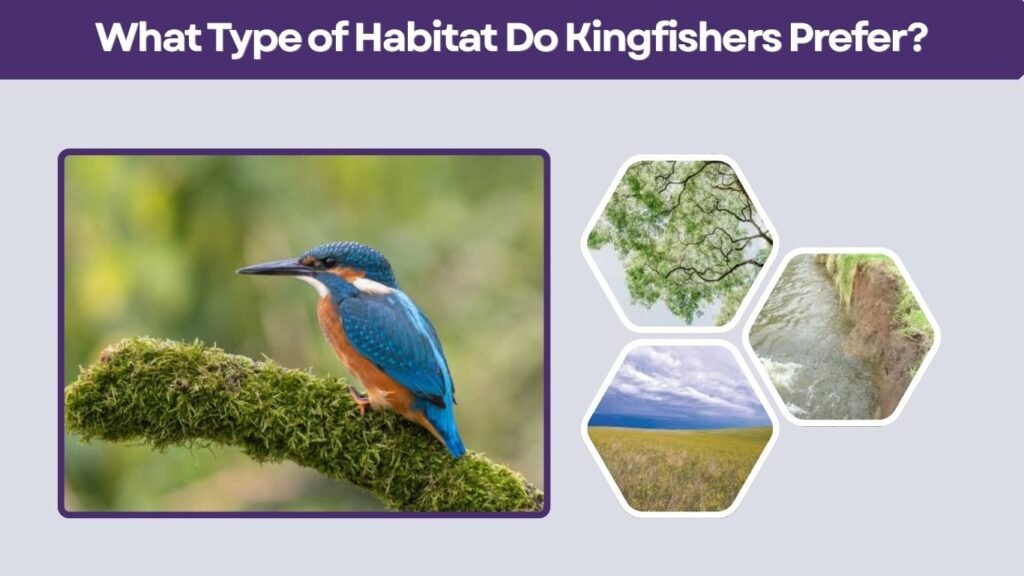
Most kingfishers prefer habitats with good hunting areas and safe nesting banks. For water-loving species, this usually means clear water, overhanging branches, and steep riverbanks where they can dig nesting tunnels. For forest species, it may mean trees, termite nests, open perches, and areas rich in insects or small reptiles.
Kingfishers are highly adaptable, but they still need three basic things: food, perches, and nesting sites.
Main Kingfisher Habitats
| Habitat Type | Why Kingfishers Live There | Common Examples |
|---|---|---|
| Rivers and streams | Clear water, fish, and muddy banks for nesting | Common kingfisher, belted kingfisher |
| Lakes and ponds | Good fishing areas and nearby perches | Pied kingfisher, belted kingfisher |
| Coastal areas | Fish, crabs, and tidal hunting zones | Collared kingfisher, belted kingfisher |
| Mangroves and wetlands | Rich food supply and sheltered habitat | White-throated kingfisher, collared kingfisher |
| Forests and woodlands | Insects, reptiles, small animals, and tree cover | Forest kingfisher, kookaburra |
| Farmland and gardens | Open hunting space and insects | White-throated kingfisher, some woodland species |
Do Kingfishers Live Near Water?
Many kingfishers do live near water because fish and aquatic insects are important food sources. These species often perch on branches, reeds, fence posts, or rocks above the water. When they spot prey, they dive quickly and return to a perch to swallow it.
However, not every kingfisher depends on water. Some species live far from rivers and mainly eat insects, small reptiles, frogs, or even small birds and mammals. This is why kingfishers are often divided into water kingfishers, tree kingfishers, and river kingfishers.
Why Water Is Important for Many Kingfishers
Water habitats help kingfishers because they provide:
- Fish and aquatic insects for regular feeding.
- Open visibility so birds can spot prey from a perch.
- Soft banks where some species dig nesting tunnels.
- Sheltered edges with reeds, roots, and overhanging branches.
- Safe hunting routes along rivers, canals, lakes, and estuaries.
Do Kingfishers Live by the Sea?
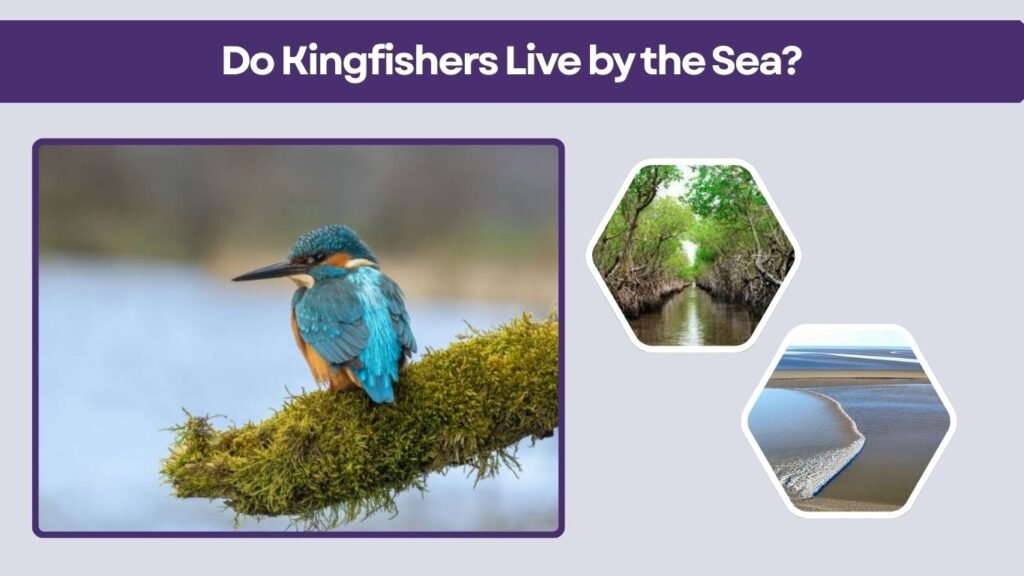
Yes, some kingfishers live by the sea, especially near estuaries, mangroves, rocky shores, tidal creeks, and coastal wetlands. These coastal kingfishers may feed on small fish, crabs, shrimp, and other marine or brackish-water prey.
The belted kingfisher, for example, may live near freshwater rivers as well as coastal bays and estuaries. In parts of Asia and the Pacific, collared kingfishers are strongly associated with mangroves and coastal forests. Still, many kingfishers are inland birds and may never live near the sea.
Coastal Places Kingfishers May Use
Kingfishers that live near the sea are often found around:
- Mangrove forests
- Estuaries
- Coastal lagoons
- Salt marshes
- Tidal rivers
- Rocky shorelines
- Harbors and sheltered bays
Where Do Common Kingfishers Live?
Common kingfishers live across much of Europe, North Africa, and Asia. They are usually found near slow-moving or still freshwater, such as rivers, streams, canals, lakes, ponds, and wetlands. They prefer clean water with plenty of small fish and nearby branches for perching.
These birds often need steep, soft banks where they can dig nesting tunnels. A healthy riverbank with exposed soil, roots, and quiet surroundings is ideal. They may also use artificial banks, drainage channels, and gravel pits if the habitat provides fish and nesting opportunities.
Common Kingfisher Habitat Features
Common kingfishers usually look for:
- Clear or shallow water with small fish
- Low branches or reeds for hunting perches
- Quiet riverbanks with soft soil
- Slow-moving streams, canals, ponds, or lakes
- Sheltered areas with limited disturbance
- Ice-free water during colder months
Where Do Belted Kingfishers Live?
Belted kingfishers live across much of North America. They are often seen near rivers, lakes, ponds, reservoirs, marshes, estuaries, and coastlines. They are easy to recognize because of their large head, shaggy crest, loud rattling call, and habit of flying along waterways.
During breeding season, belted kingfishers usually need vertical banks made of sand, clay, or soft soil where they can dig long nesting burrows. In colder northern areas, some move south in winter when water freezes. In warmer regions, they may stay year-round if food remains available.
Places Belted Kingfishers Commonly Use
Belted kingfishers can live near:
- Freshwater rivers and streams
- Lakes and ponds
- Marshes and wetlands
- Coastal bays and estuaries
- Reservoirs and canals
- Gravel pits and man-made water bodies
Where Do Kingfishers Build Their Nests?
Many kingfishers nest in tunnels. They dig these tunnels into vertical riverbanks, sandbanks, road cuttings, earth walls, or similar soft surfaces. The tunnel may lead to a small nesting chamber where eggs are laid.
Some forest kingfishers use tree holes, termite mounds, or natural cavities instead. Nesting habits vary widely by species, but the goal is usually the same: a protected space away from predators and weather.
Common Nesting Sites
Kingfishers may build or use nests in:
- Riverbanks
- Sandy cliffs
- Earth walls
- Lake edges
- Roadside cuttings
- Termite nests
- Tree cavities
- Coastal banks
- Artificial embankments
For many species, nesting sites are just as important as feeding areas. A river may have plenty of fish, but if there are no suitable banks for burrowing, some kingfishers may not breed there.
Do Kingfishers Live in Forests, Marshes, and Swamps?
Yes, many kingfishers live in forests, marshes, and swamps. Forest kingfishers may stay away from open water and feed mainly on insects, spiders, lizards, frogs, and other small prey. Wetland kingfishers often use marshes and swamps because these habitats are rich in fish, amphibians, crustaceans, and insects.
Marshes and swamps also provide reeds, roots, branches, and muddy banks that support hunting and nesting. In tropical regions, kingfishers are especially diverse in wet forests and mangrove areas.
Why Wetlands Attract Kingfishers
Wetlands are useful habitats because they offer:
- Abundant fish, frogs, insects, and small aquatic animals
- Dense vegetation for cover
- Perches near open water
- Muddy or sandy nesting banks
- Shallow hunting areas
- Less competition in quiet backwaters
How Long Do Kingfishers Live?
The lifespan of a kingfisher depends on the species, habitat, predators, weather, and food supply. Many small kingfishers face high risks during their first year, especially from starvation, cold weather, flooding, and predators. Birds that survive their early life may live several years in the wild.
Some kingfishers may live around 5 to 10 years, although many do not reach that age. Larger species, such as kookaburras, can live longer, especially in safe habitats or managed environments.
What Do Kingfishers Need to Survive?
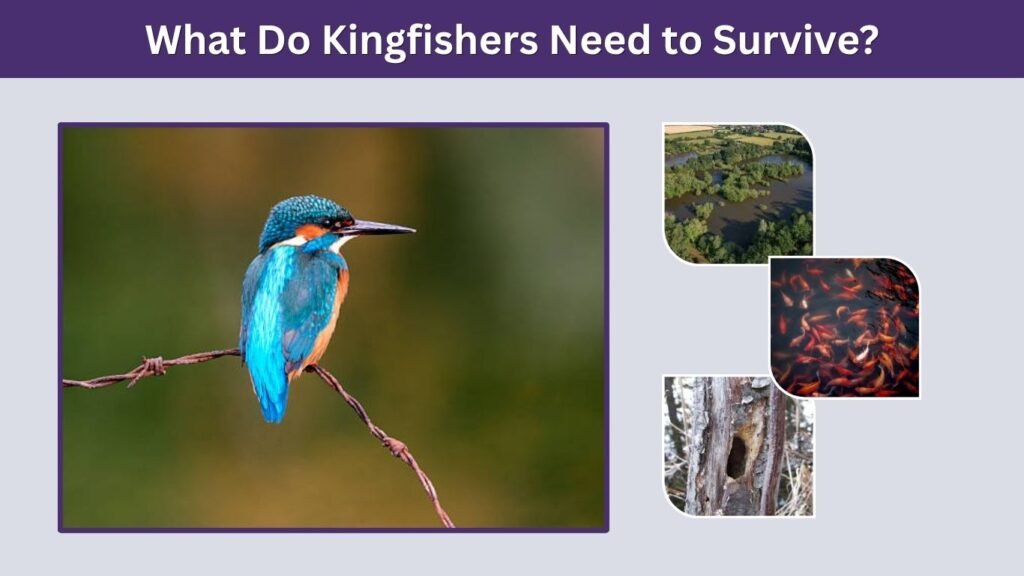
Kingfishers need a reliable food source, safe nesting places, and suitable hunting perches. Clean waterways are especially important for fish-eating species because polluted or muddy water can make hunting harder. Habitat loss, riverbank damage, and disturbance during nesting season can reduce local populations.
Even though kingfishers are skilled hunters, they are sensitive to changes in their environment. Protecting rivers, wetlands, forests, and coastal habitats helps them survive.
Key Survival Needs
Kingfishers depend on:
- Clean rivers, lakes, wetlands, or healthy forest habitats
- Enough prey, such as fish, insects, frogs, or reptiles
- Perches for watching and diving
- Safe banks, cavities, or nest sites
- Low disturbance during breeding season
- Protection from pollution and habitat destruction
FAQs
Where do kingfishers live?
Kingfishers live in many habitats, including rivers, streams, lakes, ponds, wetlands, mangroves, coastlines, forests, and woodlands. Many species prefer areas near water, but some forest kingfishers live far from rivers and feed mostly on insects, reptiles, and other small animals.
Where do kingfisher birds live in the world?
Kingfisher birds live across Europe, Asia, Africa, Australia, Oceania, and the Americas. They are most diverse in tropical and subtropical regions. Different species occupy different habitats, from freshwater rivers and coastal mangroves to rainforests, open woodland, and marshy wetlands.
Do kingfishers live by the sea?
Some kingfishers do live by the sea, especially around estuaries, mangroves, salt marshes, tidal rivers, and sheltered bays. Coastal species may feed on small fish, crabs, and shrimp. However, many kingfishers are inland birds that live around freshwater or forest habitats.
Where do belted kingfishers live?
Belted kingfishers live across much of North America. They are usually found near rivers, lakes, ponds, marshes, reservoirs, estuaries, and coastlines. They often nest in burrows dug into sandy or earthy banks close to water where they can hunt fish.
Do kingfishers live in marshes and swamps?
Yes, kingfishers can live in marshes and swamps when food and nesting sites are available. These wet habitats often provide fish, frogs, insects, crustaceans, and good perches. Some species also use mangroves and wooded wetlands as regular feeding and breeding areas.
