
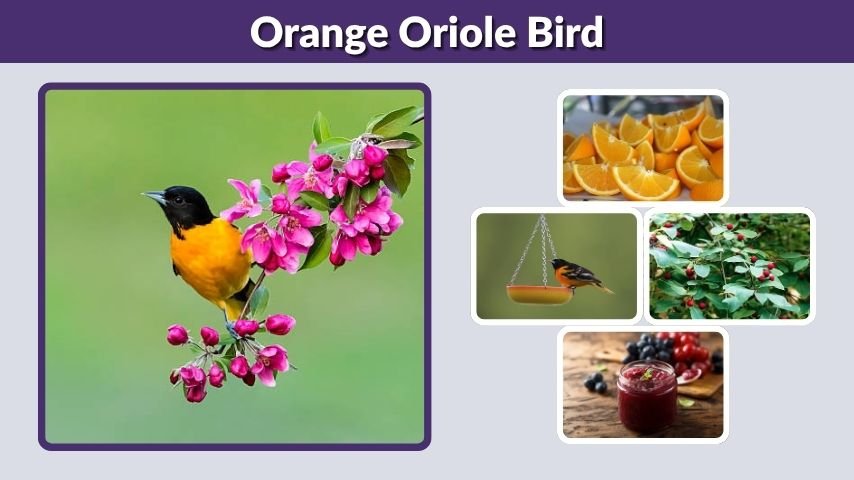
Orange Oriole Bird: Identification, Food, and Feeders
An orange oriole bird is usually a bright, slender songbird with a pointed bill, longish tail, and bold orange, black, yellow, or white markings. In … Read More
An orange oriole bird is usually a bright, slender songbird with a pointed bill, longish tail, and bold orange, black, yellow, or white markings. In … Read More
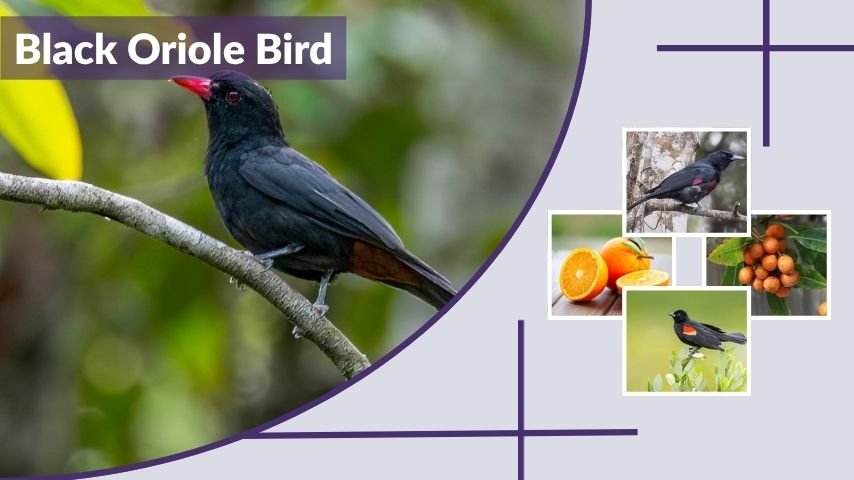
A black oriole bird is usually not an all-black bird. Most “black orioles” people notice are orioles with black mixed with orange, yellow, or white. … Read More
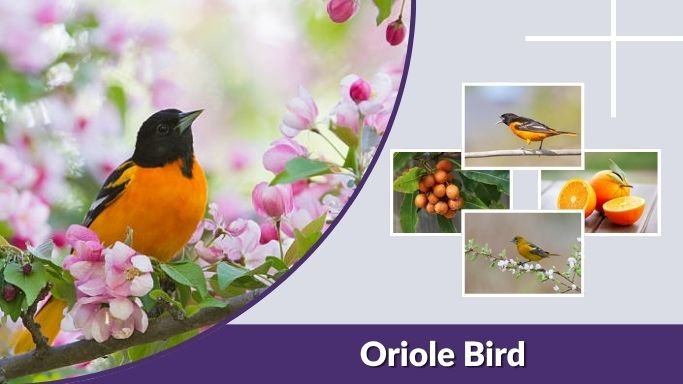
An oriole bird is usually recognized by its bright orange, yellow, black, or chestnut coloring, slender body, pointed bill, and musical whistle-like song. The Baltimore … Read More
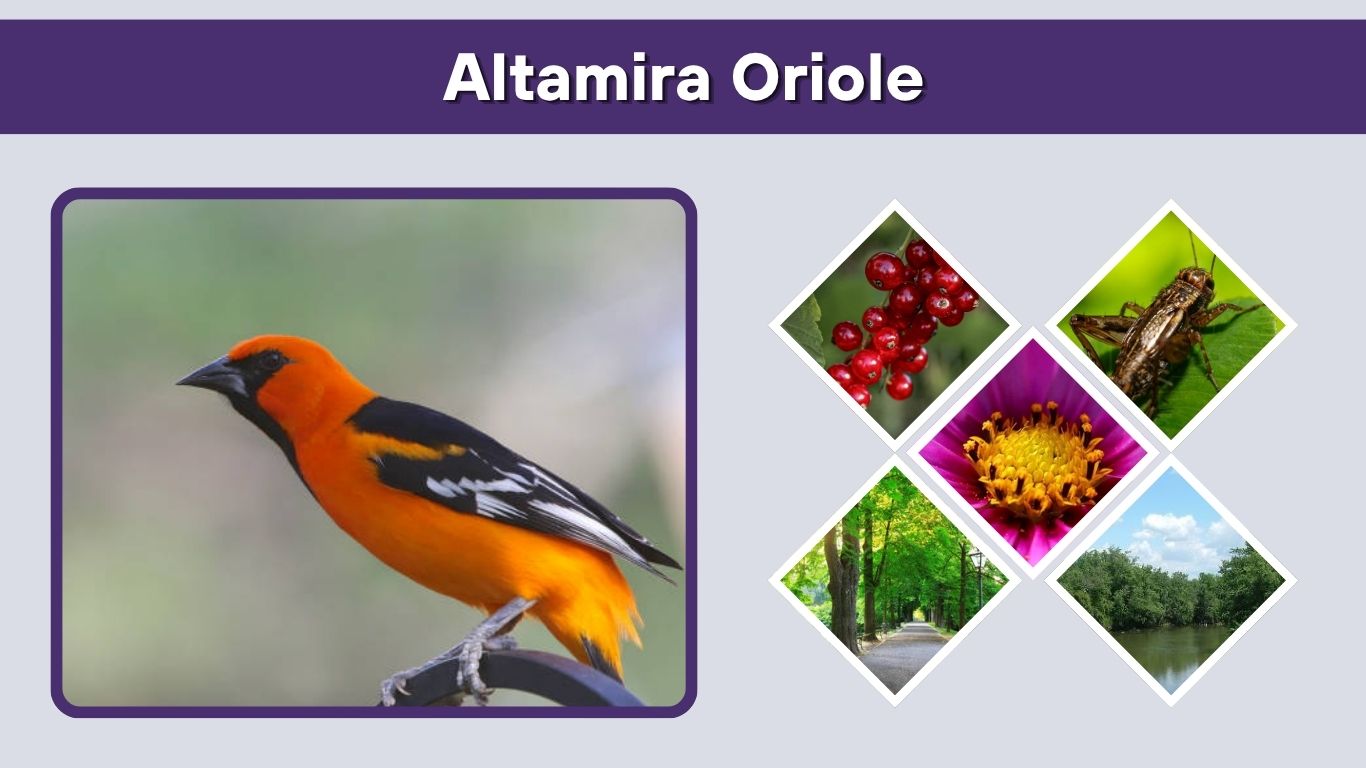
The Altamira Oriole is a striking orange-and-black bird best known for its tropical look, rich voice, and long hanging nest. In the United States, it … Read More
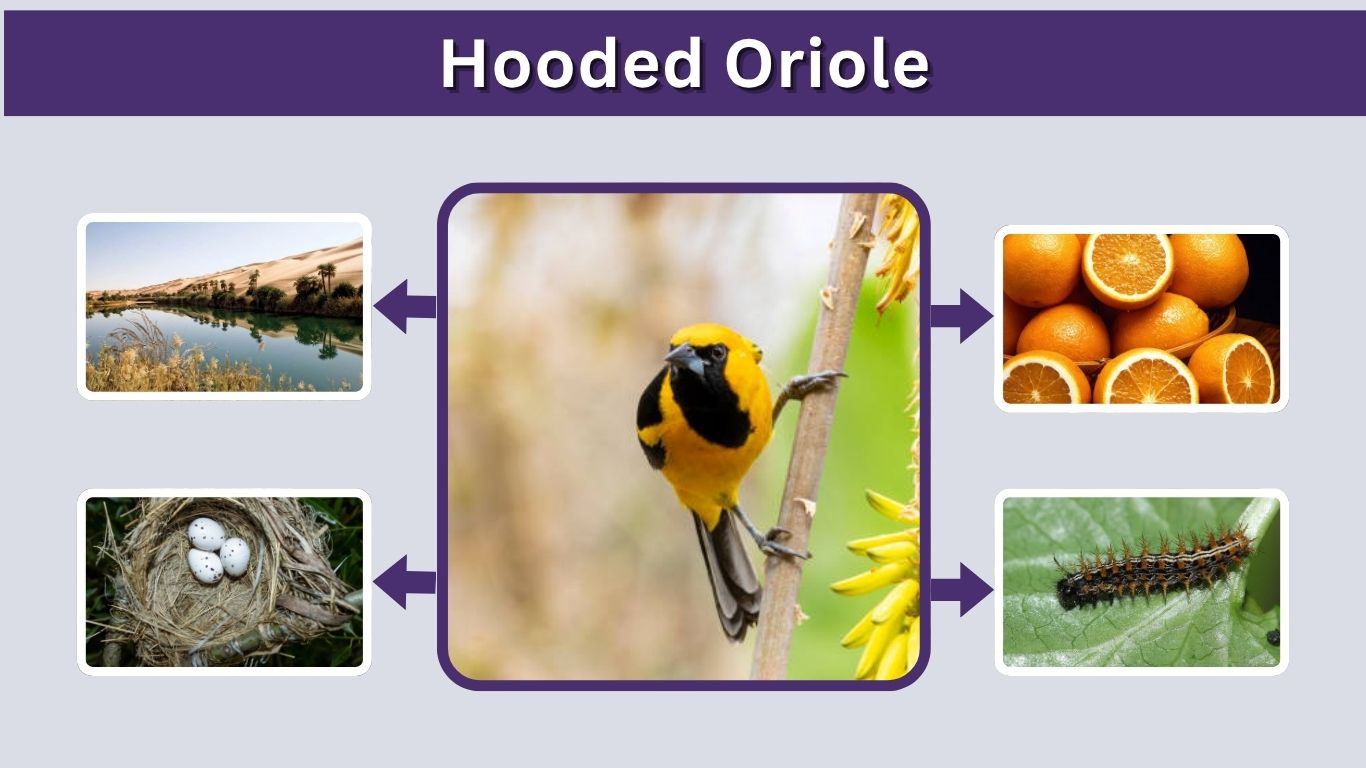
The Hooded Oriole is a bright, elegant songbird best known for its yellow-orange color, slim body, curved bill, and love of palms, flowers, and backyard … Read More
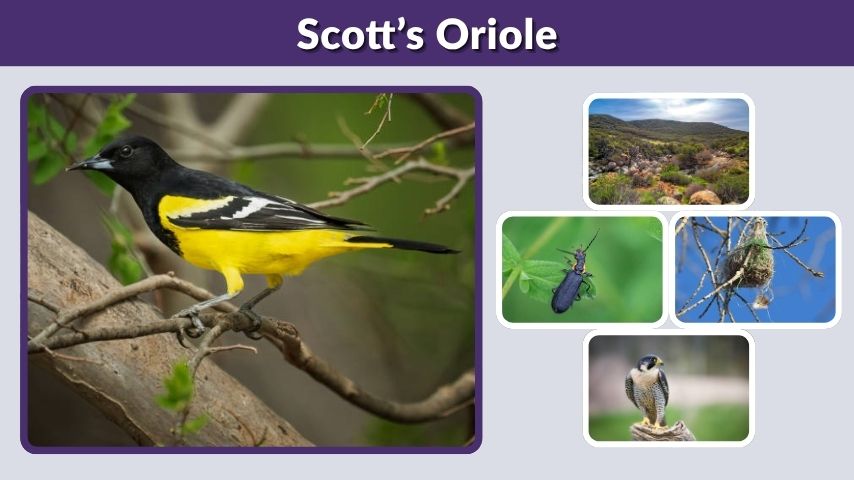
Scott’s Oriole is one of the most striking yellow-and-black birds of the American Southwest. Often seen around yuccas, desert slopes, canyons, and open woodland edges, … Read More
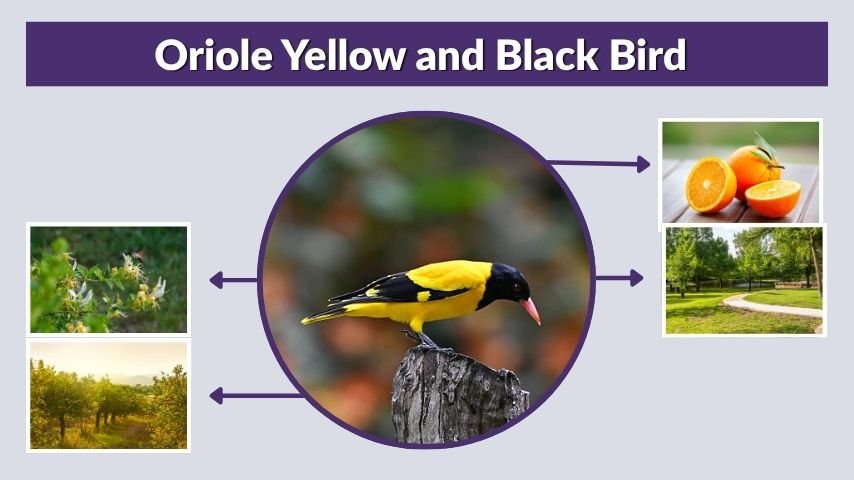
An oriole yellow and black bird is usually one of the most eye-catching birds you can spot in a yard, woodland edge, park, or garden. … Read More
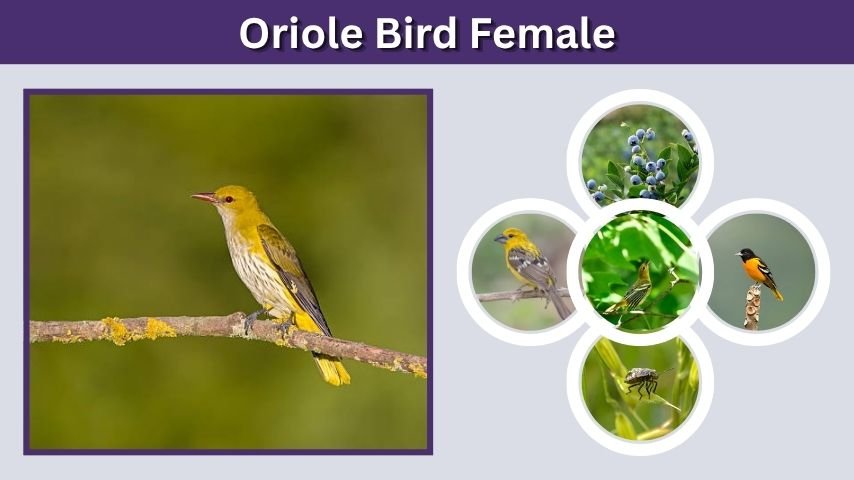
Female orioles are beautiful birds, but they are often harder to identify than males. While male orioles usually have bold black and orange plumage, females … Read More
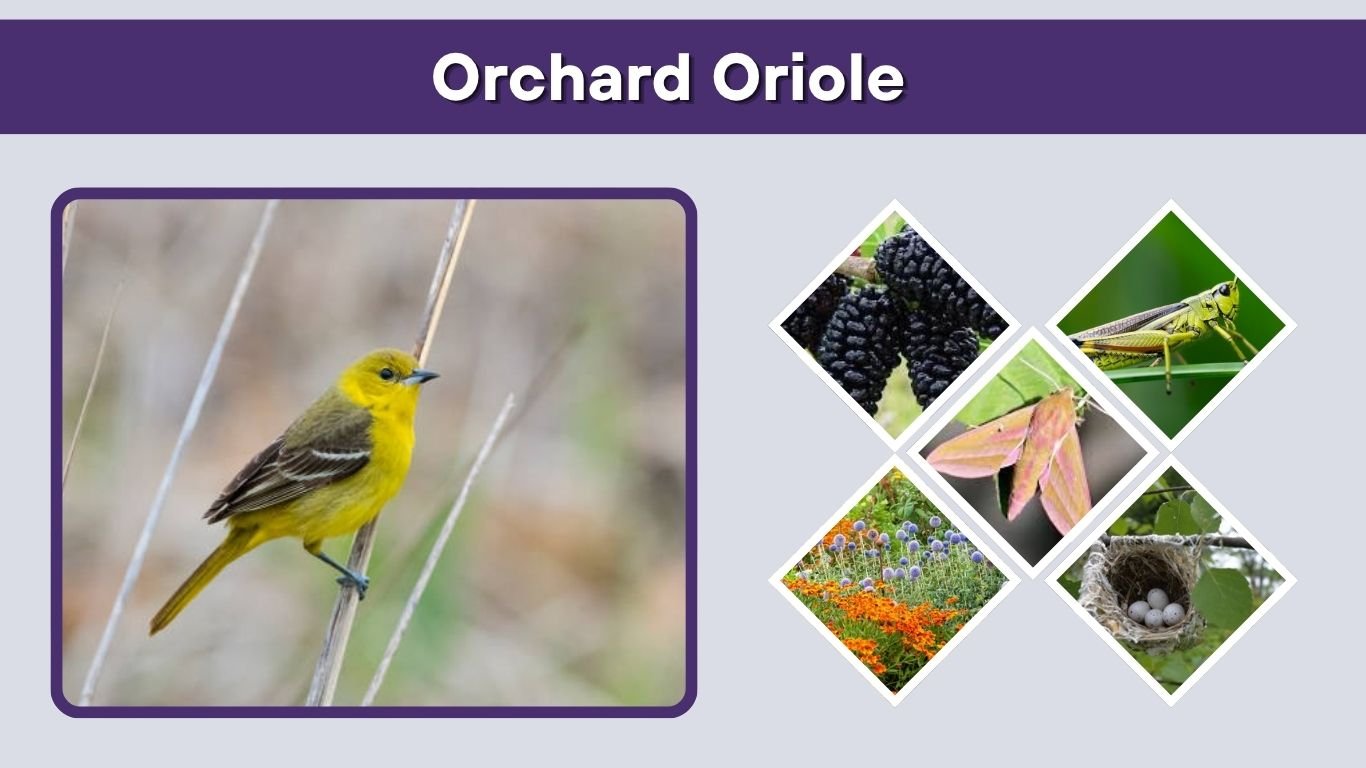
The orchard oriole is a small, colorful songbird known for its rich song, slim body, and active movement through trees and shrubs. Males have deep … Read More
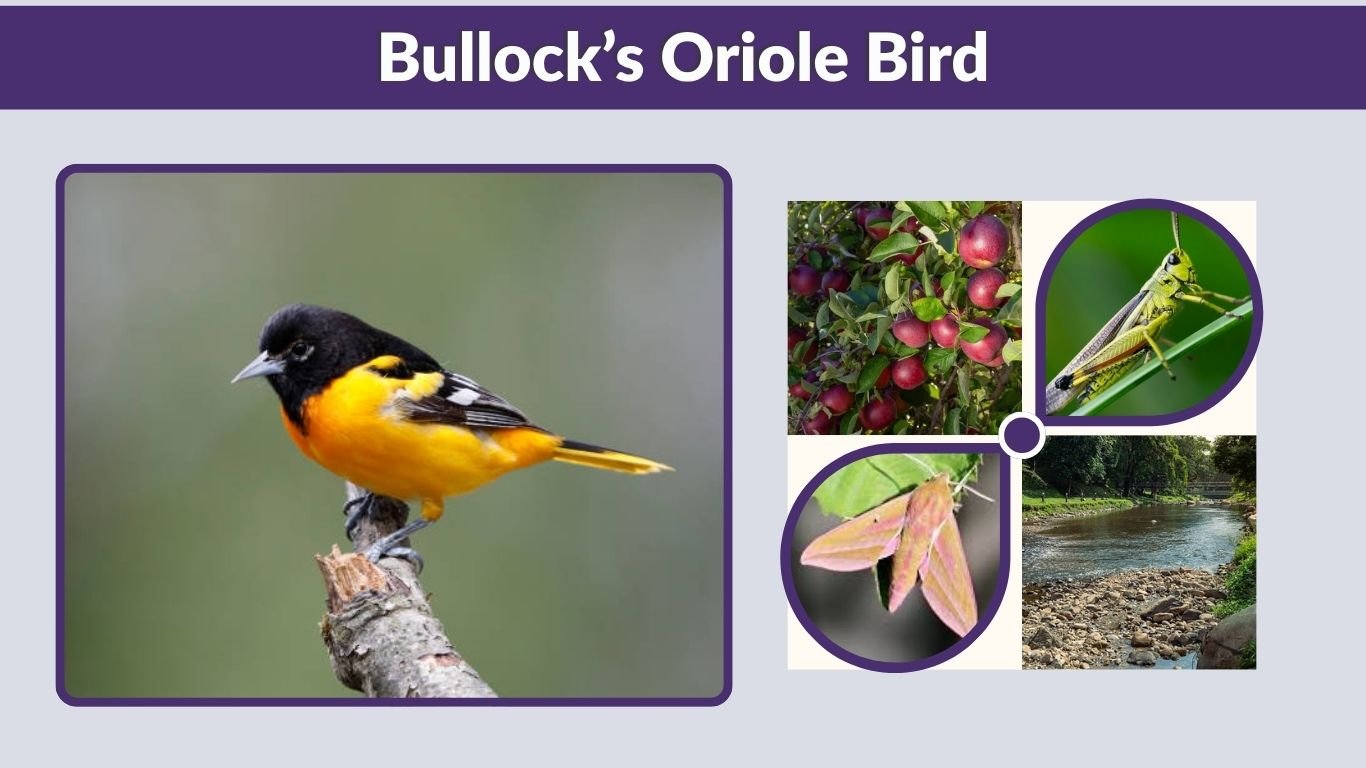
Bullock’s oriole is a bright western songbird known for its orange, black, and white pattern, hanging nest, and clear whistled song. It is often seen … Read More