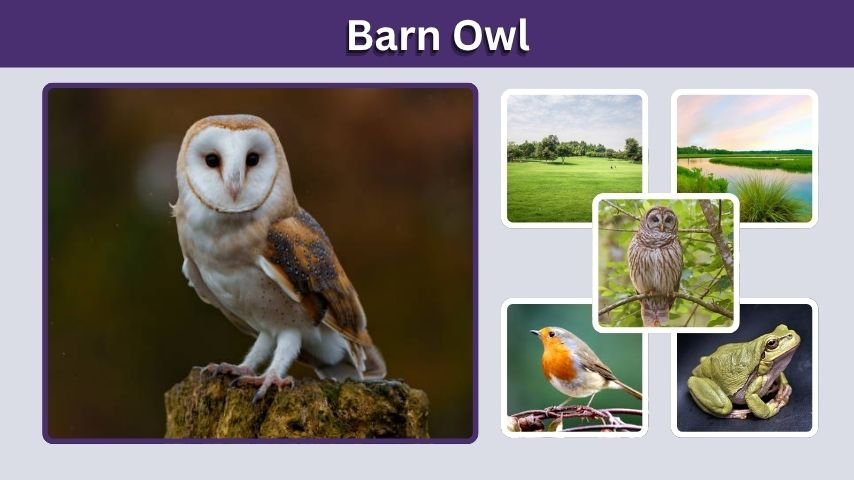
Barn Owl: Sounds, Habitat, Diet, Size and Facts
Barn owls are among the most recognizable owls in the world, known for their heart-shaped face, pale body, silent flight, and strange nighttime screeches. Unlike … Read More
Barn owls are among the most recognizable owls in the world, known for their heart-shaped face, pale body, silent flight, and strange nighttime screeches. Unlike … Read More
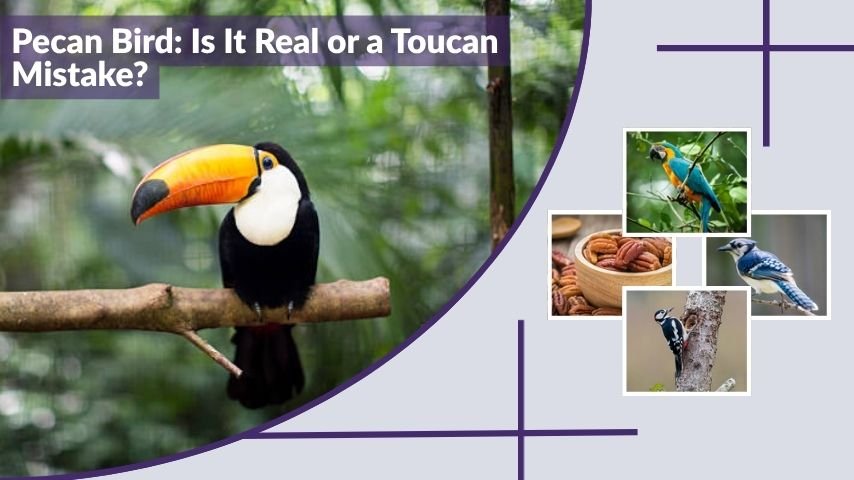
Many people search for “pecan bird” after hearing the phrase online, seeing a colorful bird image, or confusing it with a similar-sounding name. But is … Read More
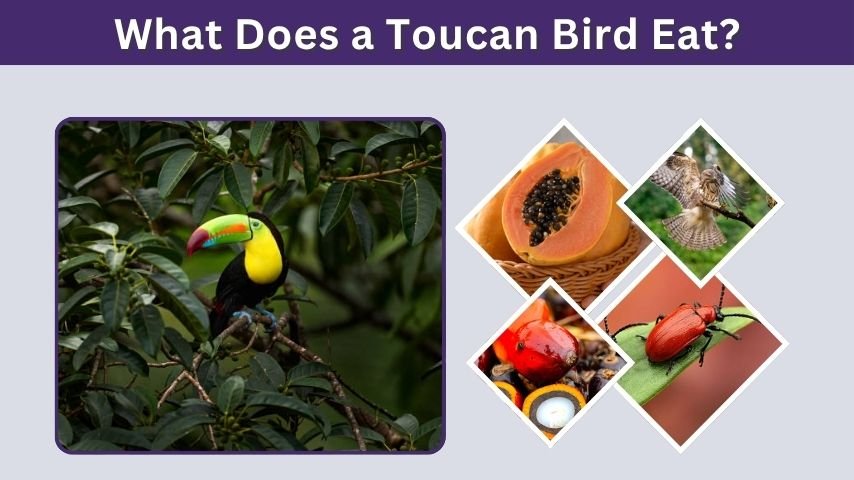
Toucans are famous for their bright colors and huge bills, but their eating habits are just as interesting as their appearance. So, what does a … Read More
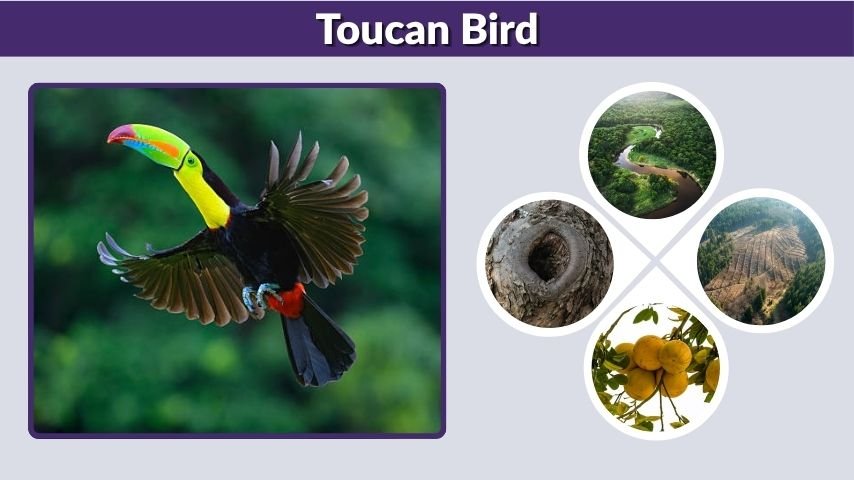
Toucans are among the most recognizable tropical birds in the world, known for their oversized colorful bills and bright forest presence. But where does the … Read More
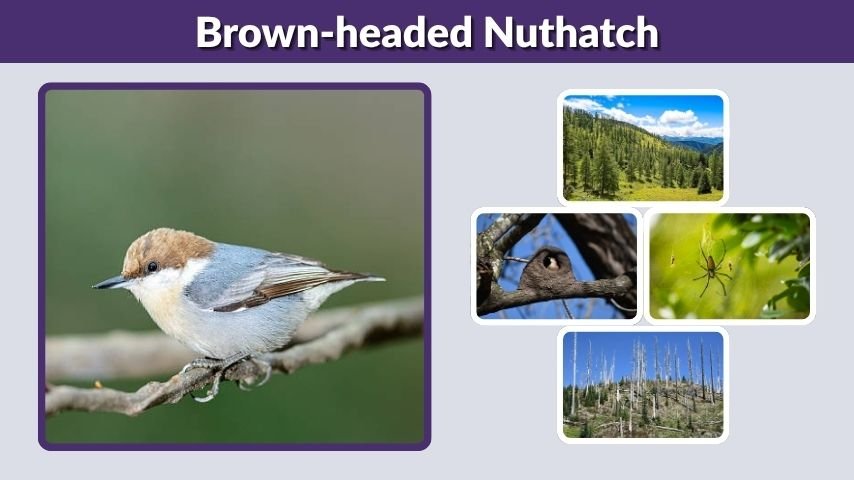
The Brown-headed Nuthatch is a small, energetic bird best known for its squeaky call, brown cap, short tail, and strong connection to pine forests. Though … Read More
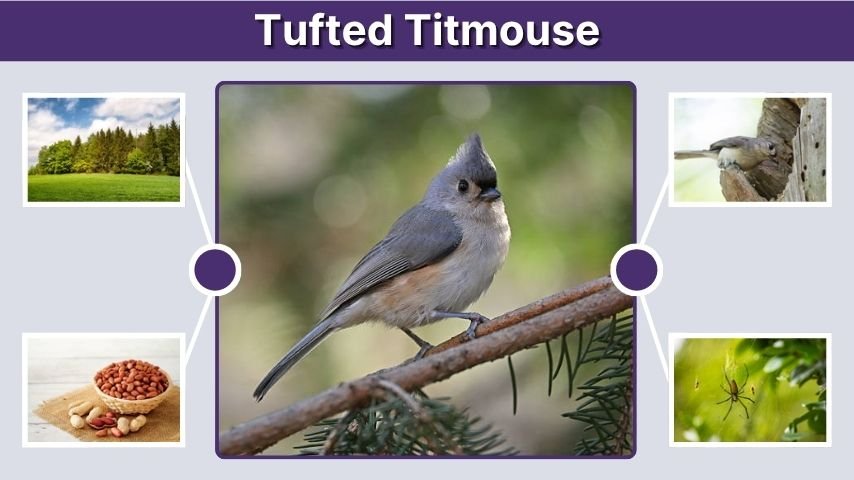
The Tufted Titmouse is a small gray songbird with a bold personality, a pointed crest, large dark eyes, and a loud, clear voice. It is … Read More
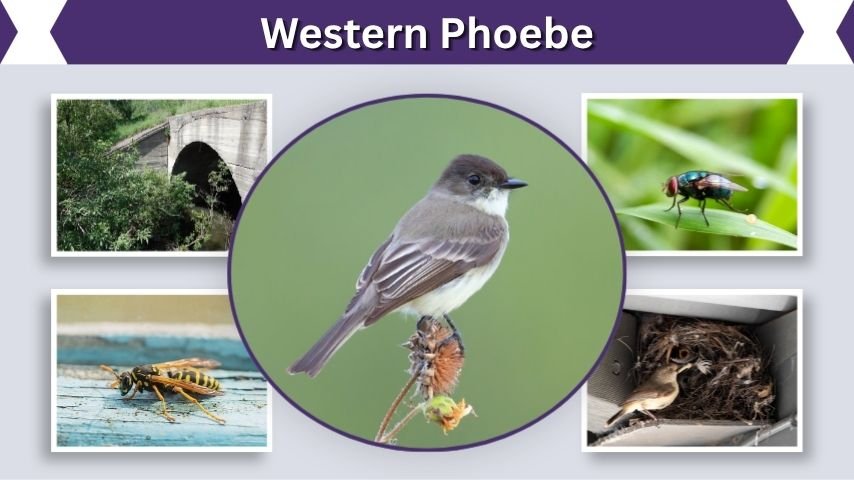
The Western Phoebe is a small, active flycatcher known for its tail-wagging behavior, sharp calls, and habit of perching in open areas while watching for … Read More
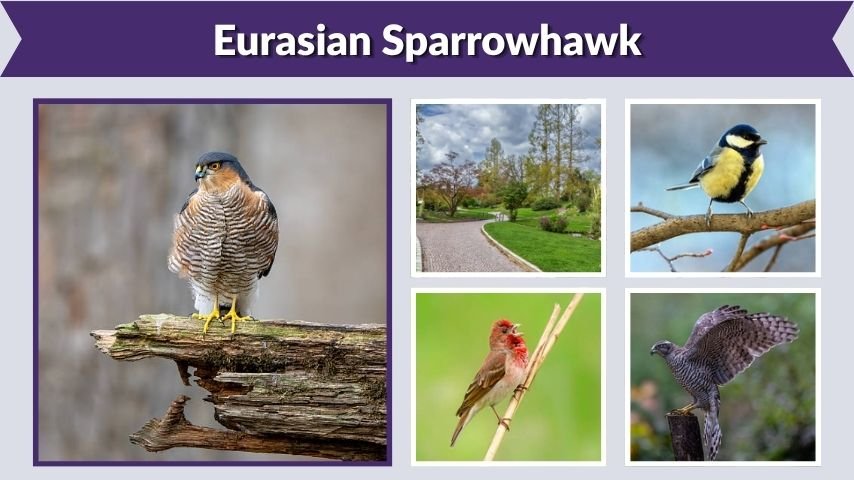
The Eurasian sparrowhawk is a small but powerful bird of prey known for fast flight, sharp talons, and sudden attacks on small birds. Its scientific … Read More
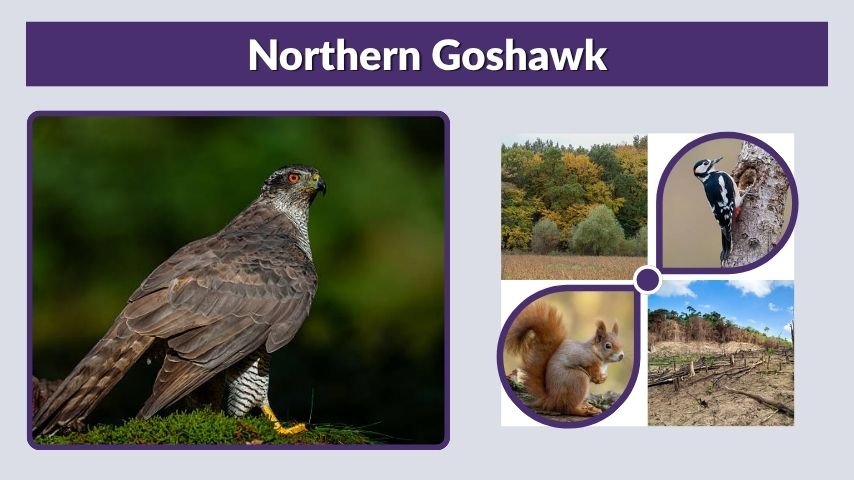
The northern goshawk is a powerful forest hawk known for speed, strength, red eyes, and bold hunting behavior. It is one of the largest accipiters, … Read More
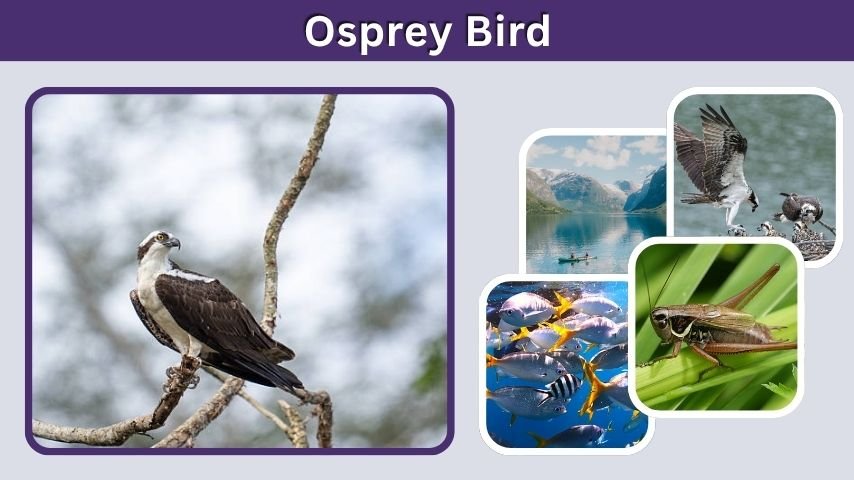
The osprey bird is one of the most skilled fish hunters in the bird world. Often called the fish hawk or sea hawk, this powerful … Read More