
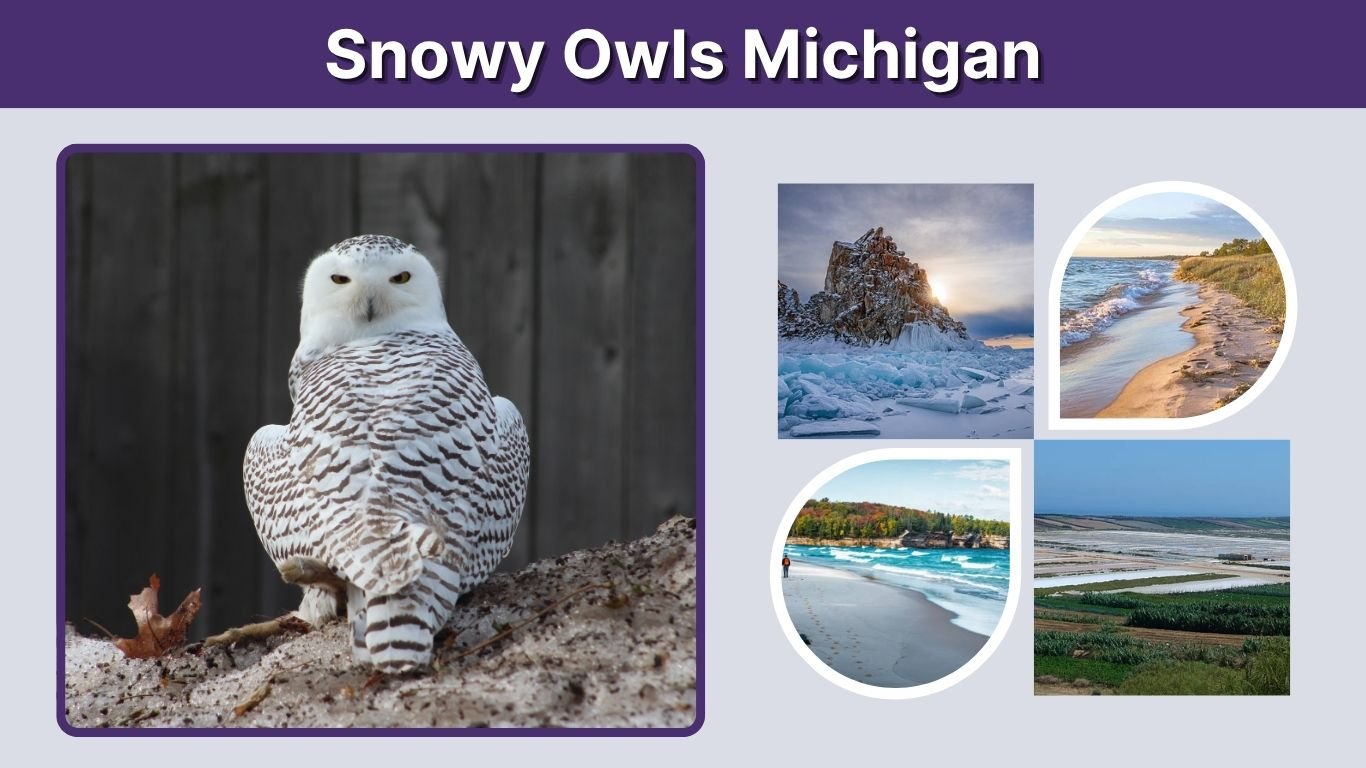
Snowy Owls Michigan: Sightings, Locations and Facts
Snowy Owls visit Michigan mainly during winter, when some birds migrate south from their Arctic breeding grounds. They are most likely to appear in wide-open … Read More
Snowy Owls visit Michigan mainly during winter, when some birds migrate south from their Arctic breeding grounds. They are most likely to appear in wide-open … Read More
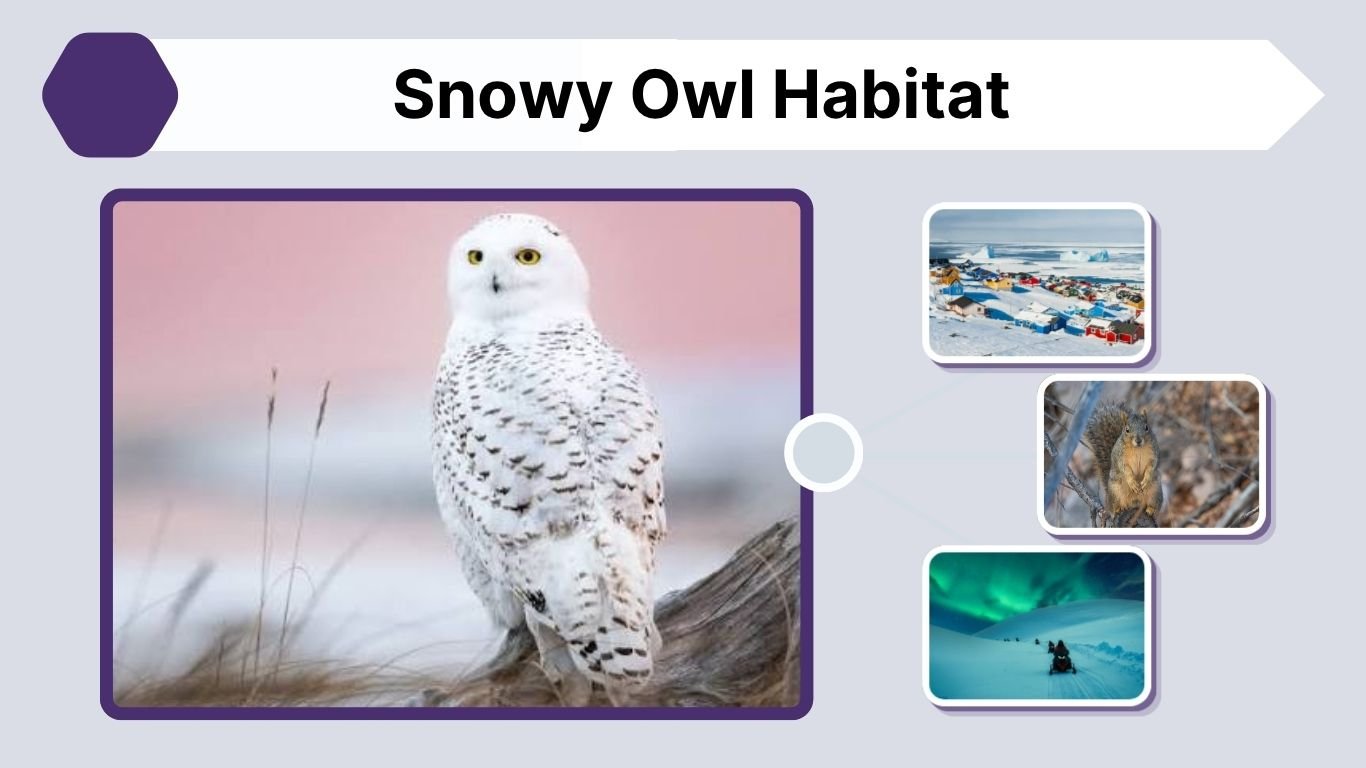
The natural habitat of a snowy owl consists mainly of wide, treeless landscapes across the Arctic. During the breeding season, snowy owls live on open … Read More
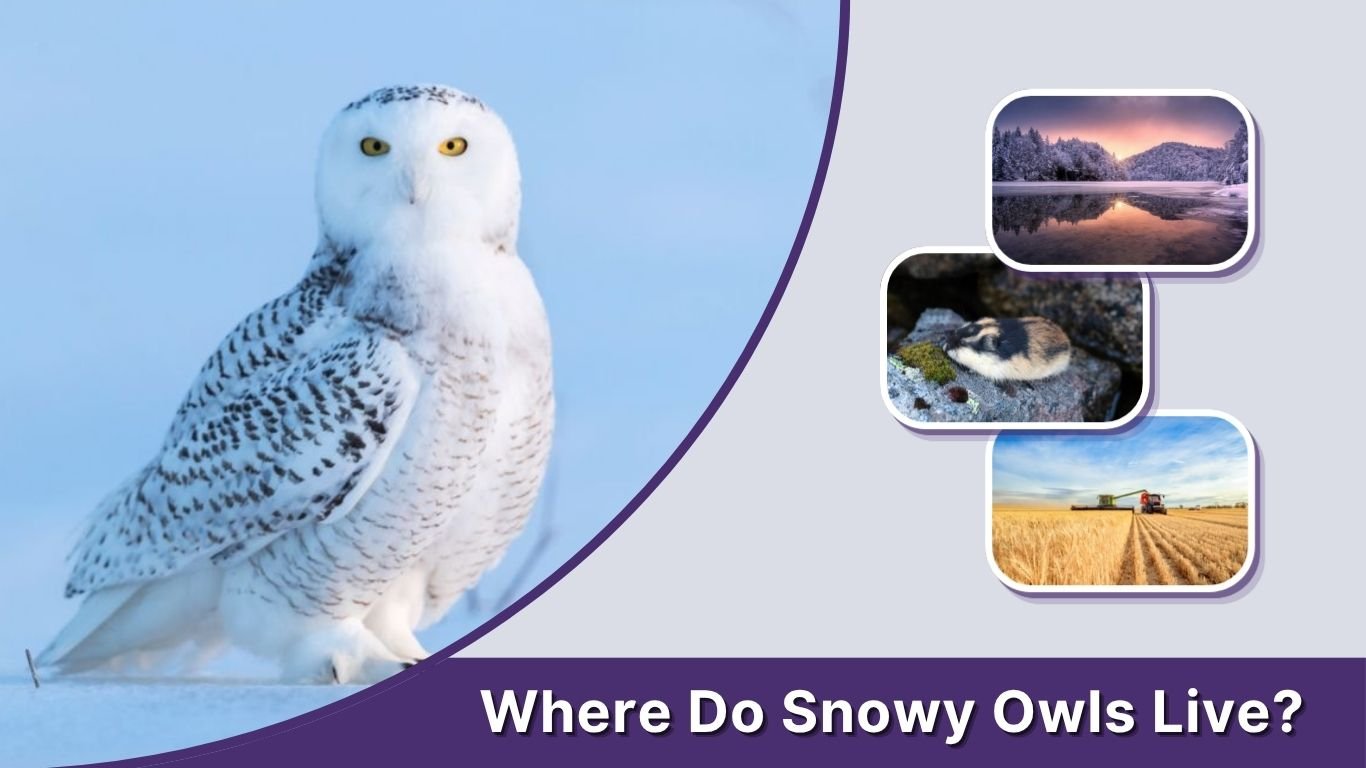
Snowy owls live mainly in the Arctic regions of North America, Europe, and Asia. During summer, most breed on remote, treeless tundra in northern Canada, … Read More
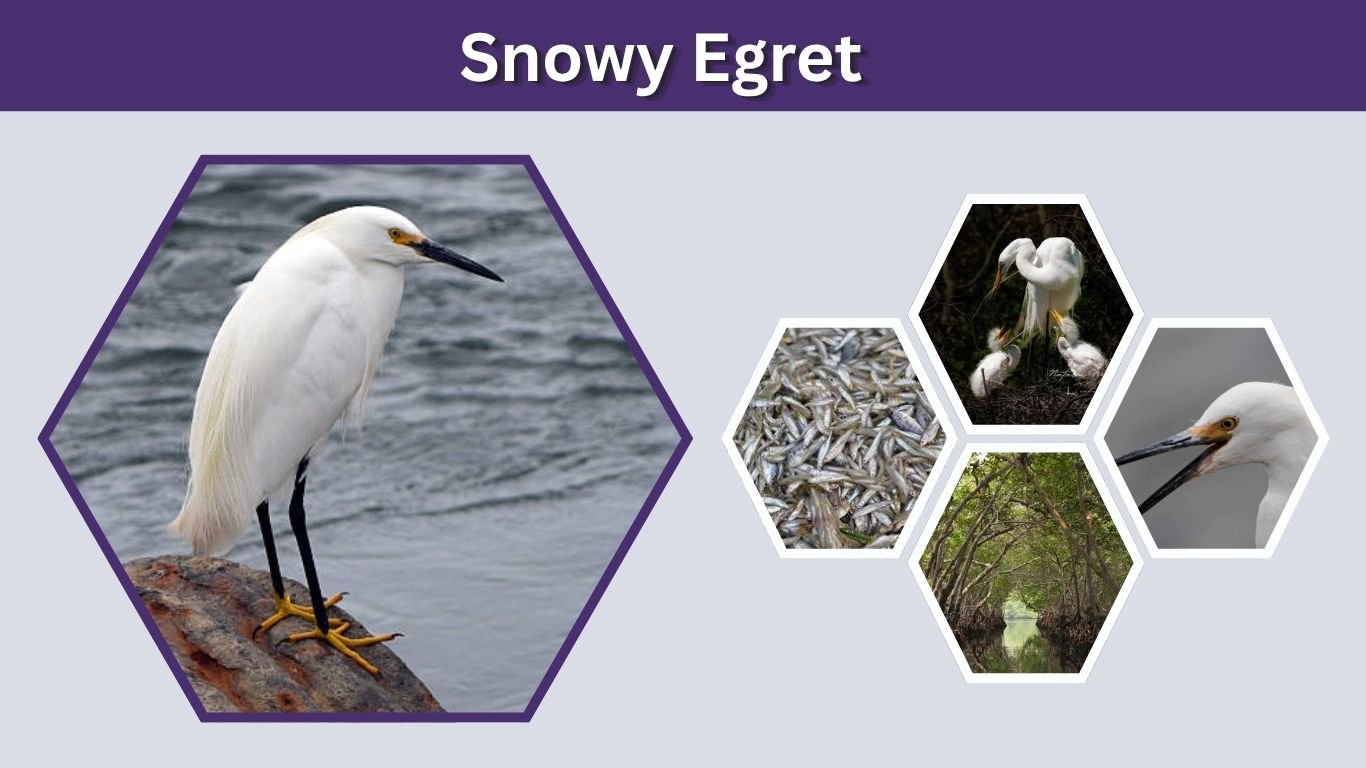
The Snowy Egret is a graceful white wading bird recognized by its thin black bill, black legs, and bright yellow feet. Scientifically named Egretta thula, … Read More

The Great Egret is a striking white wading bird found around wetlands across much of the world. Recognized by its long neck, yellow bill, black … Read More

The cattle egret is a small, stocky white heron commonly seen walking through pastures beside cows, buffalo, horses, and other large animals. Instead of relying … Read More

The Black Egret is a striking African waterbird known for one of the most remarkable fishing techniques in the bird world. While hunting, it spreads … Read More

The Reddish Egret is a graceful coastal heron famous for its energetic and almost comical hunting style. Instead of standing still and waiting for prey, … Read More

The Eastern Reef Egret is a medium-sized coastal heron recognized for its unusual dark and white color forms. It spends most of its life around … Read More
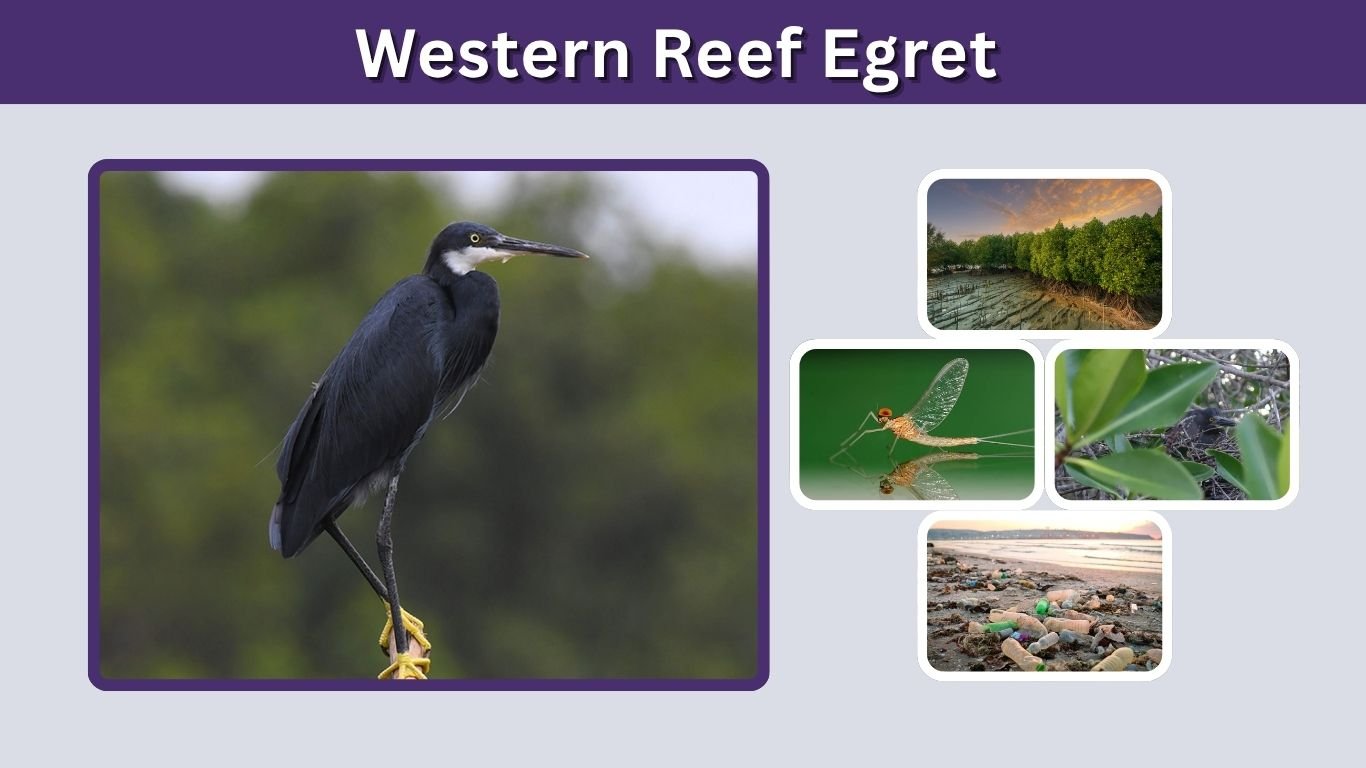
The Western Reef Egret is a medium-sized coastal heron known for appearing in dramatically different colors. Some individuals have dark slate-gray plumage, while others are … Read More