
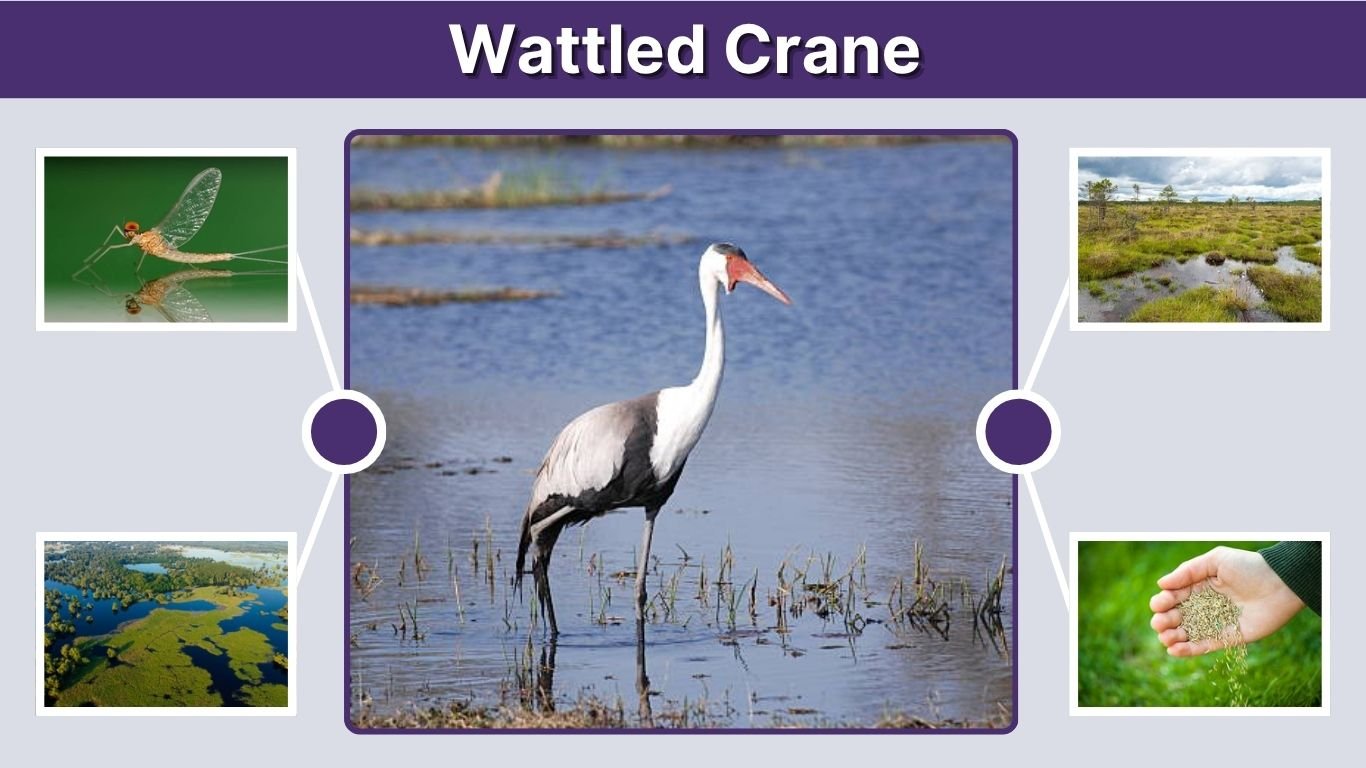
Wattled Crane: Habitat, Diet, Size and Conservation
The Wattled Crane (Bugeranus carunculatus, also classified as Grus carunculatus by some authorities) is Africa’s largest crane and one of the continent’s most wetland-dependent birds. … Read More
The Wattled Crane (Bugeranus carunculatus, also classified as Grus carunculatus by some authorities) is Africa’s largest crane and one of the continent’s most wetland-dependent birds. … Read More
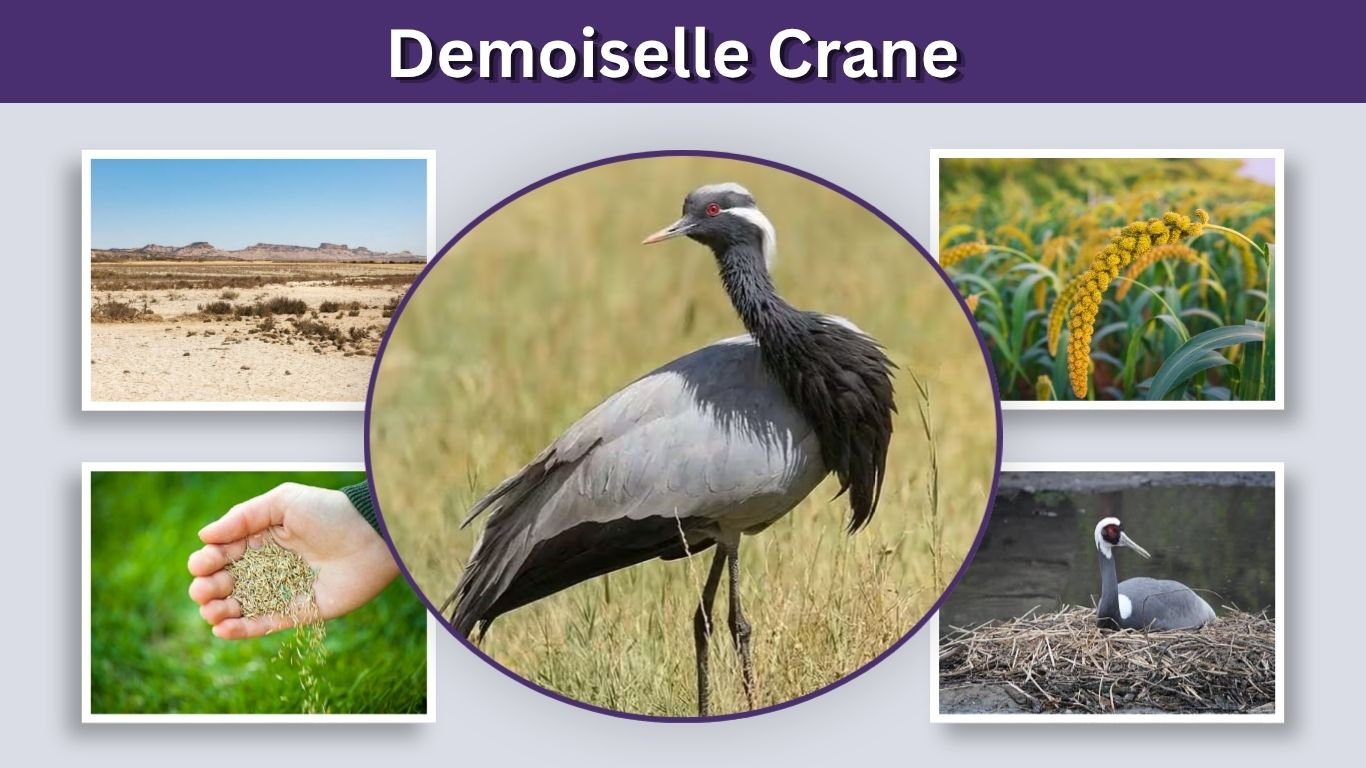
The Demoiselle Crane (Anthropoides virgo) is a graceful migratory bird recognized by its blue-grey body, black neck, red-orange eyes, and long white feathers extending behind … Read More
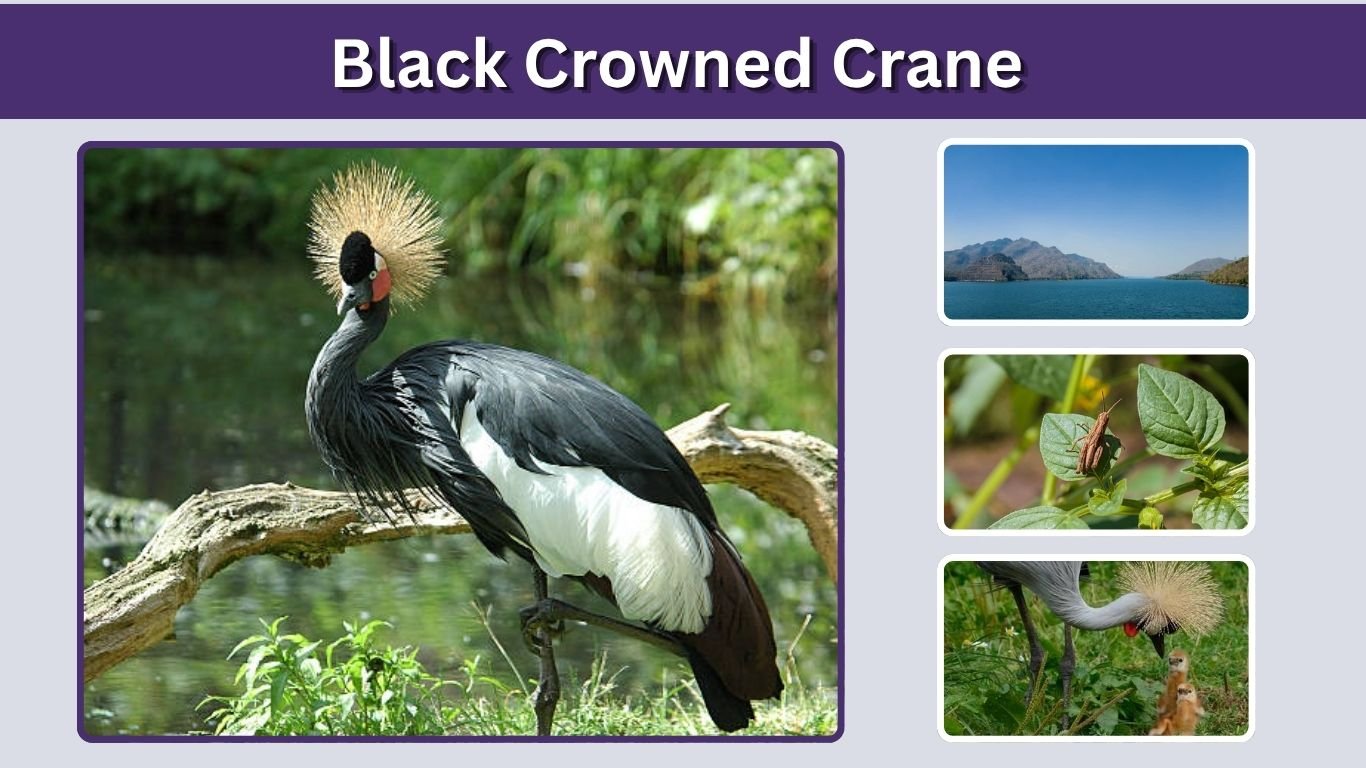
The Black Crowned Crane (Balearica pavonina) is a striking African bird recognized by its dark body, golden feather crown, white wings, colorful cheeks, and red … Read More
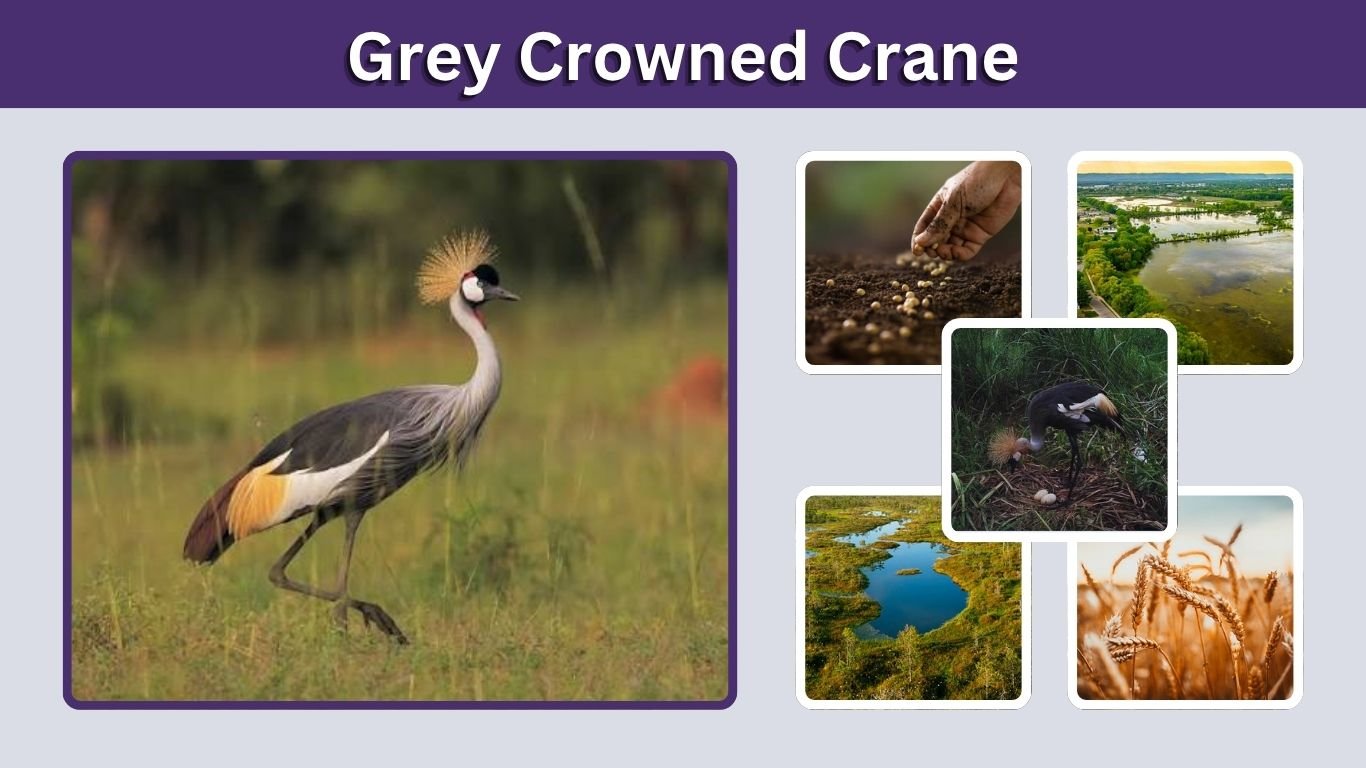
The Grey Crowned Crane (Balearica regulorum) is one of Africa’s most distinctive birds. It has a pearl-grey body, white wings, a red throat pouch, and … Read More
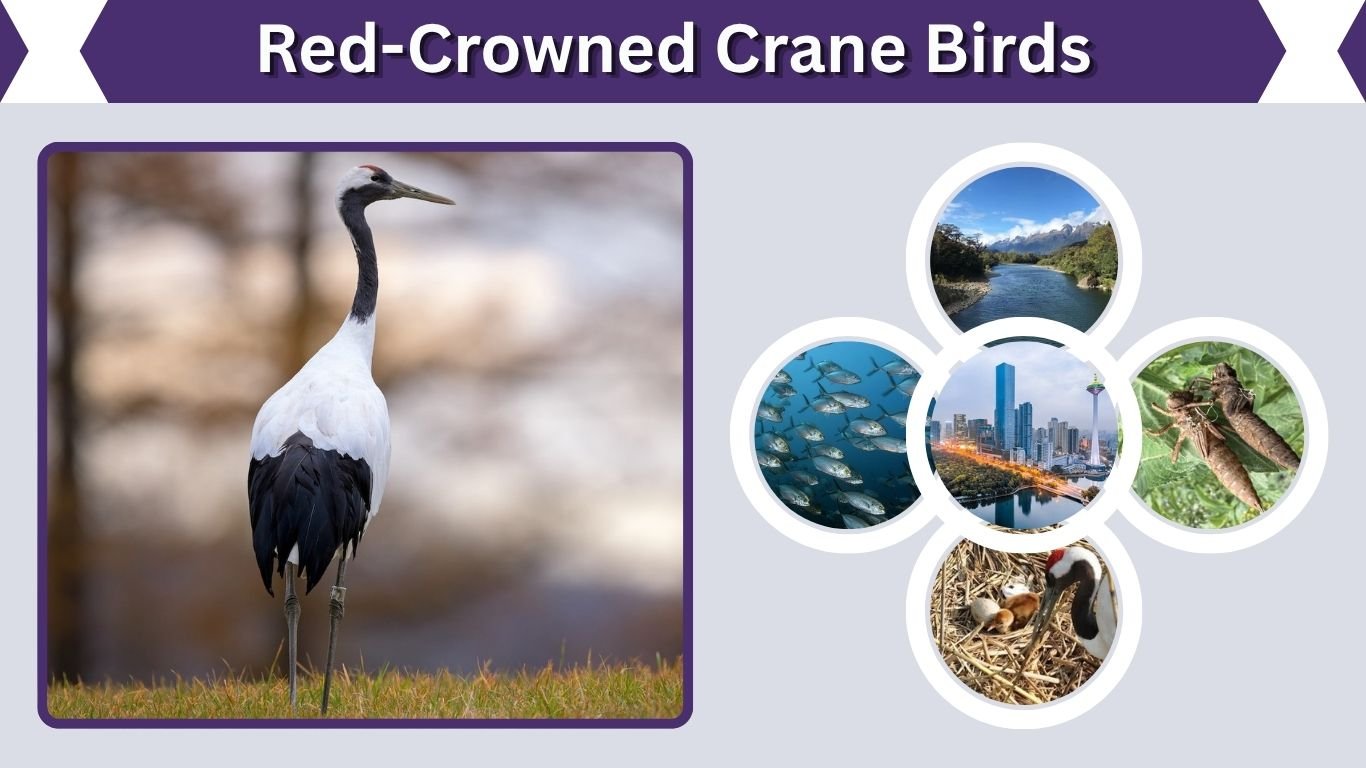
The red-crowned crane is one of the rarest and most recognizable cranes in the world. Adults have a snowy-white body, a black neck and secondary … Read More
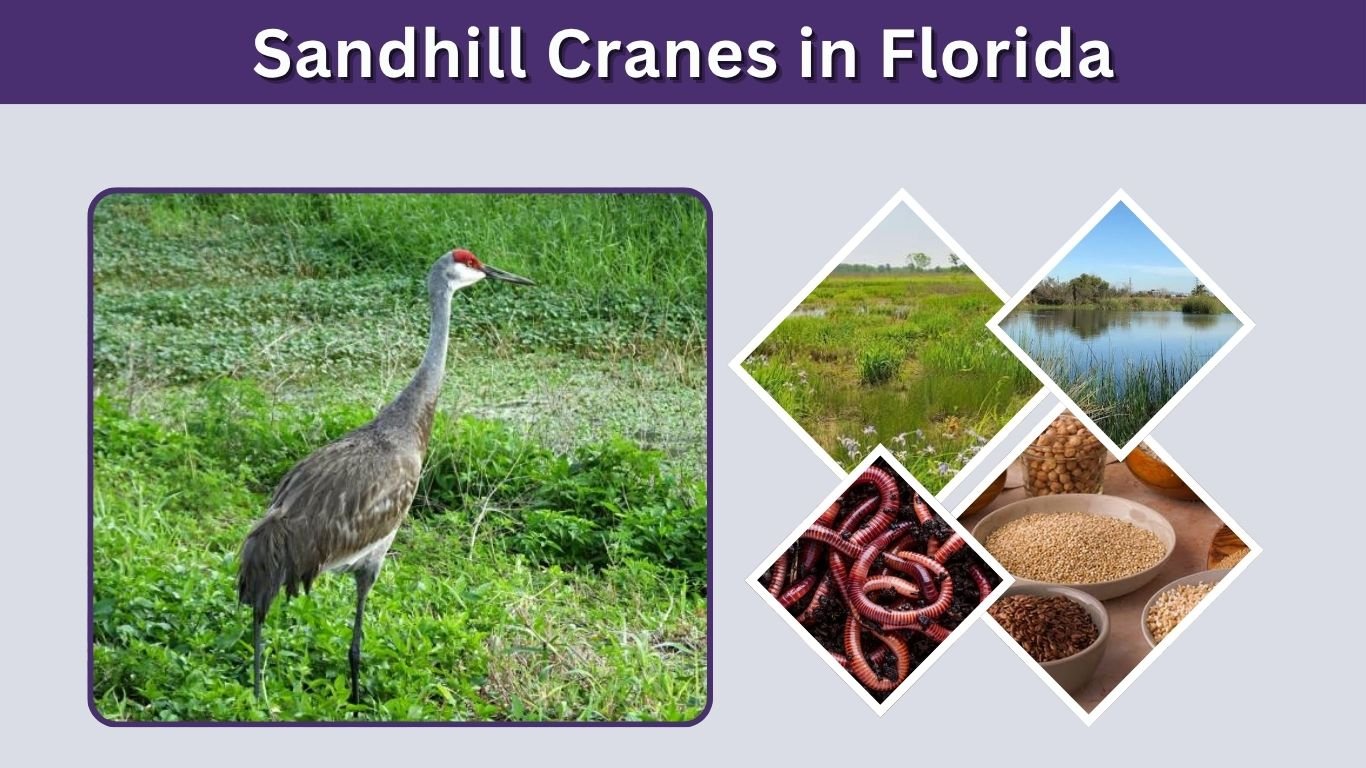
Sandhill cranes are among Florida’s most recognizable large birds. Their tall bodies, long legs, gray plumage, red crowns, and loud rattling calls make them difficult … Read More
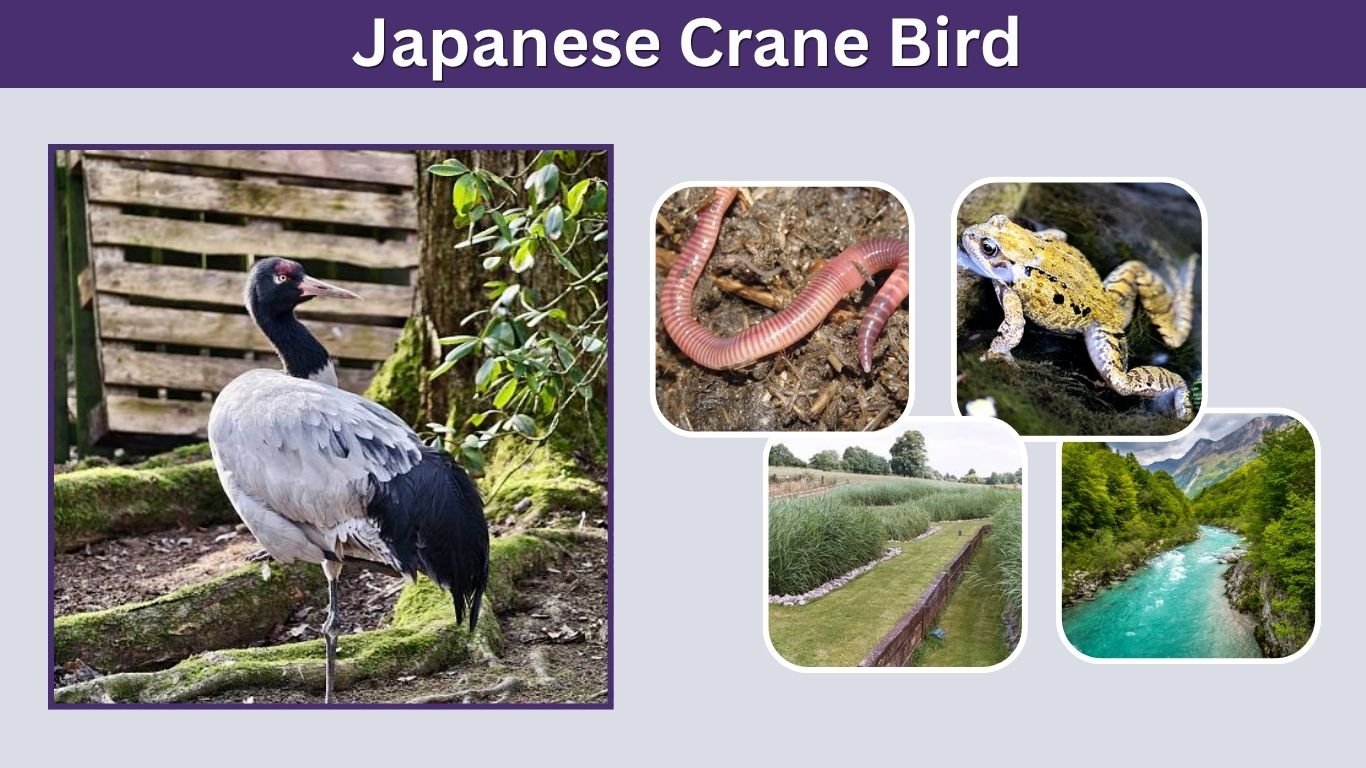
The Japanese crane bird, more properly known as the Red-crowned Crane, is a large East Asian bird admired for its snow-white plumage, black neck, and … Read More
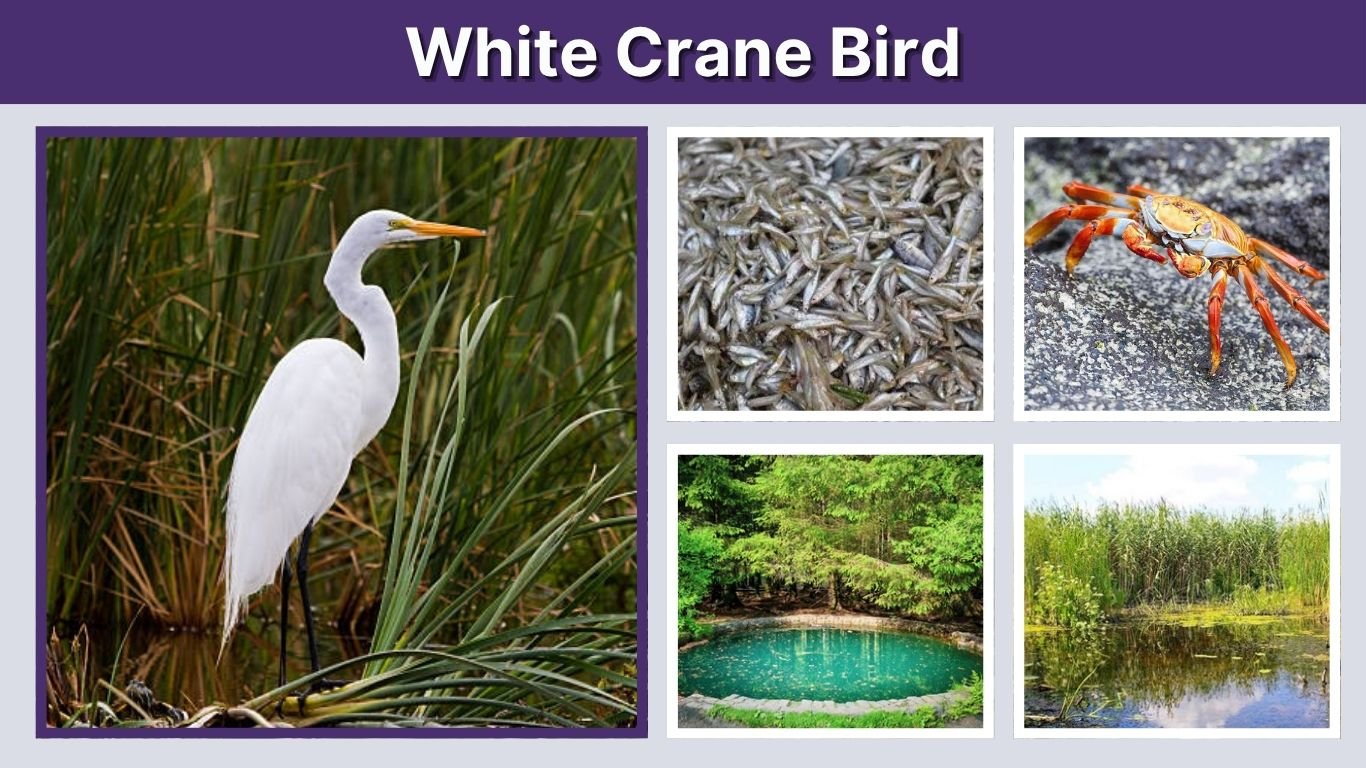
A tall white bird walking through a marsh is often called a white crane bird, but it may actually be an egret, heron, ibis, or … Read More
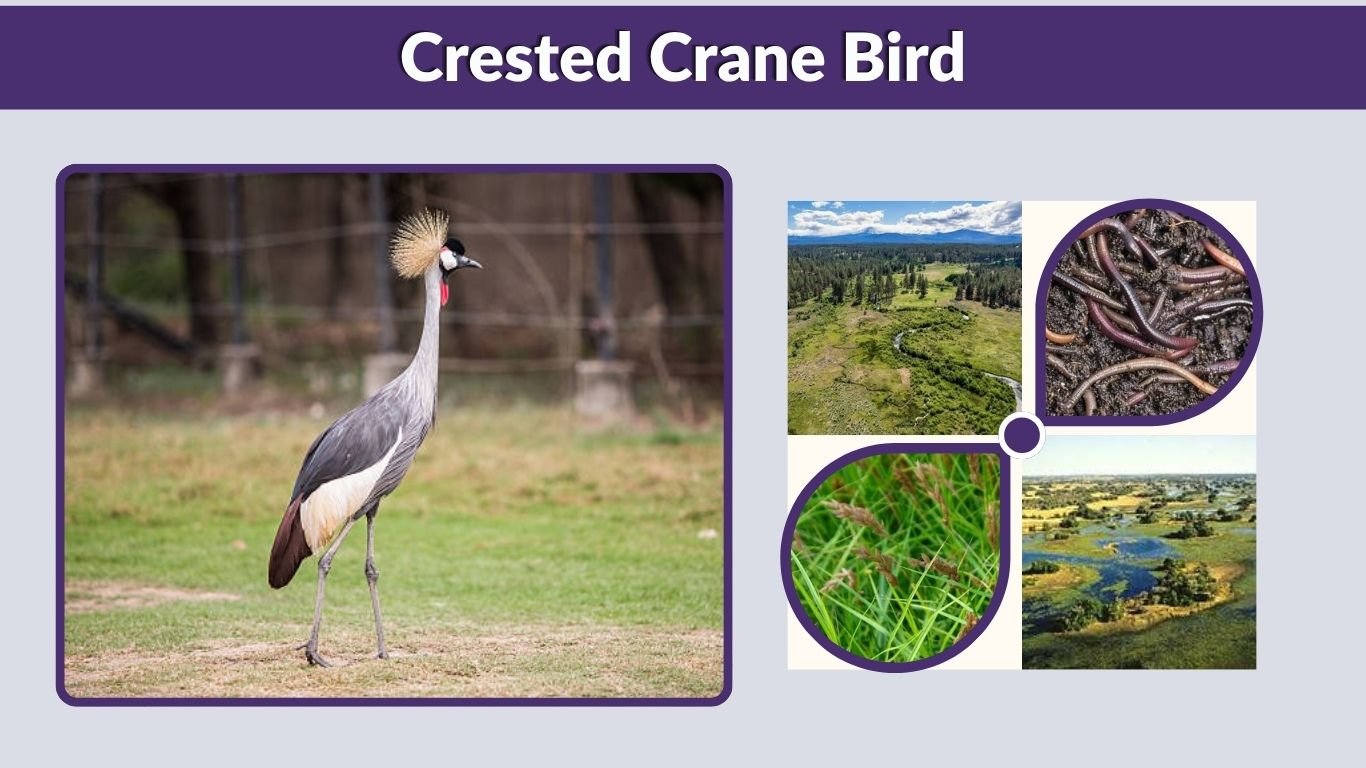
The crested crane bird, more accurately called the Grey Crowned Crane, is one of Africa’s most recognizable birds. Its golden crown, red throat pouch, white … Read More
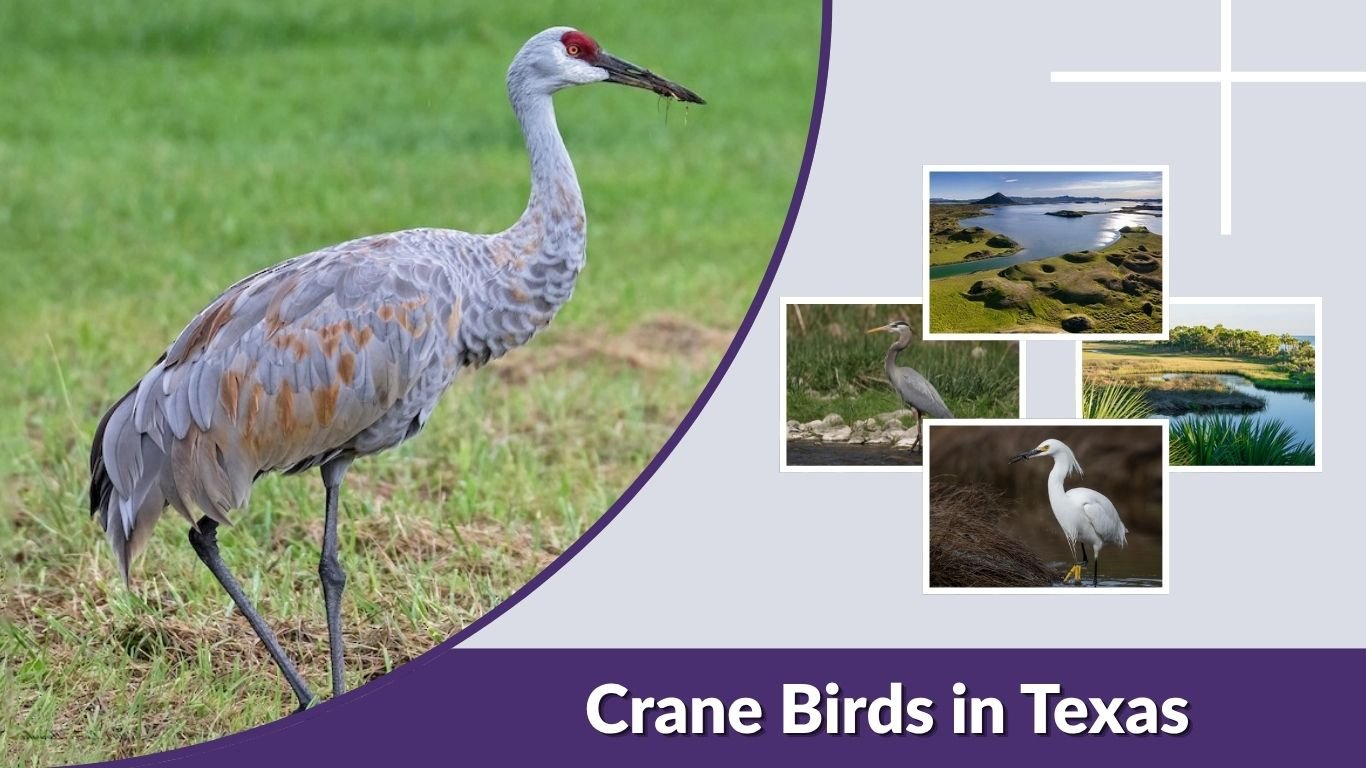
Texas provides important wintering and migration habitat for thousands of crane birds. These tall, long-legged birds gather in wetlands, grasslands, agricultural fields, and coastal marshes, … Read More